Best Areas to Invest in Dubai for High Returns in 2026

Written by
Driven | Forbes Global Properties
Updated: Sep 24, 2026, 09:10 AM

Driven | Forbes Global Properties
Dubai recorded AED 682.49 billion in property transactions in 2025, up 30.4% year-on-year, according to DLD data. That number shows one clear shift. Buyers are no longer chasing quick flips only. More investors now look at rental income, end-user demand, infrastructure plans, and long-term resale strength before they buy.
For 2026, the decision has become more area-specific. The Metro Blue Line, Golden Visa property rules, Dubai’s population crossing 4 million, and a 24% rise in end-user buyers are changing where demand is moving. Some communities suit rental yields. Some work better for capital growth. Some need patience but may reward investors later.
This guide breaks down the best areas to invest in Dubai based on budget, risk level, rental income, and future value. It also shows what buyers should check before paying the booking amount.
Quick Answer: Best Areas to Invest in Dubai in 2026
For high rental income in 2026, JVC, Dubai Silicon Oasis, Dubai South, and Al Furjan are strong options because prices are still accessible and tenant demand is steady. For capital growth, Downtown Dubai, Dubai Creek Harbor, MBR City, and Palm Jebel Ali suit buyers with a longer holding plan. Investors who want balanced returns can consider Dubai Marina, Business Bay, and Dubai Hills Estate due to their rental demand, resale activity, and established community value.
The table below gives a simple view of the best areas to invest in Dubai based on price level, rental yield, buyer goal, and risk profile. It helps investors compare income-focused areas with premium locations that may offer stronger long-term resale value.
Area | Average Price Level | Rental Yield | Best For | Risk Level |
High | 5% to 7% | Short-term rental income | Medium | |
Affordable | 6% to 8% | Budget investors | Low | |
Premium | 4% to 6% | Capital appreciation | Medium | |
Mid to high | 5% to 7% | Professionals and long-term rent | Medium | |
Mid to premium | 5% to 6% | Family investors | Low | |
Affordable | 7% to 8% | Long-term growth | Medium | |
Mid to premium | 5% to 6% | Waterfront appreciation | Medium | |
Mid-range | 7% to 8% | Family rentals | Low to medium |
This comparison should be used as a first filter, not a final buying decision. The final return still depends on tower quality, service charges, handover status, unit view, floor plan, and resale demand in that exact building or sub-community.
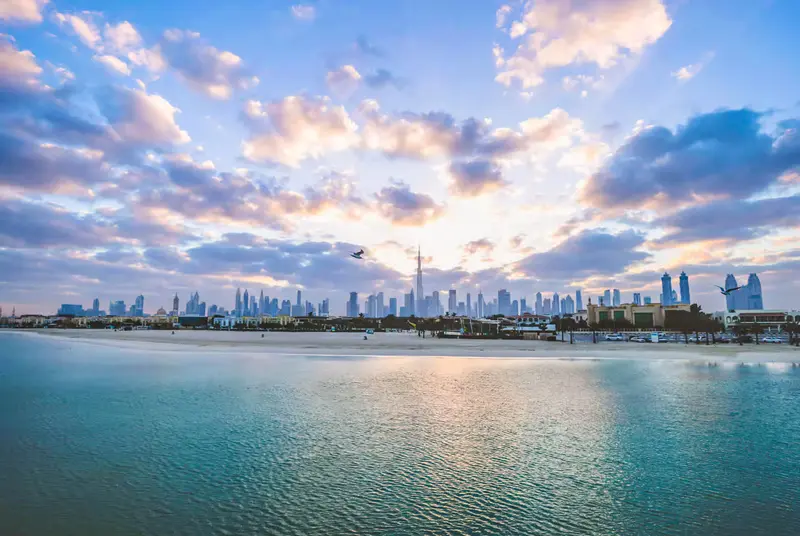
Dubai remains one of the few major global property markets where investors can earn rental income without annual property tax. A buyer who earns AED 100,000 in yearly rent keeps the full rental income before service charges, maintenance, and management costs. In markets like London or New York, tax can reduce the final income by 30% to 40%, based on the buyer’s tax profile.
Apartment rental yields in Dubai are often placed around 6.7% to 6.9% citywide by major market reports. That compares well against mature cities where yields are often lower, such as London, near 3.5%; New York, near 2.8%; and Singapore, near 3.2%. The gap is one reason global buyers continue to compare Dubai property with overseas income assets.
Population growth also supports demand. Dubai added around 208,000 people in 2025, and the city crossed the 4 million population mark. More residents mean more pressure on rental housing, especially near offices, schools, metro routes, and lifestyle districts.
Foreign buyers also benefit from freehold ownership in approved areas. They can buy, lease, resell, gift, or pass the property through inheritance structures. The Golden Visa route adds another layer for investors who buy property worth AED 2 million or more, as it may support a renewable 10-year residency pathway.
Before choosing an area, investors should check:
At Driven Properties, we often see better investment decisions when buyers start with the exit plan first. The right property is not only about today’s price. It is about who will rent it, who will buy it later, and how much it costs each year.
Established communities give investors one major advantage: proven demand. These areas already have tenants, resale activity, road links, retail access, and strong buyer awareness. Prices can be higher, but the risk profile is often easier to read.
Downtown Dubai is suited to luxury property investors, high-net-worth buyers, and those who want landmark value. Prices average around AED 1,535 per sq. ft., with yields often moving between 6% and 8% depending on tower, view, layout, and furnishing.
Burj Khalifa, Dubai Mall, Opera District, and branded residences keep buyer demand active. The area works well for capital appreciation, but investors must study service charges because premium towers can reduce net yield.
Dubai Marina remains one of Dubai’s strongest rental locations because of waterfront living, metro access, tram routes, restaurants, and tourist demand. Entry prices can start from around AED 500K+, while yields may range from 6.5% to 8.5% in selected buildings.
It suits investors who want rental activity, short-term leasing options, and strong tenant movement from young professionals, expats, and visitors.
Palm Jumeirah is more lifestyle-led than yield-led. Entry prices can start around AED 1.5M+, while some premium assets reach around AED 2,997 per sq. ft. The area attracts branded residence buyers, villa investors, and long-term holders.
Returns can be lower than in affordable districts, but Palm Jumeirah has strong global recognition. That gives it resale support in luxury cycles.
Business Bay works for investors who want a central district without paying full Downtown pricing. Entry prices can begin around AED 430K+, with yields often between 4.5% and 6%.
The area has a mix of residential towers, offices, hotels, and retail spaces. It attracts working professionals who want access to DIFC, Downtown, Sheikh Zayed Road, and Dubai Canal.
JVC remains one of the most active buy-to-let communities in Dubai. Entry prices can start from around AED 285K+, and yields may reach 7% to 9% in selected buildings.
It attracts first-time investors, young tenants, and small families. The main point is building selection. A good project with parking, amenities, and lower service charges can perform better than a cheaper unit in a weak building.
Dubai Hills Estate suits family investors and buyers looking for a planned community with parks, schools, retail, and a golf course. Entry prices can start from around AED 950K+, with yields often around 6% to 8% in selected apartment projects.
Projects such as Mulberry, Golfville, and Park Heights have strong tenant appeal because the community offers lifestyle value without moving too far from central Dubai.
Area | Entry Price | Avg Yield | Property Types | Best For | Notable Projects |
Downtown Dubai | AED 1M+ | 6% to 8% | Apartments, branded residences | Luxury investors | Opera District, Burj Khalifa District |
Dubai Marina | AED 500K+ | 6.5% to 8.5% | Apartments, penthouses | Rental income | Marina Gate, JBR, nearby towers |
Palm Jumeirah | AED 1.5M+ | 5% to 6% | Apartments, villas, branded homes | Luxury holding | Atlantis The Royal, branded beachfront units |
Business Bay | AED 430K+ | 4.5% to 6% | Apartments, hotel units | Professionals | Canal-facing towers |
JVC | AED 285K+ | 7% to 9% | Studios, 1-bed, townhouses | Budget investors | New smart buildings and family clusters |
Dubai Hills Estate | AED 950K+ | 6% to 8% | Apartments, villas, townhouses | Family investors | Mulberry, Golfville, Park Heights |
Use this comparison to match the area with your investment goal. Downtown Dubai and Palm Jumeirah suit premium holding, while JVC and Dubai Marina work better for income-led buyers. Dubai Hills Estate stands between both, with family demand and long-term resale strength.
Emerging areas are where many investors look before prices reach peak levels. These communities may need longer holding periods, but they can offer lower entry prices, stronger future demand, and better appreciation if infrastructure arrives on time.
Dubai South is linked to the Al Maktoum International Airport expansion and the wider growth of the southern corridor. It has some of the lowest entry prices among future-focused areas. This area suits first-time investors, budget-conscious buyers, and long-horizon investors.
Dubai Creek Harbor is a waterfront master community by Emaar with strong capital growth potential. It benefits from downtown proximity, lifestyle planning, and future landmark appeal. Investors here often focus more on appreciation than on high immediate yield.
MBR City and Meydan attract buyers looking for modern villas, low-density luxury, green spaces, international schools, and direct downtown access. These areas suit premium families and investors who want long-term resale value.
Arjan is moving from an affordable zone into a stronger growth corridor. Prices remain more accessible than in many central areas, and rental demand is improving as retail, road access, and nearby communities develop.
Al Furjan has become a strong family rental area. It benefits from metro access, schools, retail centers, and villa and townhouse stock. Yields can reach 7% to 8% in selected properties.
Palm Jebel Ali is a patient investor’s market. It expands the waterfront concept of Palm Jumeirah and targets ultra-premium buyers. The entry point is higher, and the holding period may be longer, but capital appreciation can be strong if the master plan develops as planned.
Emerging Area | Entry Price Range | Key Catalyst | Risk Level | Best For |
Dubai South | Affordable | Al Maktoum Airport expansion | Medium | Long-term growth |
Dubai Creek Harbor | Mid to premium | Waterfront Emaar masterplan | Medium | Capital appreciation |
MBR City / Meydan | Premium | Luxury villas and Downtown access | Medium | Family buyers |
Arjan | Affordable to mid-range | Better roads and retail growth | Medium | Yield and growth mix |
Al Furjan | Mid-range | Metro access and family demand | Low to medium | Long-term rentals |
Palm Jebel Ali | Premium | Waterfront expansion | Medium to high | Patient luxury investors |
These emerging areas suit buyers who can wait for infrastructure, handovers, and community demand to mature. Dubai South, Arjan, and Al Furjan may work better for yield-focused investors, while Dubai Creek Harbor, MBR City, Meydan, and Palm Jebel Ali are stronger for long-term capital growth.
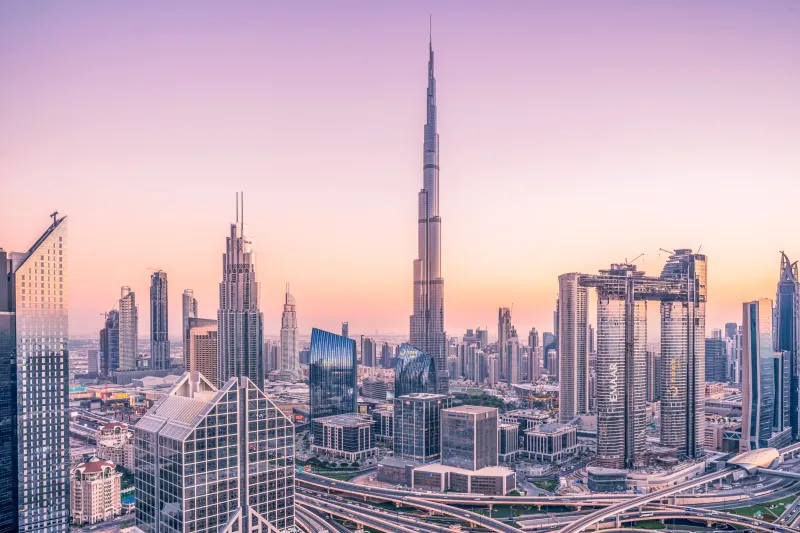
Many investors calculate the property price and forget the transaction costs. This creates a wrong picture of return. In Dubai, a buyer should usually budget 7% to 8% above the purchase price for fees, registration, agency commission, and related charges.
For example, on an AED 2 million property, the DLD transfer fee alone is AED 80,000, because it is charged at 4% of the property value. Agency commission is often 2%, which adds another AED 40,000. Smaller charges may look minor, but they still affect the total cash needed at transfer.
Service charges also affect the final return. A building may show a high gross yield, but if service charges are high, the net yield falls. Luxury buildings, waterfront towers, and hotel-style residences may carry heavier annual charges.
Here is a simple net yield example. A property bought for AED 900,000 earns AED 72,000 in gross annual rent. On paper, that is an 8% gross yield. After service charges, management fees, maintenance, and vacancy allowance, the net income may fall closer to AED 55,000 to AED 60,000. That changes the real return.
At Driven Properties, we guide buyers to check the net yield before they reserve a unit. A high-rent property is not always a high-return property if the annual cost base is heavy.
Fee Type | Typical Amount | When It Applies |
DLD transfer fee | 4% of property value | At purchase |
Agency commission | 2% of property value | At purchase |
Registration/admin fee | Around AED 580 | At transfer |
Mortgage registration fee | 0.25% of the loan amount | If using finance |
Service charges | AED 12 to AED 30+ per sq. ft. yearly | Annual |
Snagging inspection | AED 1,500 to AED 3,000 | Ready or handed-over units |
Total extra budget | Around 7% to 8% above the purchase price | Before completion |
This cost check helps investors judge the real net yield, not only the gross rent shown in listings. A property can look strong on paper, but the return becomes lower after annual service charges, maintenance, vacancy gaps, and management fees.
Invest in the right Dubai area with clear numbers, market guidance, and expert support. Speak with Driven Properties today and move forward with us.
Infrastructure is one of the strongest price drivers in Dubai. A new metro route, airport expansion, school opening, mall launch, or hospital can change rental demand in a community.
The Metro Blue Line is one of the main 2026 value drivers. It is expected to support areas linked to Creek Harbor, Dubai Silicon Oasis, and future southern corridors. Properties near metro access often become easier to rent because tenants reduce travel time and transport costs.
The Al Maktoum International Airport expansion also supports Dubai South. As aviation, logistics, and business activity increase around the airport, residential demand may follow. This is why Dubai South is viewed as a long-term appreciation area rather than only a low-price entry market.
The Dubai 2040 Urban Master Plan also supports new population centers, green areas, business districts, and mixed-use communities. Investors should follow where roads, public transport, schools, hospitals, and malls are planned. These facilities create stable tenant demand.
A property within walking distance of a metro station can command around 8% higher value in many cases. The same idea applies to schools and retail zones. Tenants prefer areas where daily life is easier, and that demand can reduce vacancy gaps.
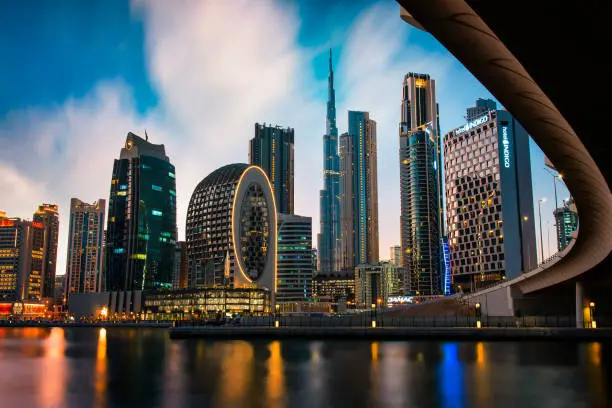
Even strong markets can give poor returns if the buyer enters without checking the details. Dubai has good regulations, but investors still need discipline before signing.
A property listed at AED 1 million does not cost AED 1 million in final cash terms. DLD fees, agency commission, registration, mortgage fees, and inspection costs can push the budget higher by 7% to 8%.
A low price is not always a value. Some low-cost buildings have weak maintenance, poor layouts, slow resale demand, or high vacancy. A better location with tenant demand can protect income better.
Buyers should check the developer’s RERA record, delivery history, escrow status, and past handover timelines. This is more important for off-plan property, where delays can affect rent plans and resale timing.
Gross yield looks simple, but it does not show the real return. Net yield should include service charges, maintenance, vacancy allowance, and management costs if the property is rented through an operator.
Some buyers expect fast appreciation and stretch their finances too far. A safer plan includes mortgage payments, service charges, vacancy months, and emergency repairs.
Before buying, ask who will buy this property later. A future buyer may be an end user, investor, expat family, or short-term rental operator. The exit plan affects layout, location, view, and project choice.
Always verify RERA credentials through the Dubai REST app. A licensed agent can access official records, correct forms, and complete regulated transaction steps. This protects the buyer from wrong pricing and weak documentation.
Dubai remains one of the strongest property markets for investors in 2026, but returns depend on choosing the right area for your goal. JVC, Dubai South, Arjan, and Al Furjan may suit buyers looking for rental income, while Downtown Dubai, Dubai Creek Harbor, MBR City, and Palm Jebel Ali fit investors focused on long-term growth.
Before buying, compare the entry price, net yield, service charges, developer record, infrastructure plans, and resale demand. A good property should match your budget today and still attract tenants or buyers in the future.
Invest in the right Dubai area with clear numbers, market guidance, and expert support. Speak with Driven Properties today and move forward with us.
JVC, Dubai Silicon Oasis, Al Furjan, Arjan, and Dubai South are strong choices for rental yield. These areas have lower entry prices and steady tenant demand, which can support better income returns.
Downtown Dubai is stronger for capital growth and premium resale value. Rental income can still be good, but service charges and high purchase prices can reduce net yield.
A buyer should usually budget 7% to 8% above the property price. This includes DLD transfer fee, agency commission, registration fees, mortgage-related fees if needed, and inspection costs.
JVC, Arjan, Dubai South, Al Furjan, and Dubai Silicon Oasis work well for first-time investors because prices are more accessible and tenant demand is active.
Yes, Dubai property can work well for long-term investors when the area, building, developer, and net yield are checked properly. The strongest results usually come from matching the property with a clear income or resale plan.
At Driven Properties, we work with buyers from the first viewing to final handover. We support area selection, project comparison, negotiation, paperwork, and post-purchase leasing advice, so the investment decision is based on numbers and demand, not only brochure pricing.
Dubai remains one of the strongest property markets for investors in 2026, but returns depend on choosing the right area for your goal. JVC, Dubai South, Arjan, and Al Furjan may suit buyers looking for rental income, while Downtown Dubai, Dubai Creek Harbour, MBR City, and Palm Jebel Ali fit investors focused on long-term growth.
Before buying, compare the entry price, net yield, service charges, developer record, infrastructure plans, and resale demand. A good property should match your budget today and still attract tenants or buyers in the future.
Invest in the right Dubai area with clear numbers, market guidance, and expert support. Speak with Driven Properties today and move forward with us.