Al Barsha, Dubai

A sprawling residential area located in west Dubai, Al Barsha is separated into four major sub-communities: Al Barsha 1, Al Barsha 2, Al Barsha 3, and Al Barsha South. Comprising everything from affordable apartments to expansive villas, Al Barsha is one of Dubai’s most diverse and in-demand neighborhoods amongst both individuals and families.
Home to numerous leisure destinations, supermarkets, parks, and schools, this all-encompassing community caters to every lifestyle, preference, and budget, making it an excellent choice for expats.
Key Features
- Separated Into Bustling Urban Areas & Tranquil Villa Communities
- Features Both Budget-Friendly Residences & Luxurious Homes
- Close Proximity to Top Schools, Recreational Areas & Hospitals
- Directly Connected to Sheikh Zayed Road (E11) for Convenient Transportation
- Residences Feature All-Encompassing Amenities & Come in A Variety of Layouts
Decoding Al Barsha’s Sub-Communities
Al Barsha is not one single type of neighborhood. It changes a bit from one pocket to another. Al Barsha 1 feels busier, with apartments, hotels, shops, and metro access. Al Barsha 2 and 3 are more villa-focused, with larger homes and quieter streets. Al Barsha South brings in newer buildings and selected freehold options, which makes it useful for buyers and renters comparing long-term value.
Al Barsha 1
Al Barsha 1 is the busiest part of the Al Barsha area. It suits renters who want apartments close to the Mall of the Emirates, Mashreq Metro Station, restaurants, clinics, and daily shops.
The buildings here range from older apartment blocks to furnished units and hotel apartments. A tenant who works in Dubai Internet City, Business Bay, or Downtown Dubai often finds this part of Al Barsha, Dubai, easier than the villa sections.
Al Barsha 2
Al Barsha 2 has a more residential feel. Large villas, wider plots, private gardens, and quieter internal roads make it popular with families who want more space without moving too far from Sheikh Zayed Road or Umm Suqeim Street.
Many homes here come with maids’ rooms, covered parking, and outdoor seating. It is a practical choice for families with school-going children.
Al Barsha 3
Al Barsha 3 is also villa-led, but the homes often feel larger and more private. Some villas include private pools, majlis rooms, driver’s rooms, landscaped gardens, and extra storage areas.
This part of Al Barsha works best for large households that need proper family space, not just extra bedrooms on paper.
Al Barsha South
Al Barsha South is newer and still developing in parts. It attracts renters looking for more affordable apartments and buyers searching for selected freehold options.
Most of Al Barsha is not freehold, but Al Barsha South and a few newer projects offer ownership routes for foreign buyers. Tenants also prefer this side for its newer buildings, easier parking, and better value compared to older central areas.
Who Would Enjoy the Area?
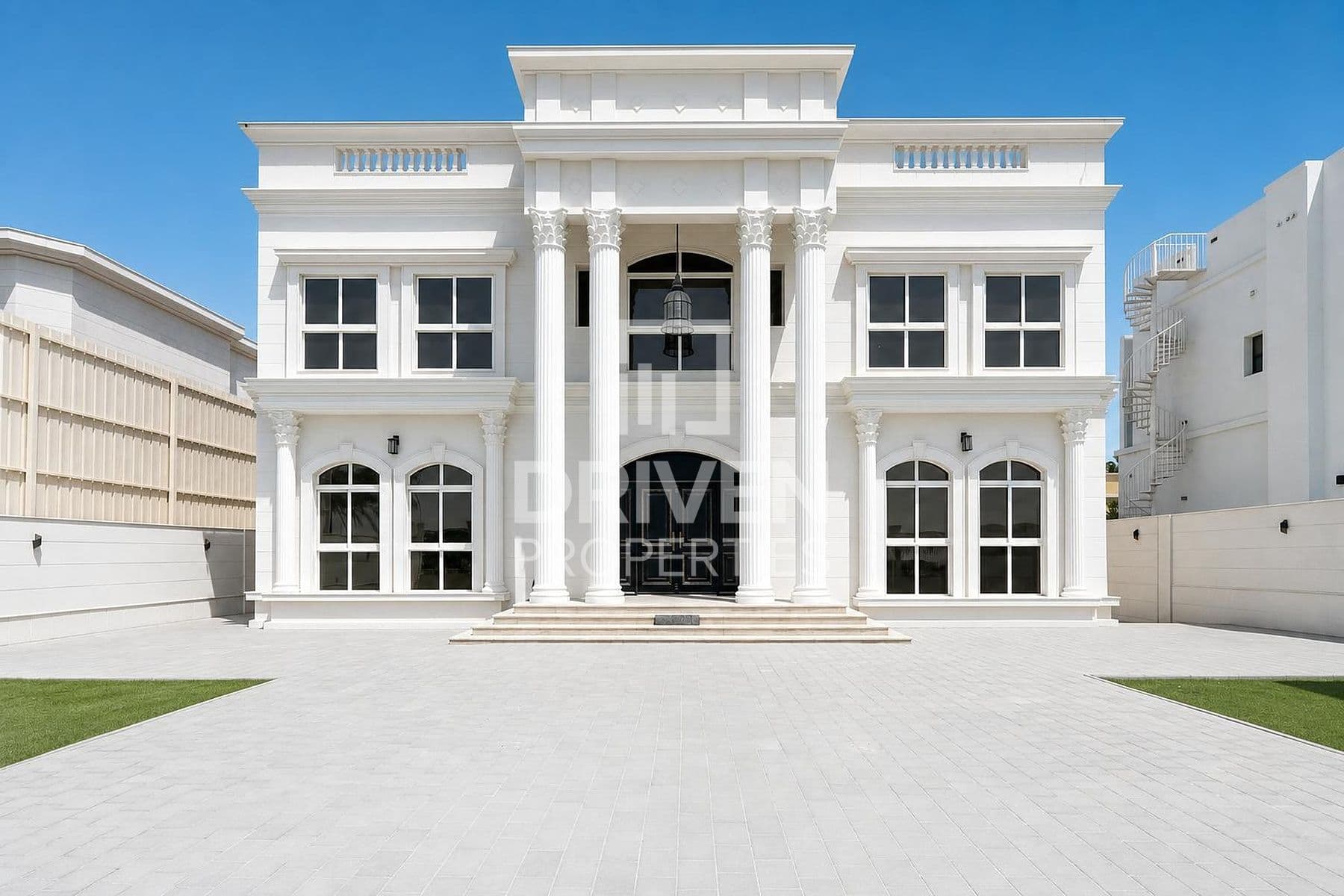
- Affluent Families: Featuring some of Dubai’s most opulent luxury residences, villas in Al Barsha boast spacious floor plans, private pools, manicured lawns, and exquisite Arabesque architecture.
- Large Households: Al Barsha is home to numerous 4, 5, and 6-bedroom villas, making them an ideal choice for large families seeking luxury villas for sale in Dubai.
- Young Professionals: Al Barsha South’s affordable apartments and central location make it a convenient option for young workers in Dubai.
- Investors: Those interested in generating lucrative rental yields can benefit from the numerous properties for sale in Dubai within Al Barsha.
Al Barsha Real Estate Market: Pricing & Freehold Opportunities
The rental market in Al Barsha, Dubai, is active because it serves different budgets and household sizes. A young tenant may choose Al Barsha 1 for the metro and the Mall of the Emirates. A family may prefer Al Barsha 2 or Al Barsha 3 for a villa with outdoor space. An investor may look toward Al Barsha South for freehold stock.
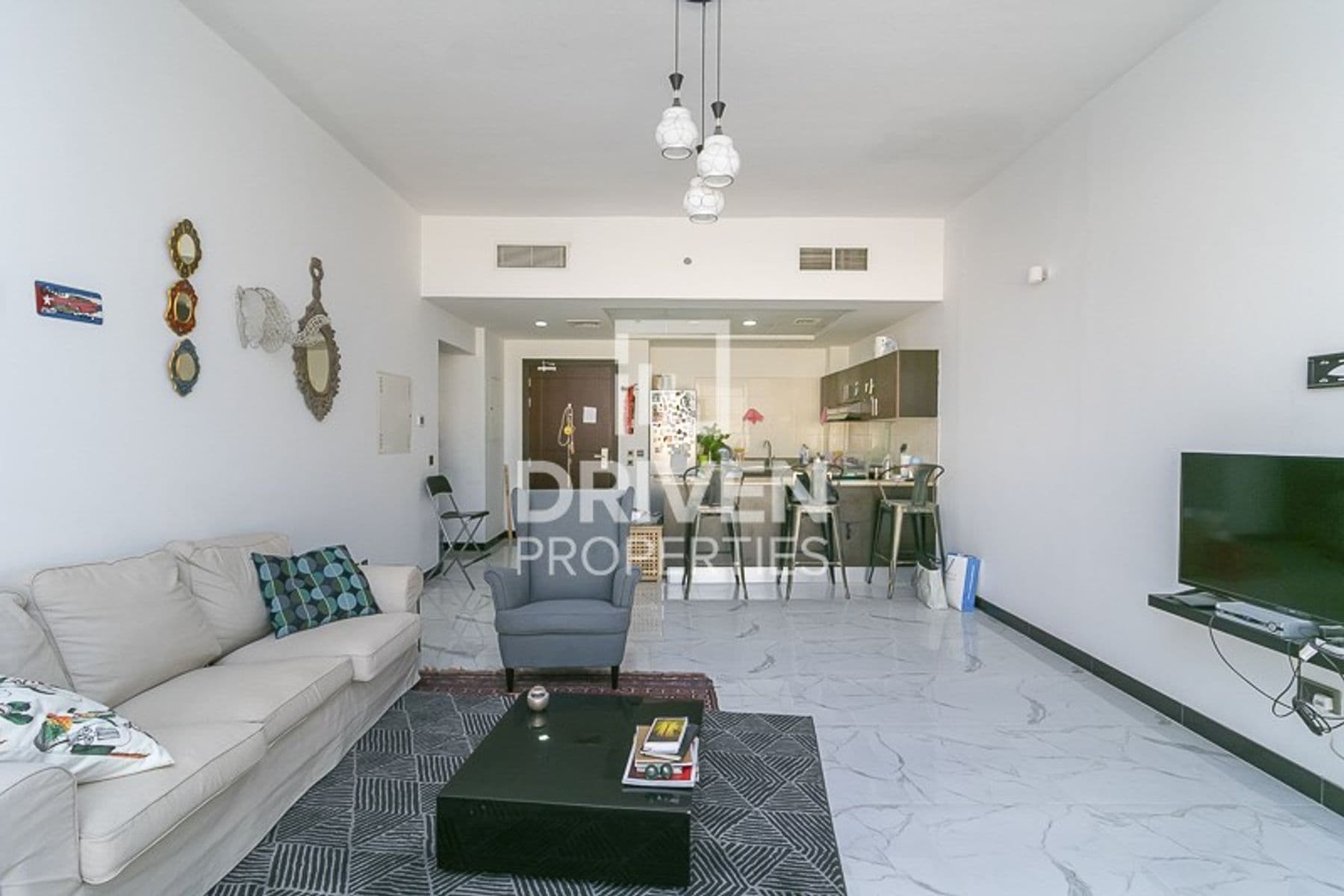
Current asking rents in Al Barsha cover a fairly wide range, mostly because the area includes older mid-rise blocks, newer serviced apartments, and family buildings with better amenities. In day-to-day listings, studios usually come in at about AED 50,000 to AED 59,000 a year.
A 1-bedroom often lands between AED 70,000 and AED 86,000. For 2-bedroom apartments, the usual bracket is around AED 95,000 to AED 145,000, while 3-bedroom units can reach AED 135,000 or more when the building is newer or close to the Mall of the Emirates.
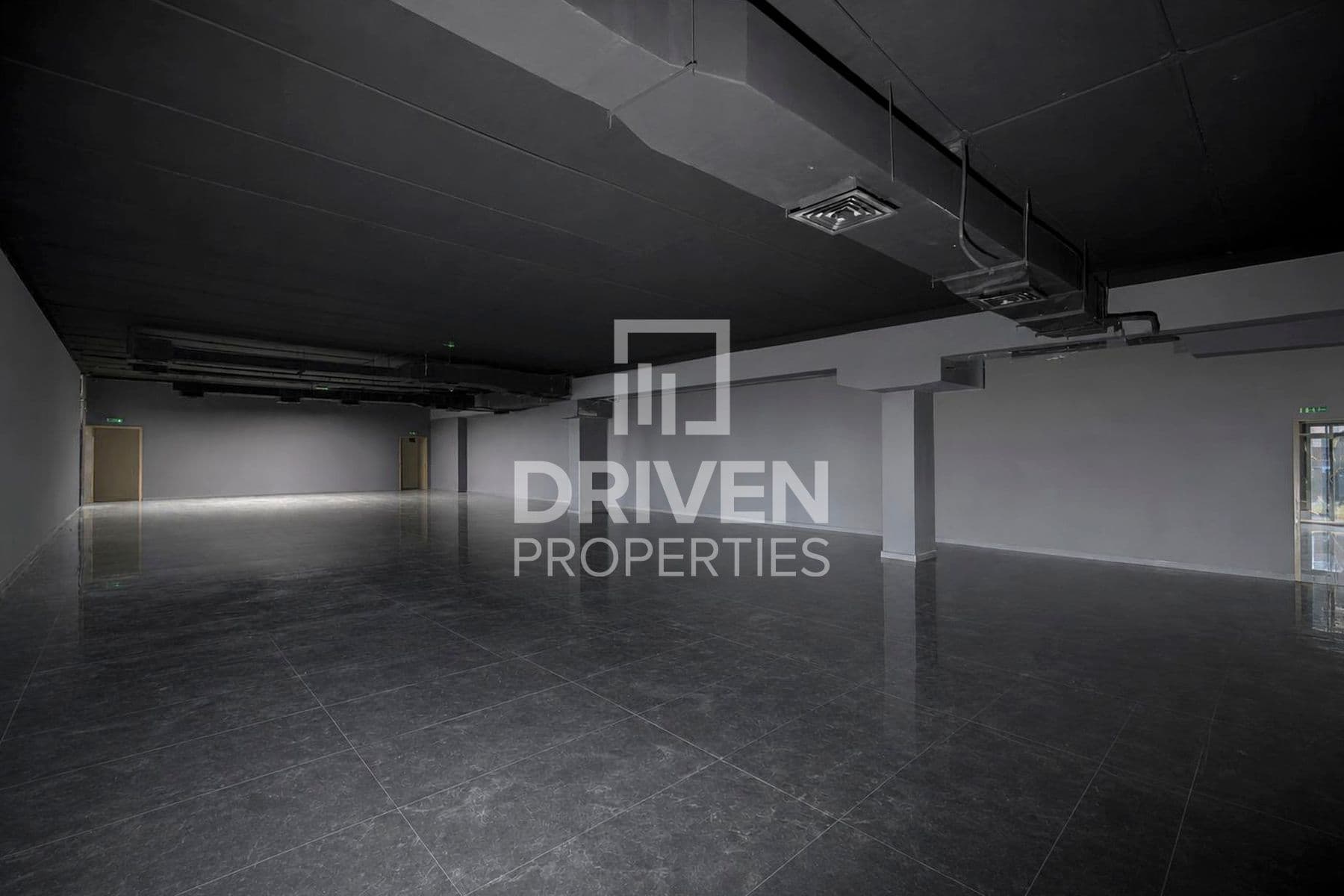
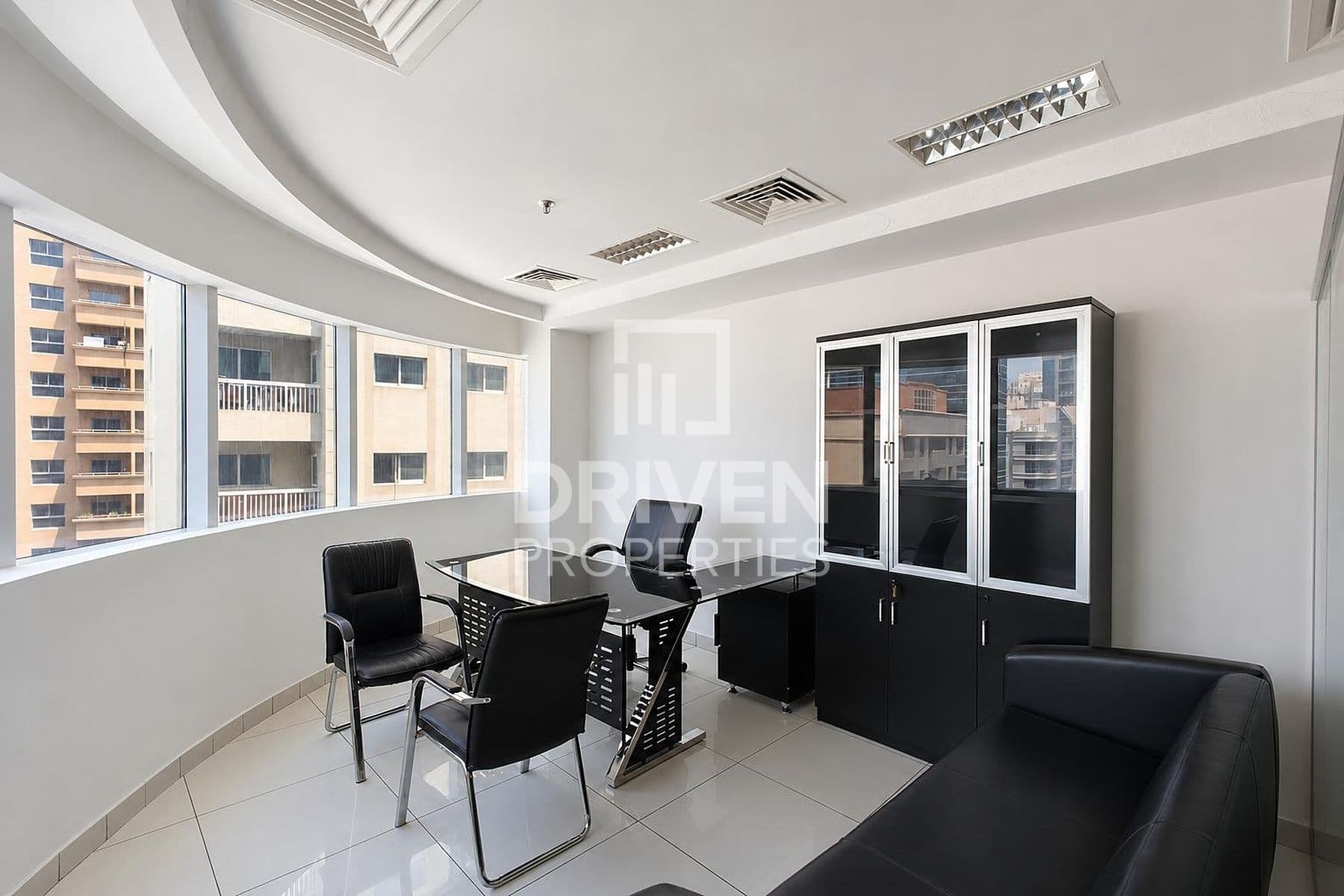
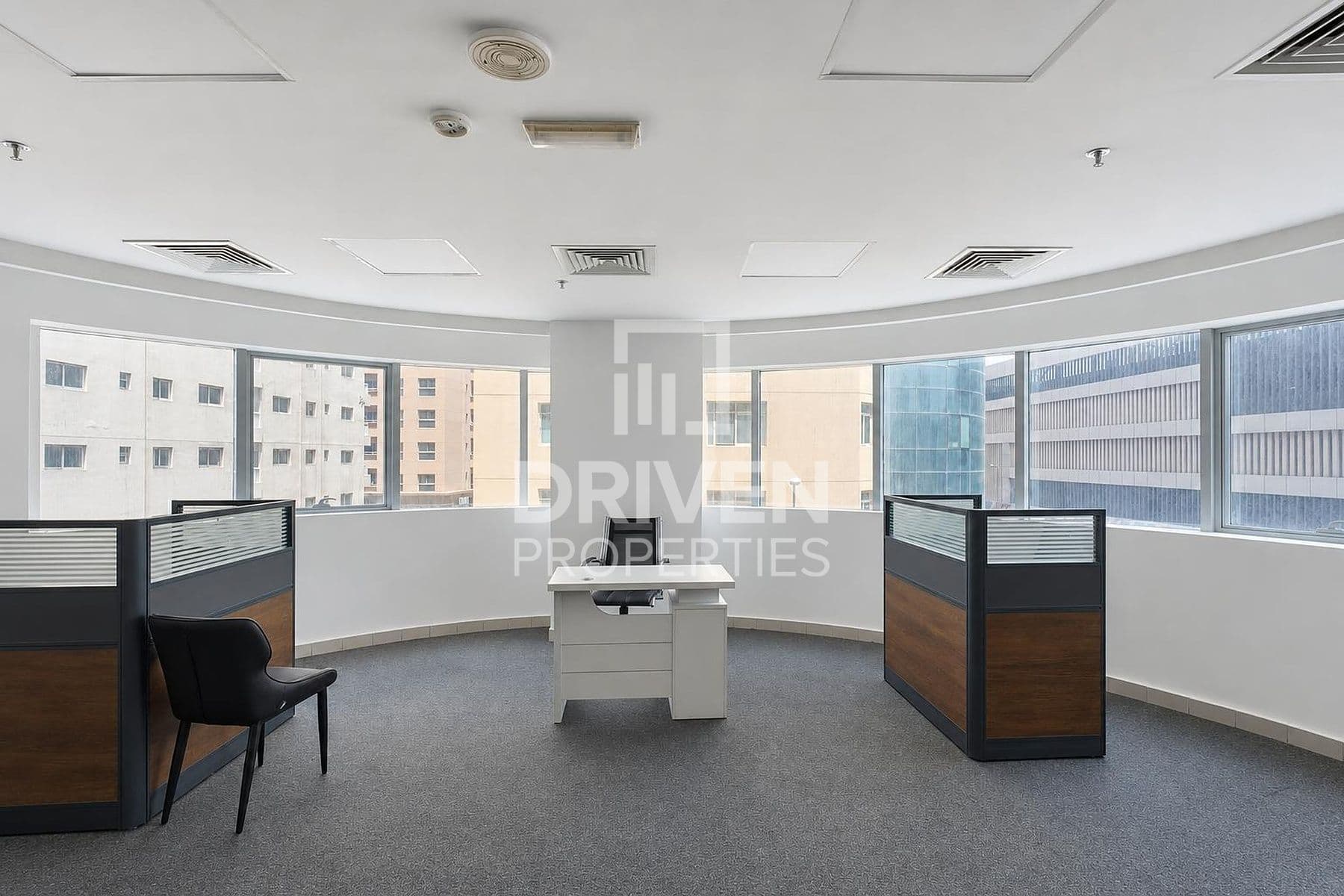
Office stock also varies a lot. Small fitted spaces can start quite low, while larger units and business center spaces push rents well past AED 150,000 a year. Warehouses are far less common here, so the few available options usually price higher than people expect.
3 & 4-Bedroom Villas
3- and 4-bedroom villas in Al Barsha are usually chosen by families that want private parking, a garden, and extra rooms for staff or storage. Al Barsha 2 and Al Barsha 3 are stronger choices for this category.
A 4-bedroom villa can command a higher rent when it has a private pool, upgraded interiors, or a location close to Hessa Street or Umm Suqeim Street.
5- to 6+-Bedroom Luxury Mansions
The luxury villa market is one of Al Barsha’s strongest points. Five-bedroom villas can cost around AED 300,000 to AED 600,000 per year.
Upgraded 6-bedroom mansions with pools, lifts, large plots, and premium finishes can cross AED 850,000 and even AED 1.2 million yearly. These homes usually target larger Emirati, GCC, and high-income expat families.
Detailed Features & Attractions
Restaurants in Al Barsha
- Al Barsha is well-renowned as a dining hotspot in Dubai, boasting a world of diverse culinary options. From fast-food favorites to upscale eateries, popular restaurants include Din Tai Fung, Gazebo, Swiss Butter, and The Noodle House.
Hotels in Al Barsha
- Sheraton, Mall of the Emirates: Located within this world-famous leisure destination, Sheraton is the ideal retreat for those seeking a luxurious stay in proximity to entertainment, dining, and retail.
- Kempinski Hotel Mall of the Emirates: Chill out at this famed indoor ski resort and experience a year-round winter wonderland!
Malls in Al Barsha
- Mall of the Emirates: Experience a world of luxurious retail, endless entertainment options, and a widescreen dine-in cinema at one of Dubai’s top leisure destinations.
- Galleria Mall: Indulge in a world of eclectic dining options and explore upscale boutiques at this chic shopping center on the outskirts of Al Barsha.
Things To Do in Al Barsha
- Ski Dubai: Speed down an 85-metre indoor ski slope, take part in snowboarding action, and spend a day with the penguins all under one roof at Ski Dubai!
- The Theatre at Mall of the Emirates: Witness a world of live performances at this 500-seat atrium, featuring everything from world-famous plays to laugh-out-loud comedy acts!
Accessibility & Transport
Metro Stations
- Mashreq Metro Station: 3.8 km away
- Al Barsha First, Mall of the Emirates Metro Station: 4.6 km away
- Equiti Metro Station: 5.2 km away
Bus Stations
- Al Barsha A 1: 3.6 km away
- Mall of the Emirates Bus Station: 4.7 km away
- Al Barsha South 1, Aswaaq Mall 1: 7 km away
Key Landmarks
- Dubai Internet City: 10.5 km away
- JLT: 12.6 km away
- Dubai Marina: 13 km away
- JBR: 14.7 km away
- Business Bay: 17.7 km away
- Downtown Dubai: 19.5 km away
- Dubai International Airport: 30 km away
Education Nearby
Nurseries
- Dibber Al Barsha South: 1.9 km away
- Blossom Al Barsha 3: 7.5 km away
- Redwood Center of Excellence: 7.5 km away
- Chubby Cheeks Nursery, Barsha Heights: 8 km away
- Ladybird Nursery Al Barsha: 8.3 km away
- Dewdrops Nursery, Al Barsha: 9.2 km away
- Little Feet Early Learning Center: 11.6 km away
Primary & High Schools
- Kings` School Al Barsha: 3.9 km away
- GEMS Founders School: 4.2 km away
- Nord Anglia International School Dubai: 5.4 km away
- Smart Vision School Dubai: 8.2 km away
- Dubai National School: 8.3 km away
- GEMS Dubai American Academy: 8.6 km away
- American School of Dubai: 8.8 km away
- GEMS Wellington International School: 11.4 km away
Universities
- American University in Dubai (AUD): 12.4 km away
Healthcare Facilities
- American Hospital Al Barsha Clinic: 6.9 km away
- Saudi German Hospital: 7 km away
- Al Barsha Health Center: 7.4 km away
- Aster Clinic, Al Barsha: 8.5 km away
- Medcare Medical Centre, Al Barsha: 9.6 km away
- Al Zahra Hospital Dubai: 10.2 km away
- Prime Medical Center, Barsha Heights: 14.7 km away
Elite Schools And Educational Infrastructure
Families often shortlist Al Barsha because school access is strong. Kings’ School Al Barsha, GEMS Founders School, Nord Anglia International School Dubai, GEMS Dubai American Academy, and American School of Dubai are all within practical driving distance.
Nurseries and early learning centers also support the area’s family appeal. Parents can handle school drop-offs, clinic visits, supermarket runs, and weekend activities without crossing half the city.
Community Lifestyle: Dining, Shopping & Wellness
Al Barsha is built for daily practicality, not for show. A resident can grab groceries, stop at a clinic, book a gym session, pick up coffee, or eat at the mall without crossing half of Dubai. That convenience is a big reason families, office workers, and long-stay tenants keep choosing the area.
Restaurants & Cafes
Al Barsha has a practical food scene, not only tourist dining. Residents get casual cafeterias, South Asian restaurants, Arabic grills, hotel dining, coffee shops, and family restaurants around the Mall of the Emirates.
Din Tai Fung, Gazebo, Swiss Butter, The Noodle House, and several smaller neighborhood eateries keep the dining options varied. Al Barsha 1 is the easiest pick for people who like eating out often.
Shopping & Supermarkets
Mall of the Emirates is the main retail anchor, featuring luxury brands, a cinema, dining, and Ski Dubai all in one place. Galleria Mall adds a smaller shopping option for people who want something quieter.
For groceries, residents have Carrefour, Lulu, Union Coop, smaller marts, bakeries, pharmacies, and late-night convenience stores across Al Barsha. Villa residents usually depend more on car trips, while apartment tenants in Al Barsha 1 often walk to daily shops.
Transport, Highways, And Metro Access
Al Barsha connects quickly to Sheikh Zayed Road, Umm Suqeim Street, Hessa Street, and Al Khail Road. That is one of the main reasons people continue to choose the area, even when traffic builds near the Mall of the Emirates.
Al Barsha 1 has the best public transport access. Mashreq Metro Station and Mall of the Emirates Metro Station serve residents who commute to Dubai Internet City, Business Bay, Downtown Dubai, and Dubai Marina.
Villa areas in Al Barsha 2 and Al Barsha 3 are easier with a car. School runs, grocery trips, and late evening errands are more manageable when residents have private transport.
Living In Al Barsha: Pros And Cons
Living in Al Barsha works well for people who want daily convenience without moving too far from Dubai’s main roads. The area has strong schools, supermarkets, clinics, malls, metro access, and large villa pockets. Still, residents should think about traffic, parking, and ownership limits before choosing a home here.
Pros
One reason Al Barsha keeps attracting renters is simple: daily convenience. A tenant in Al Barsha 1 can step out for groceries, catch the metro, stop by a clinic, and be at Mall of the Emirates are just a short drive away, and occasionally you can even walk there, depending on the building. That kind of day-to-day ease appeals to busy professionals and small families who do not want a long list of errands turning into a full evening plan.
The Al Barsha area also works well because it does not force one lifestyle on everyone. Some residents want a practical apartment near public transport. Others want a villa with a private garden, a pool, and enough room for children, guests, and staff. Al Barsha gives both options, which is not something every Dubai community manages very well.
Cons
Traffic can get heavy near the Mall of the Emirates, especially in the evenings, on weekends, and during school hours. Some internal roads also feel busy because the area has hotels, apartments, villas, shops, and offices close to each other.
Parking can be tight in the older apartment clusters of Al Barsha 1. Newer buildings usually handle parking better, but tenants should still check the parking space before signing a lease.
Buyers also need to check ownership rules carefully. Many properties in Al Barsha limit ownership to UAE and GCC nationals, while expats usually focus on Al Barsha South or selected freehold projects.