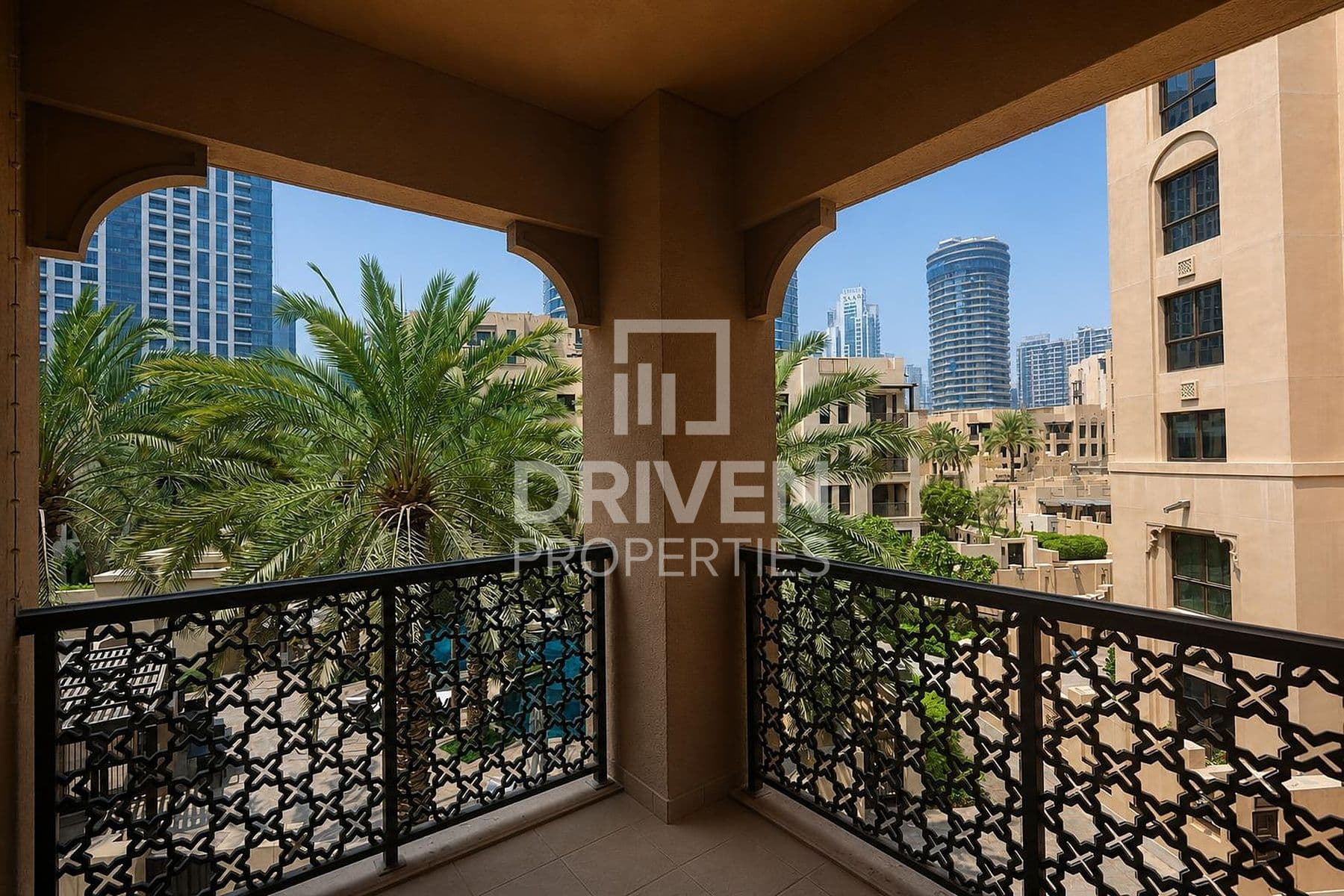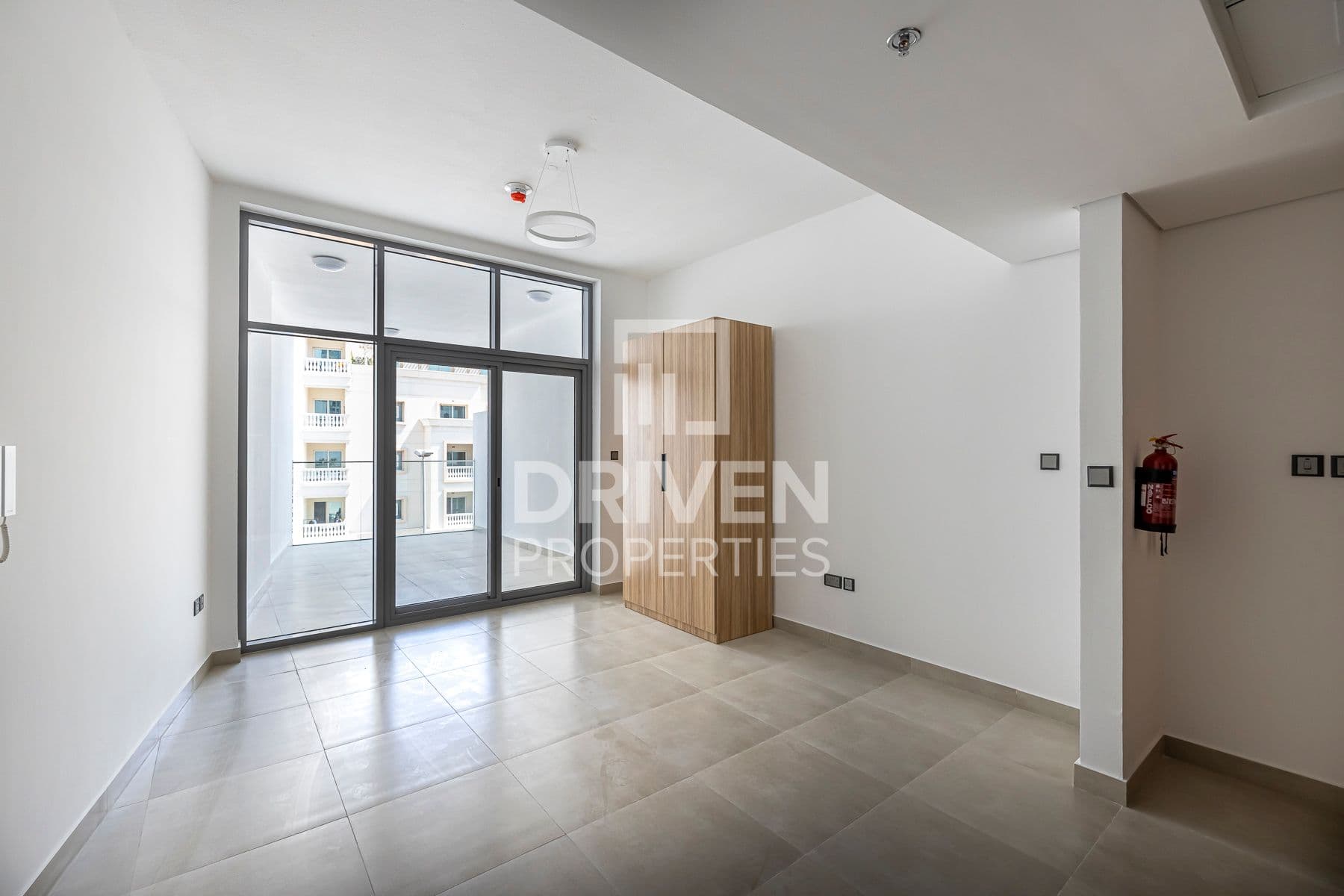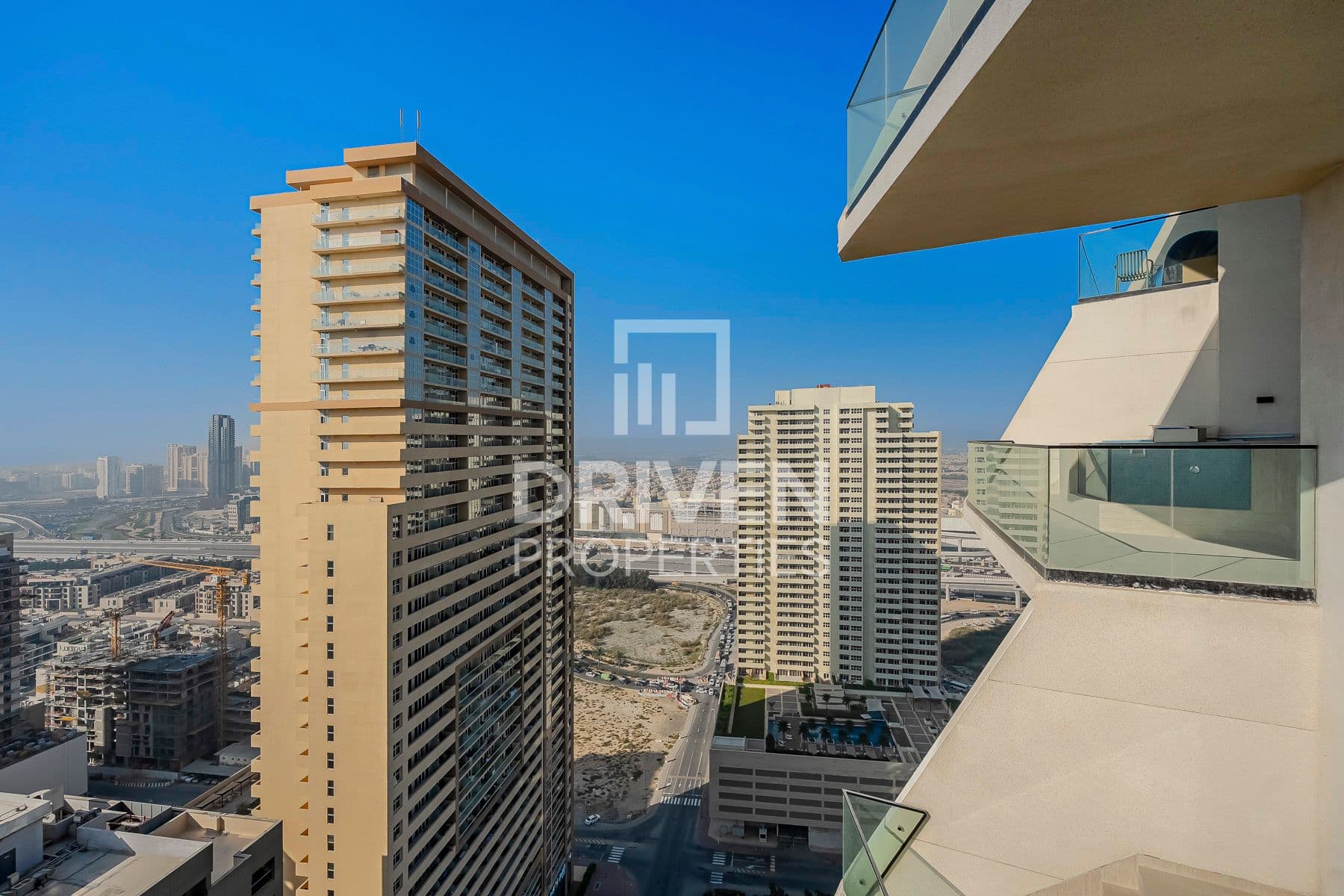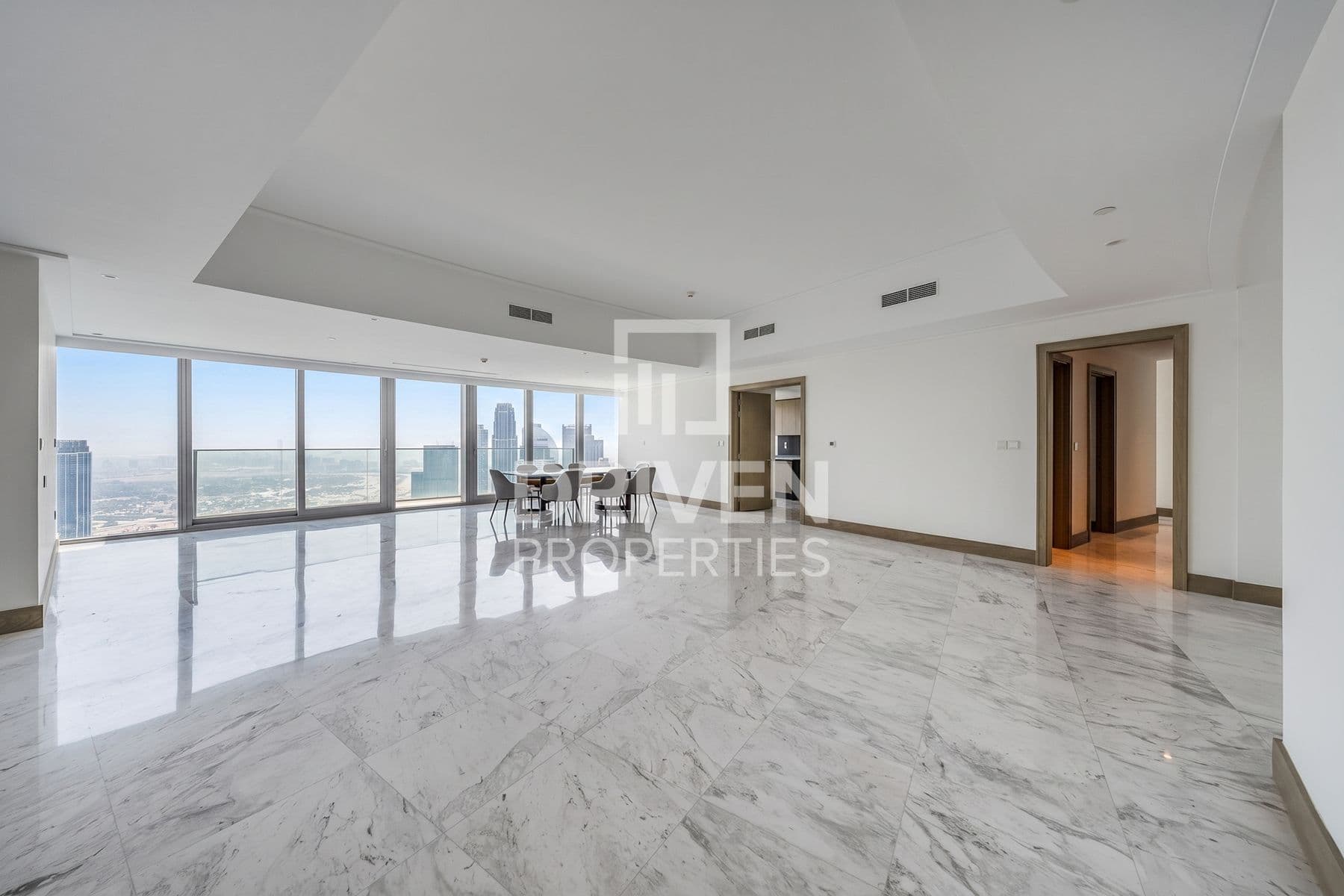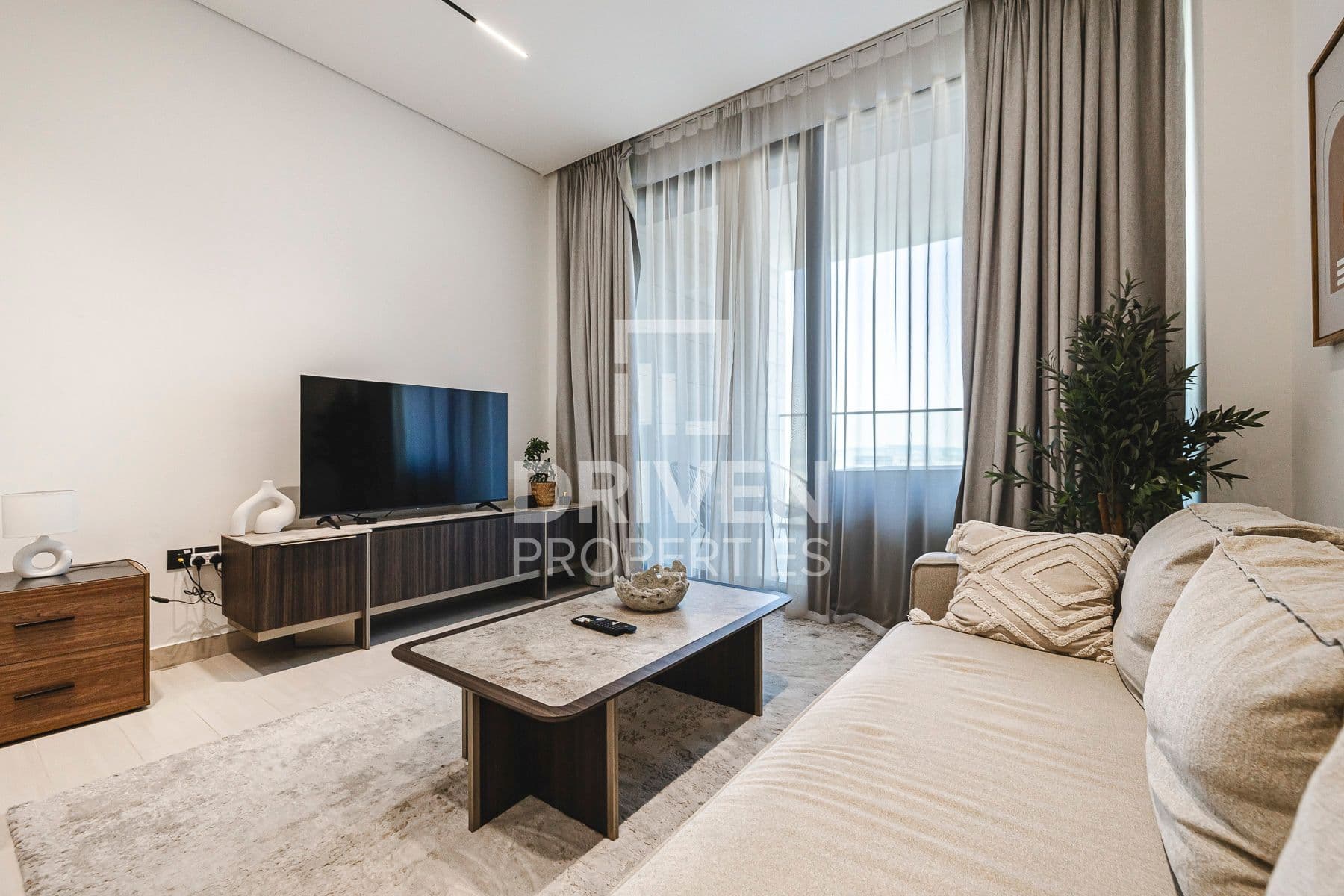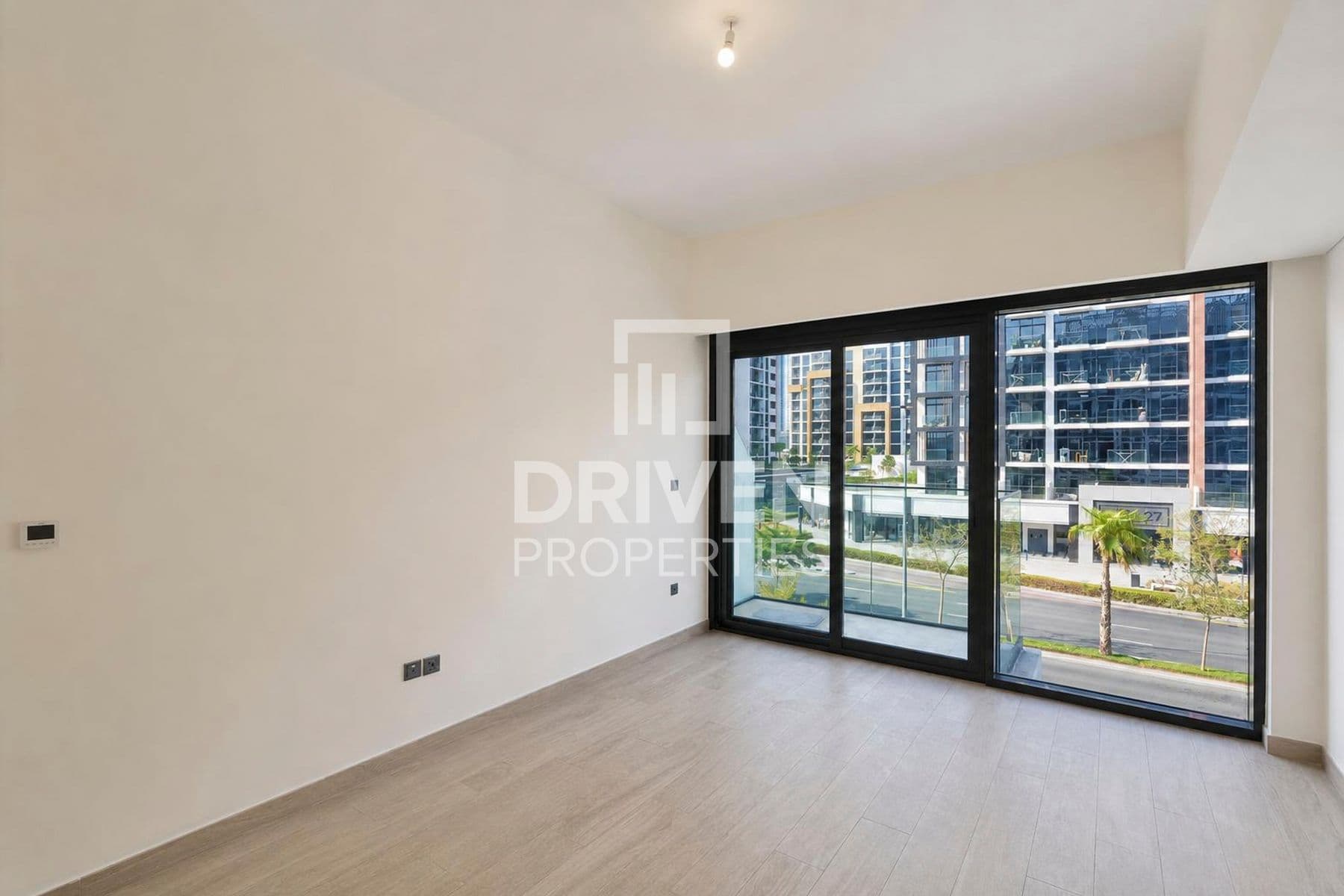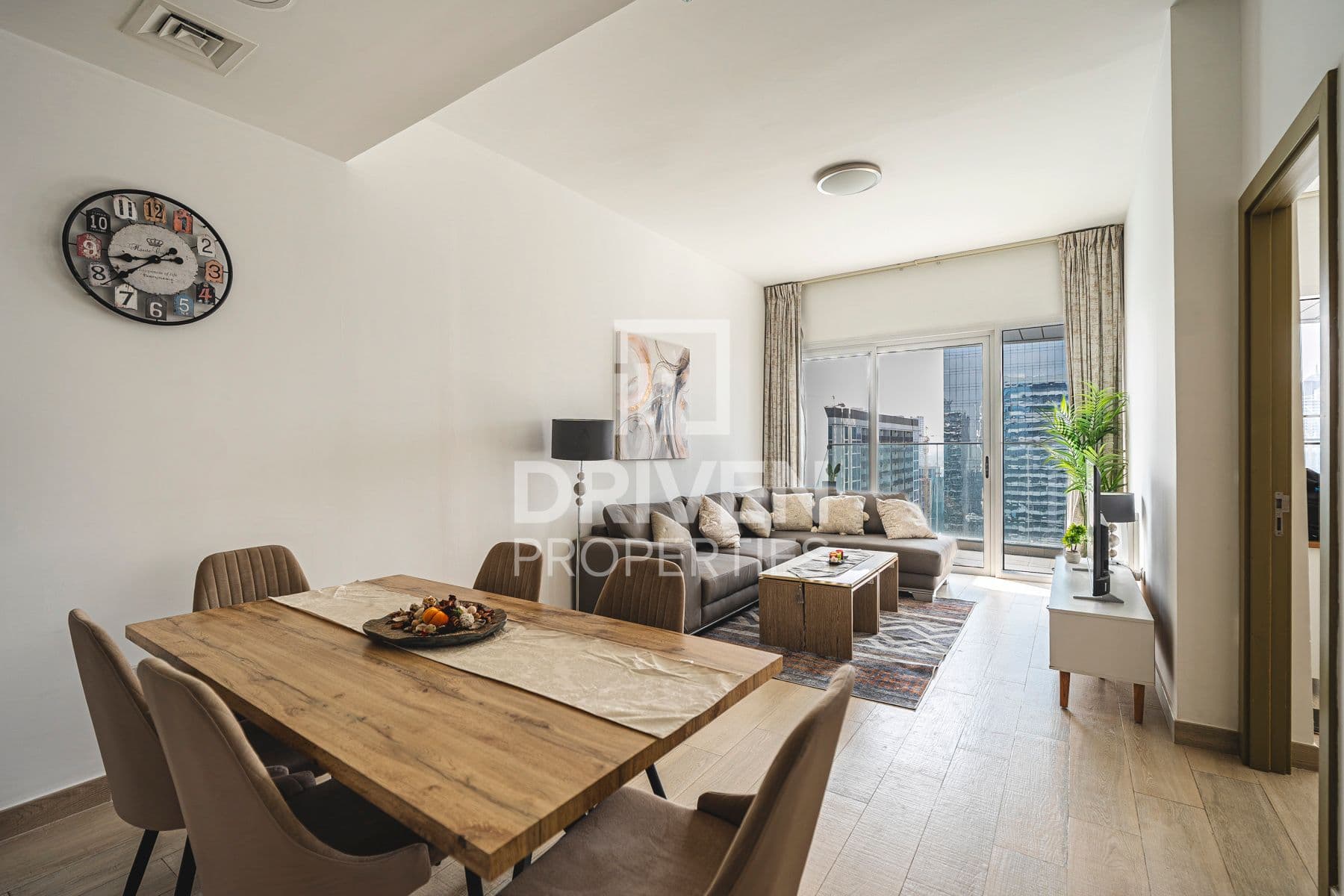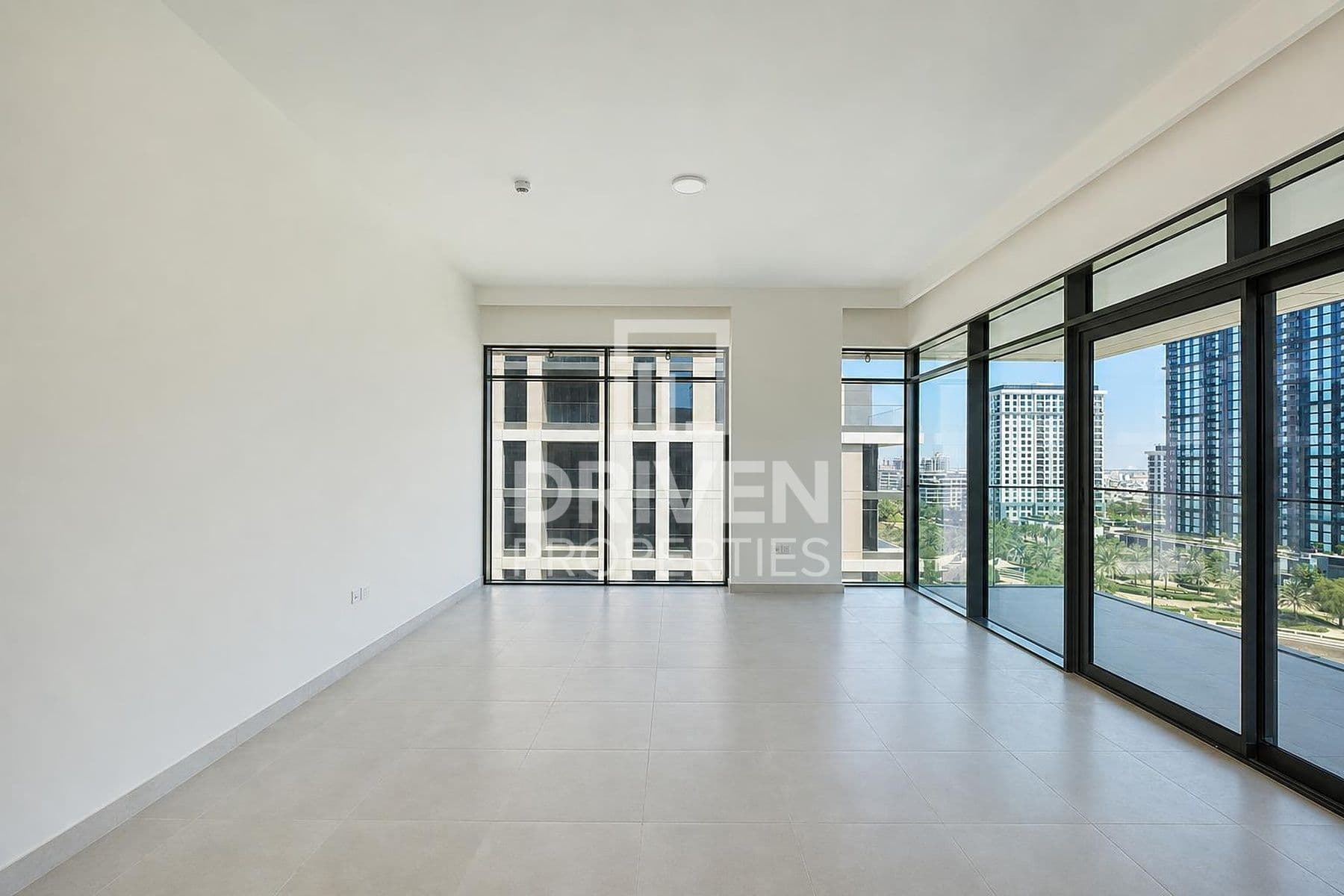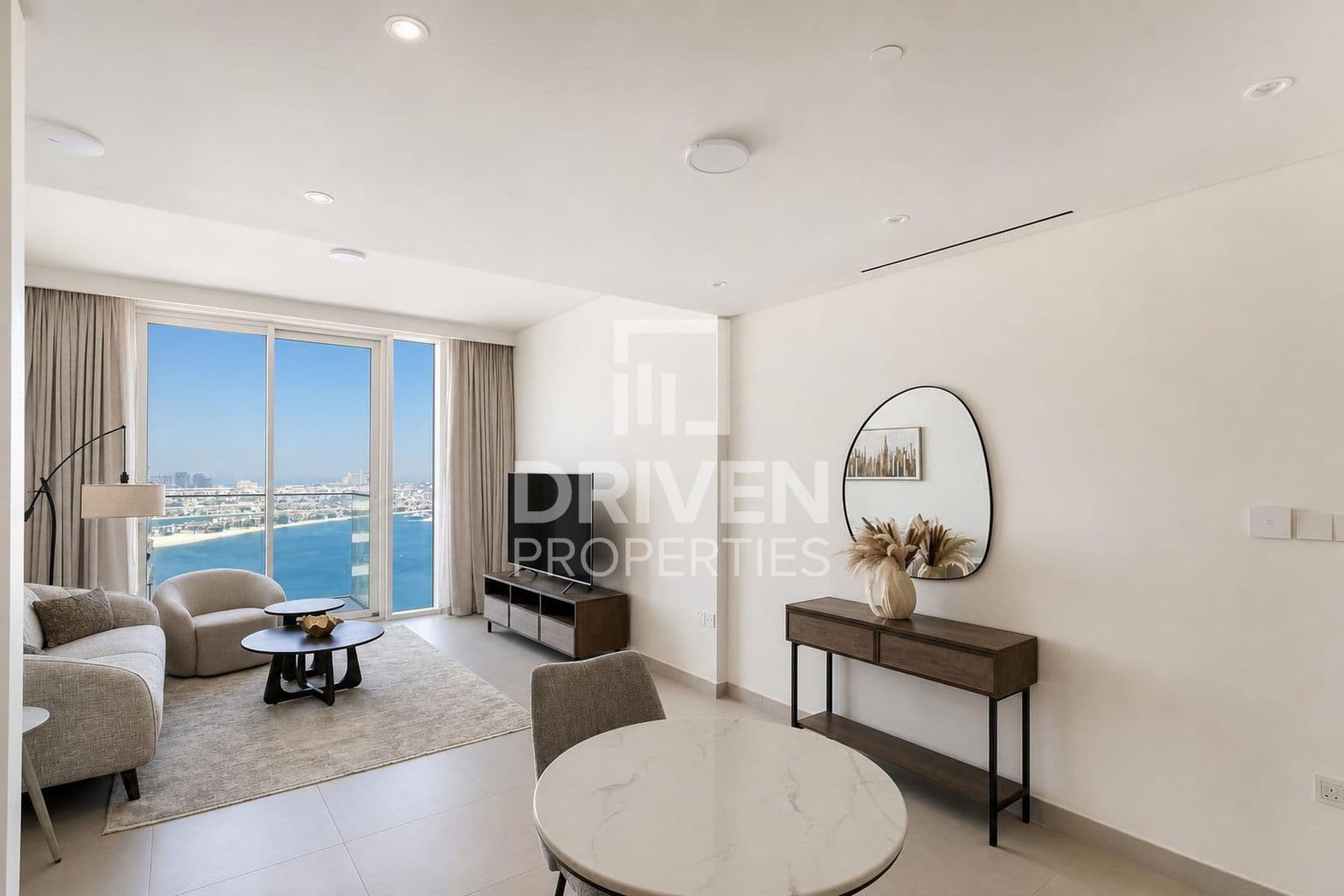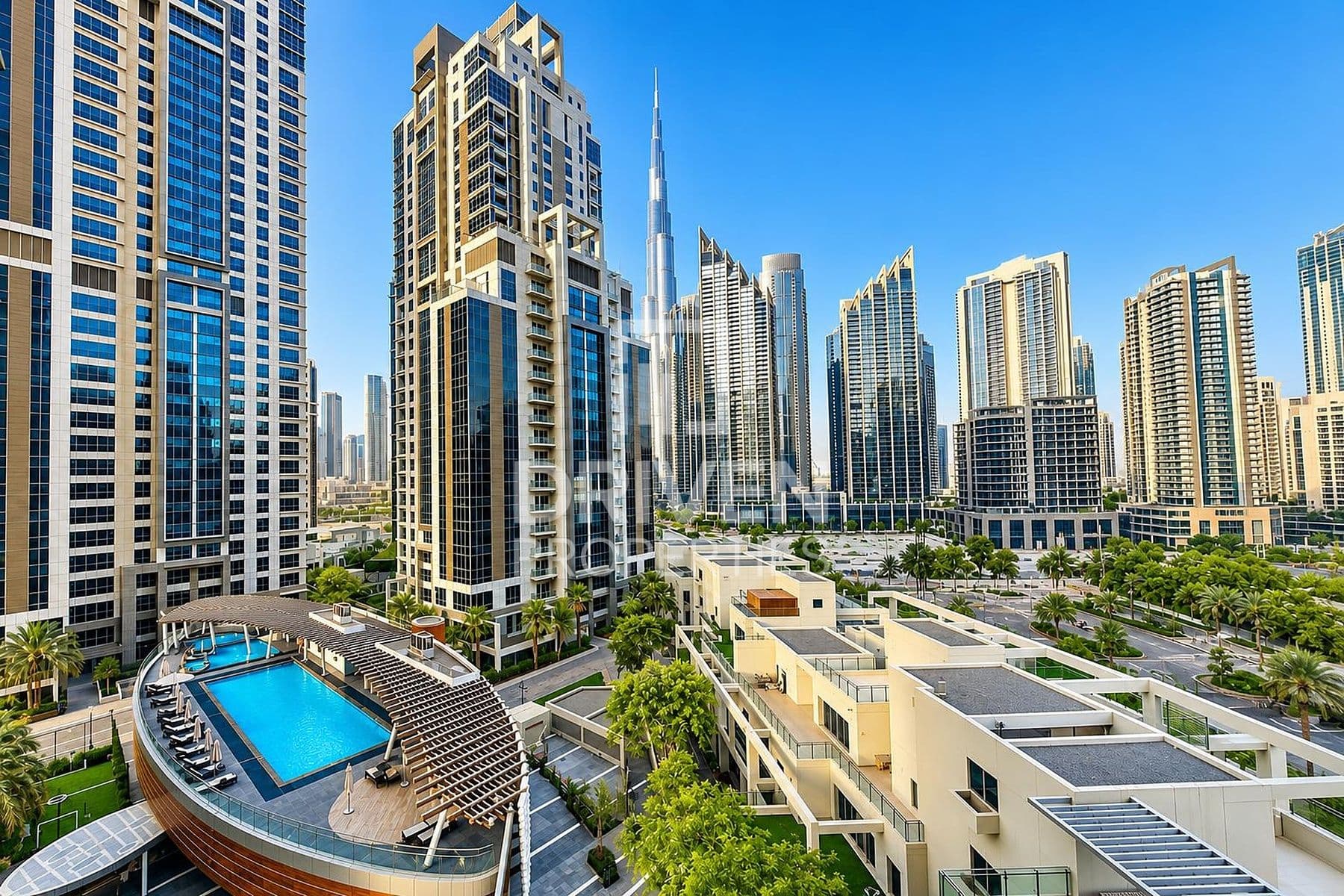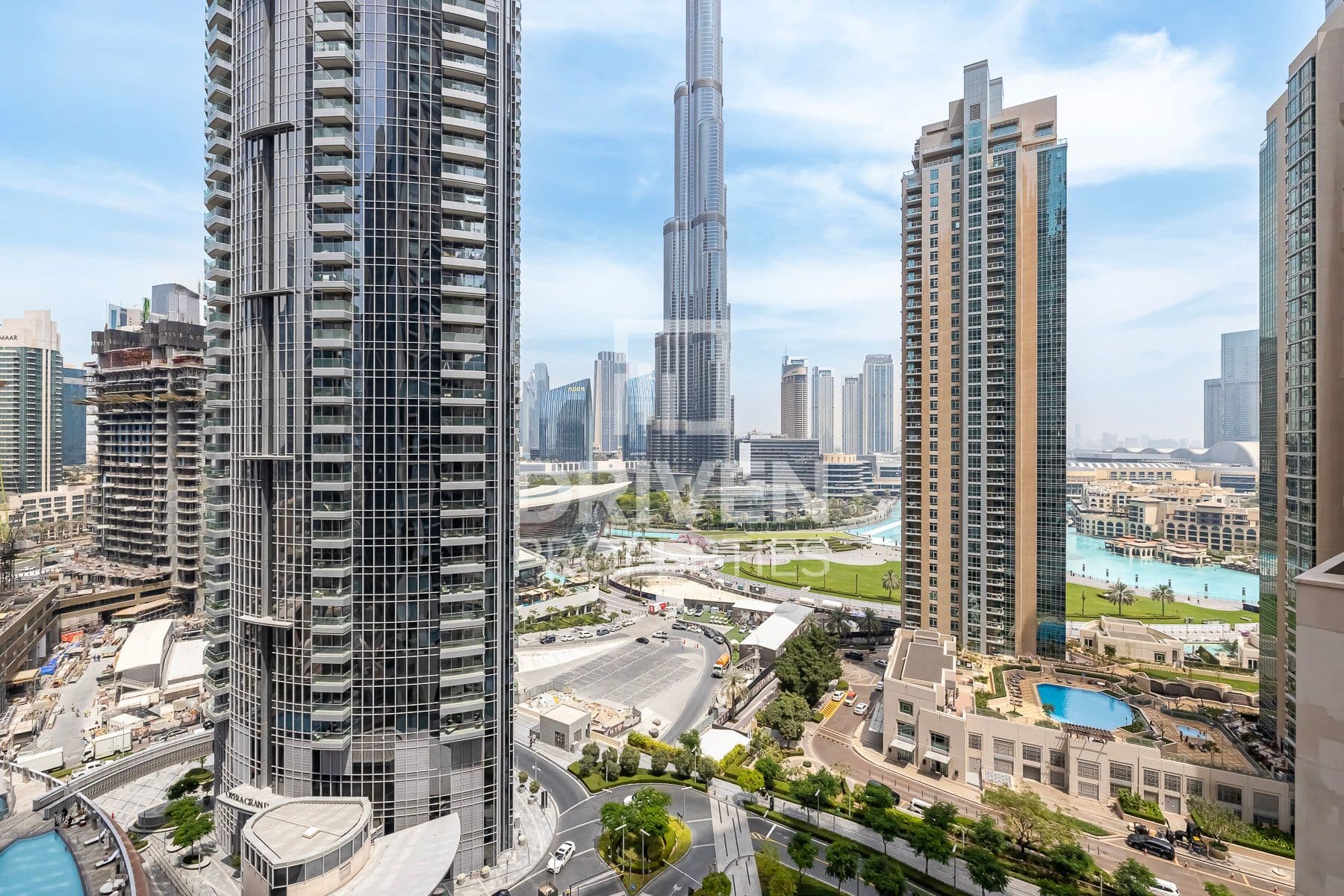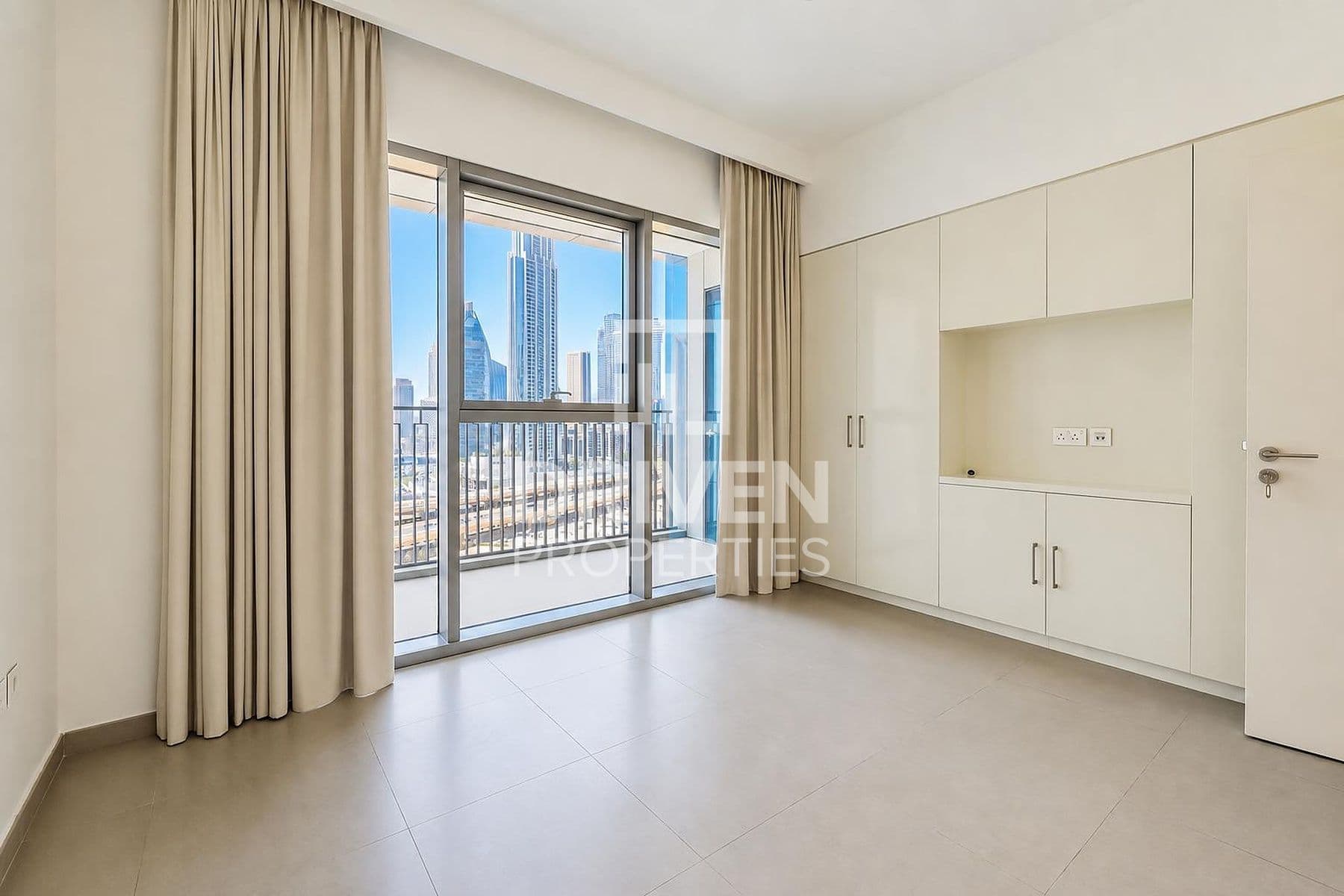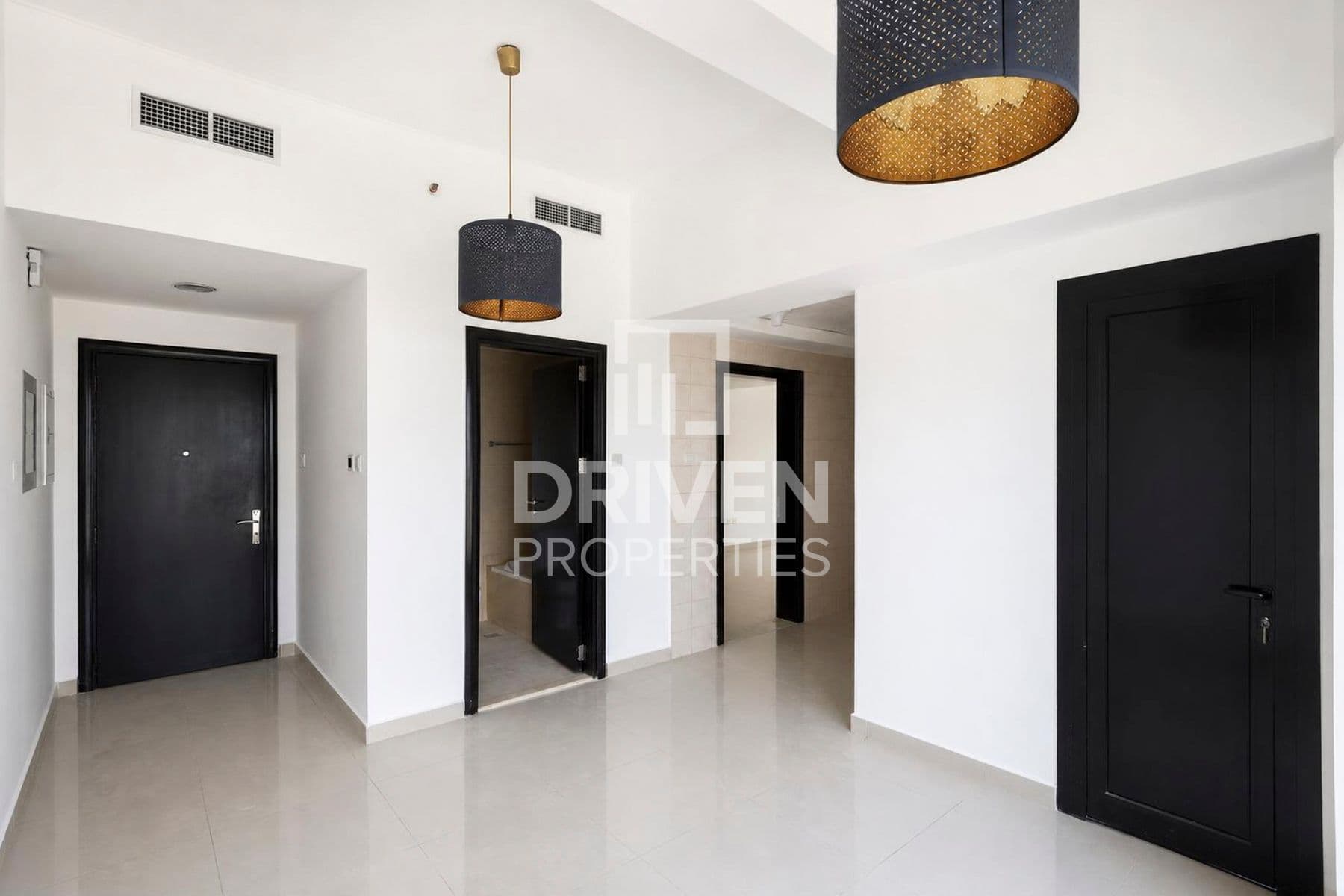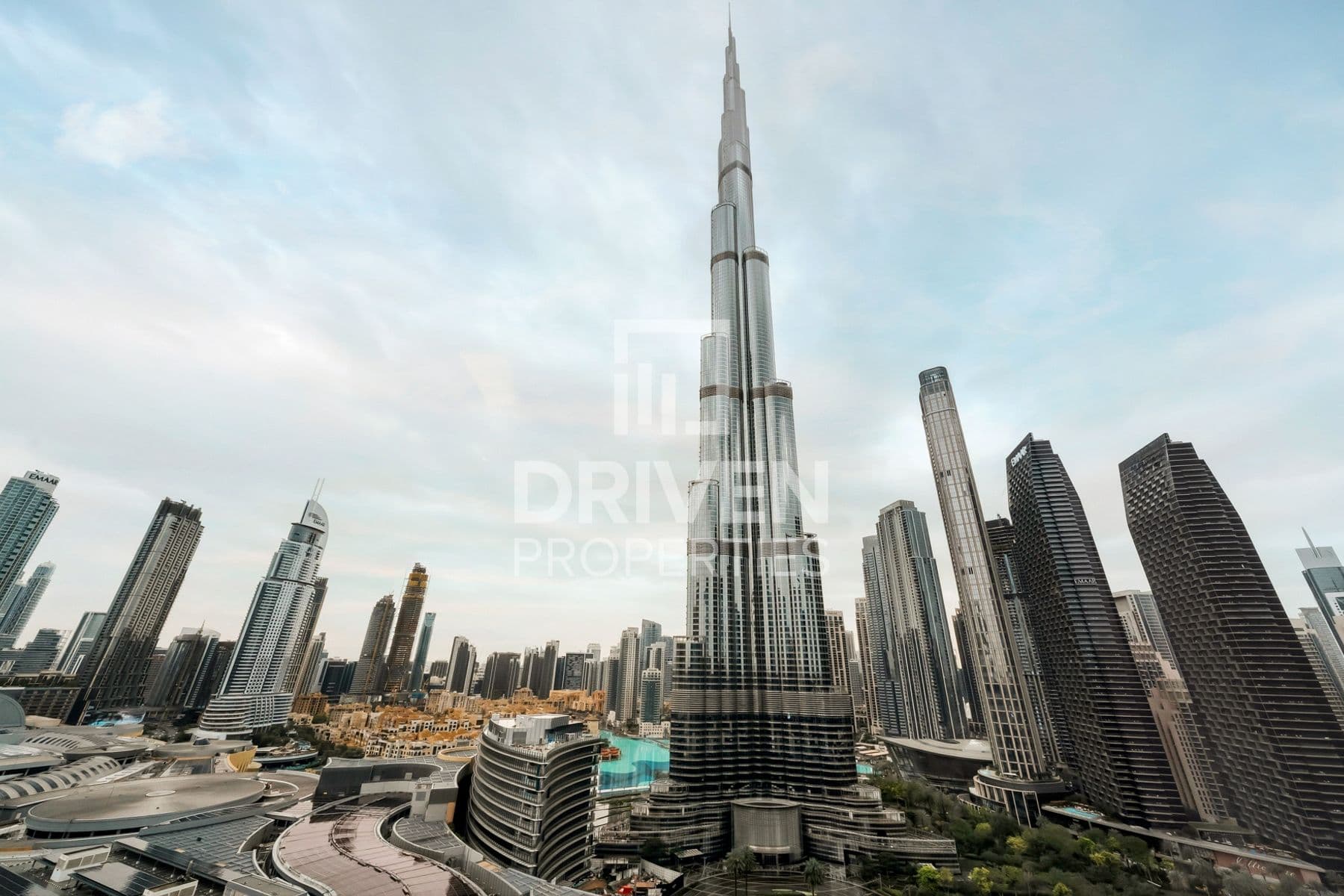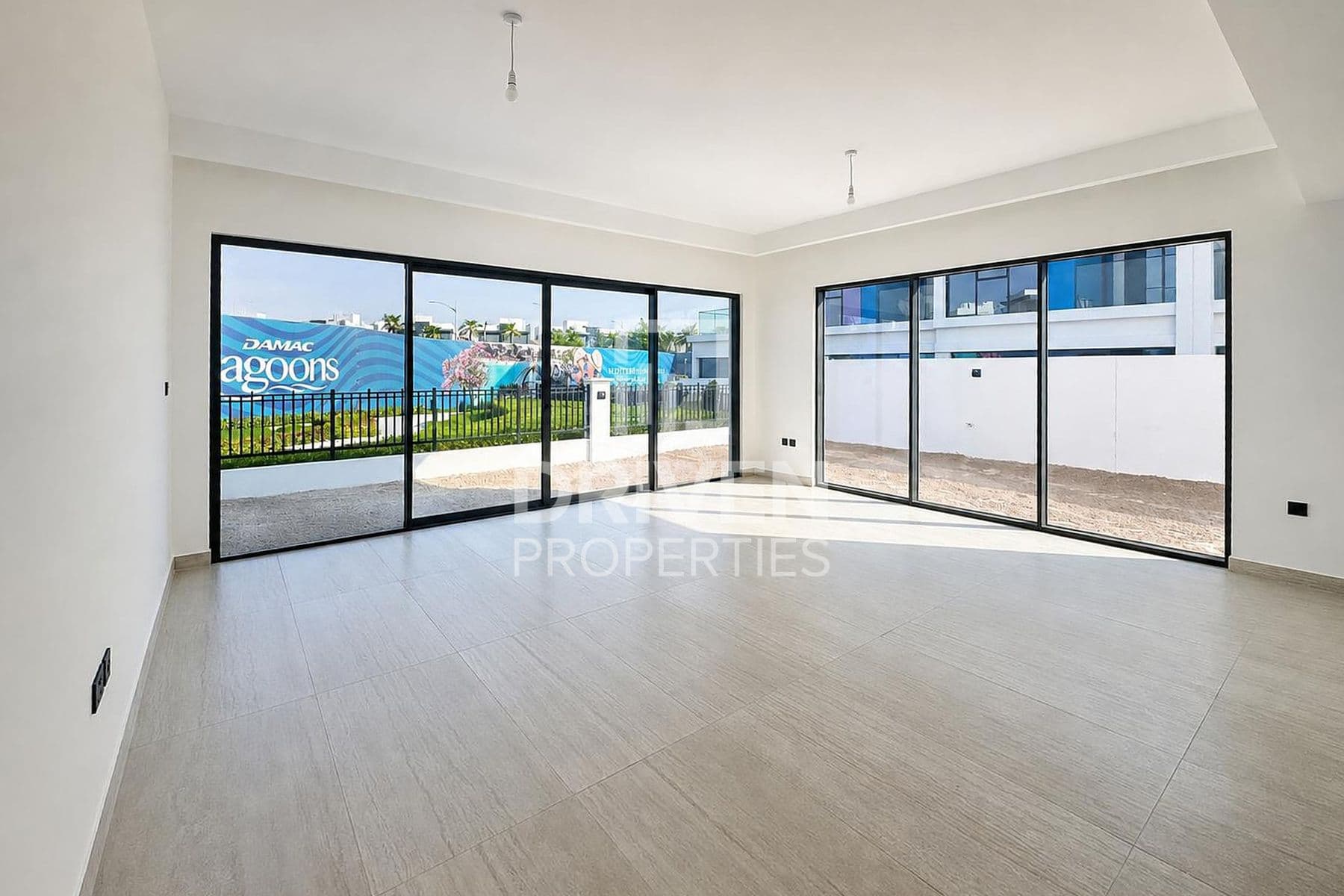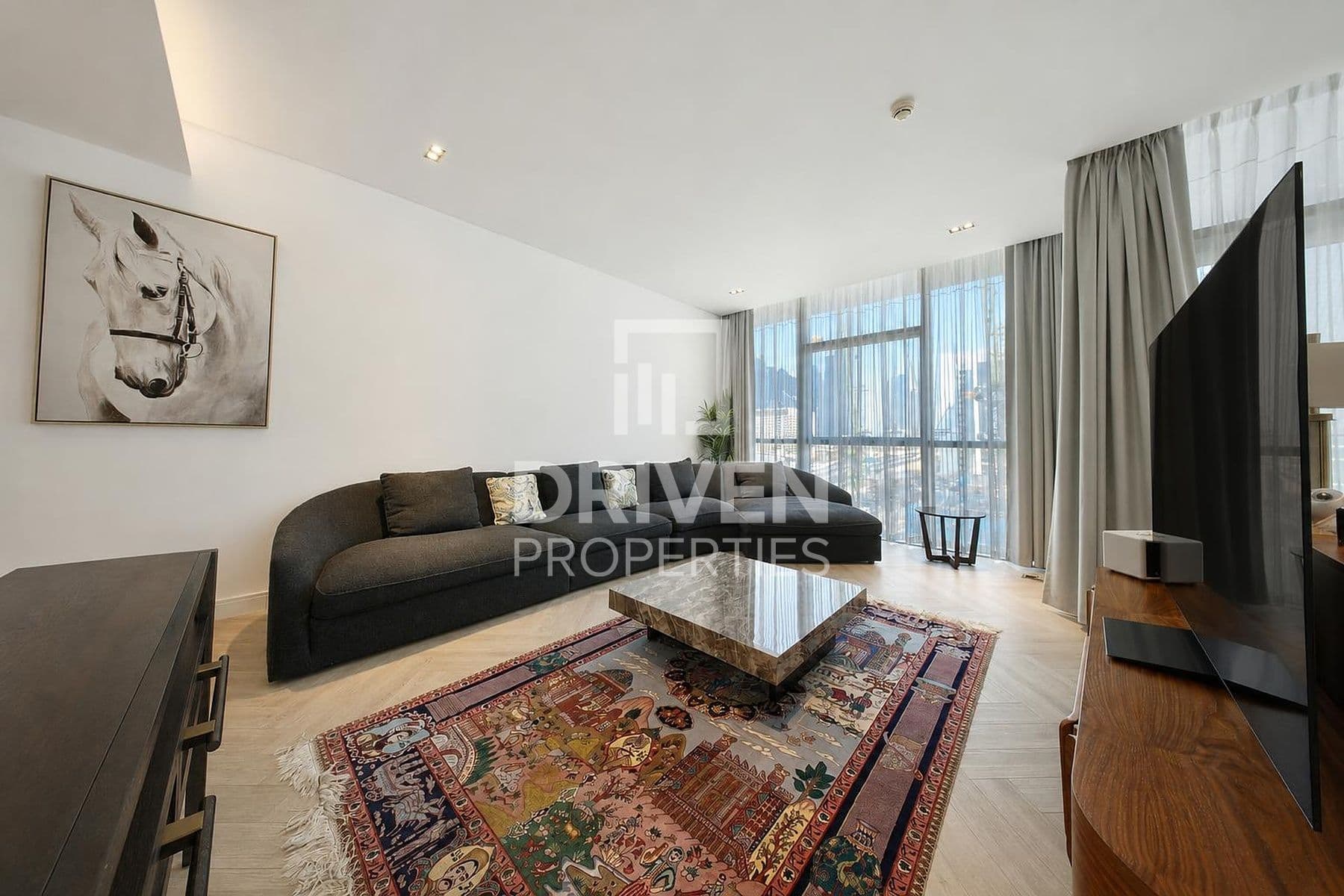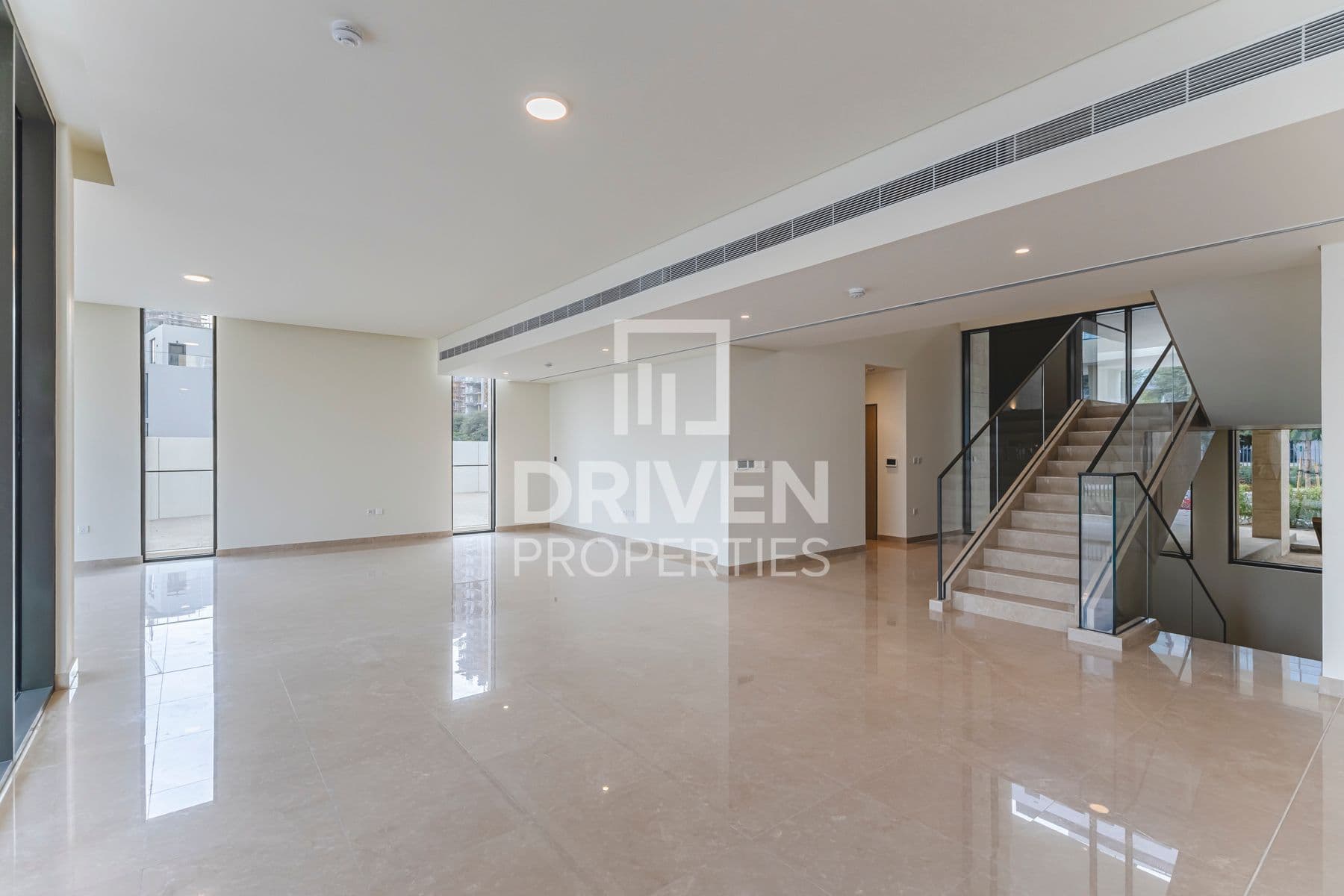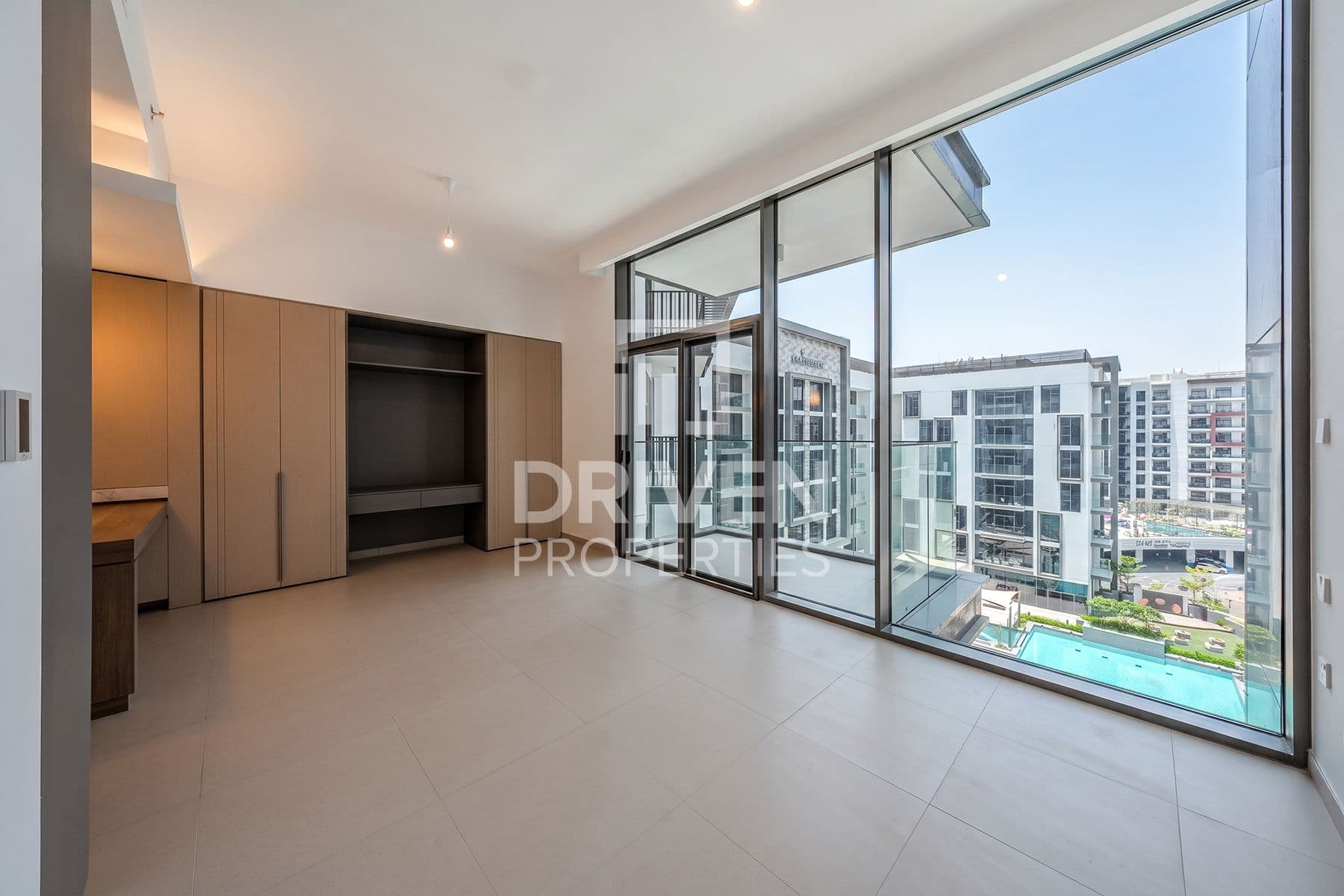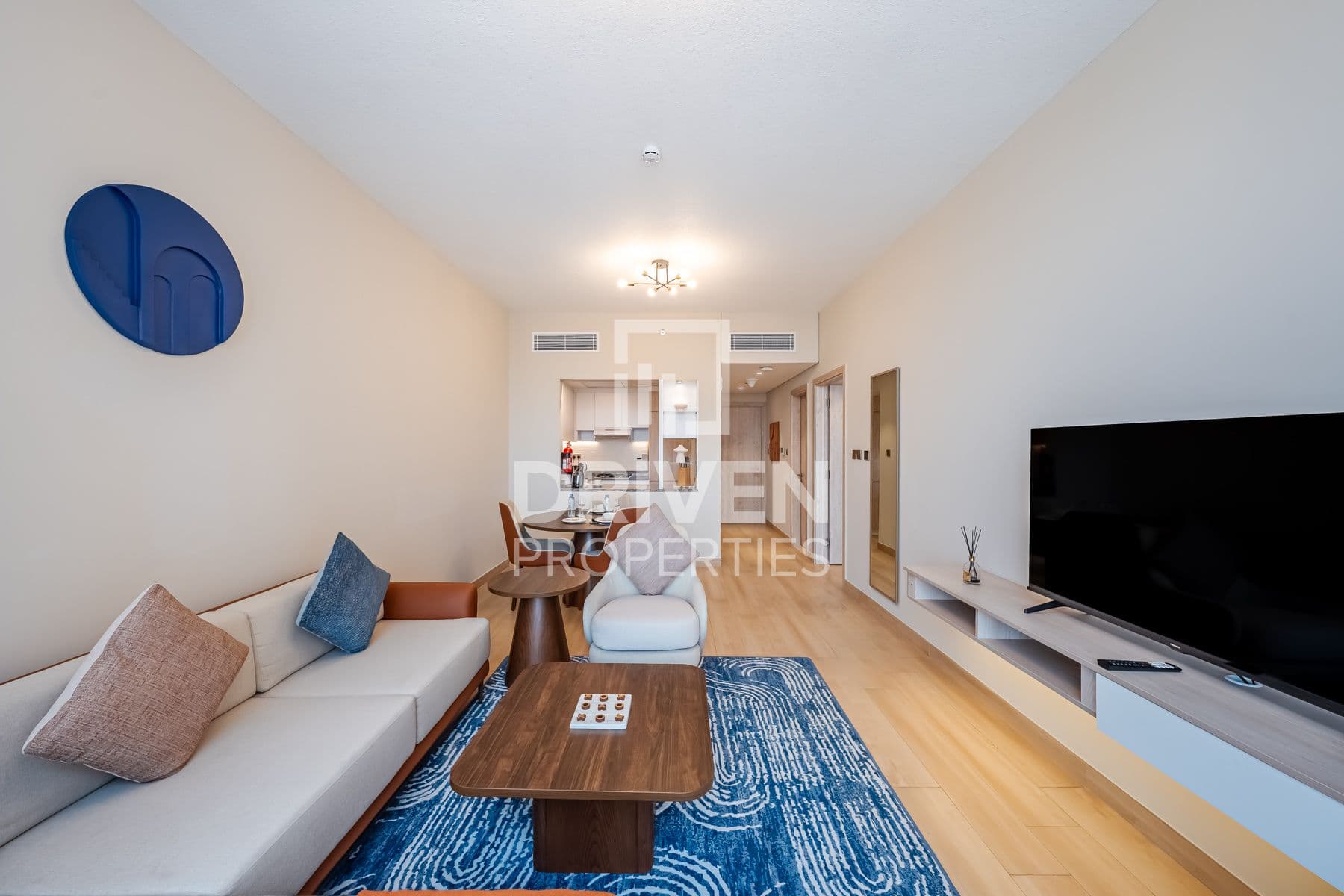
In the city of Dubai, finding the perfect residence is a pursuit that aligns with the city's commitment to luxury living. With so many residential developments to choose from, homebuyers are in for a treat. From waterfront communities that promise a relaxing life near pristine beaches as well as fun-filled water adventures to gated and village-like neighborhoods offering a calm and serene life, themed communities that match your interests and hobbies, and business centers where life is always bustling, Dubai has it all and more.
Why Dubai Is a Top Choice for Renters in 2026
Dubai keeps attracting renters in 2026 because it lets people run a normal week with fewer delays. Most tenants pick Dubai for work first, then stay because the city makes daily living easy to plan. You can choose a home close to key job zones, and you can still get safe buildings, managed communities, and services that work in a predictable way.
Here is what renters usually mean when they say Dubai is “easy to live in”:
- Commute choices that reduce travel stress: if you work around DIFC, Downtown, Business Bay, or Dubai Media City, you can rent near these zones and avoid long drives. Many tenants also pick locations with direct Metro access, like Dubai Marina, JLT, or Deira, because it keeps the routine steady.
- Building standards that feel consistent: newer towers in areas like Business Bay, JVC, Dubai Hills Estate, and Dubai Creek Harbour often include security desks, parking control, central maintenance teams, and shared gyms or pools. Not every building is perfect, but the better-managed ones follow clear systems.
- A rental process that is structured: most leases follow the same flow. You view, agree terms, sign, then register Ejari. Landlords usually ask for a passport copy, Emirates ID, and deposit. This is not confusing once you see it once, but many new renters skip steps and then face delays.
- Monthly rent apartments in Dubai for flexible stays: in places like Dubai Marina, Downtown, Business Bay, Barsha Heights, and JVC, tenants can often find furnished units with shorter terms through managed buildings or hotel apartment setups. This works well for new arrivals who want time before choosing a long-term home.
- Neighbourhood variety that matches different budgets: if someone wants lower rent, they often look at International City, Deira, Al Nahda, and parts of Bur Dubai. If they want mid-range, JVC, Dubai Silicon Oasis, Dubai Sports City, or Dubai South usually come up. If they want premium living, Dubai Marina, Downtown, Palm Jumeirah, and Dubai Hills Estate are common shortlists.
- Daily services close to home: many communities have supermarkets, pharmacies, clinics, salons, and gyms within short distance. This matters more than people admit, because it decides how your week feels, not only how your home looks.
Should You Rent Property in Dubai?
Dubai works best for renters who want a clear housing system, steady services, and a wide choice of unit types. If you know your work location, budget, and lease term, the rental process becomes much easier. Below are the renter profiles that usually get the best outcome.
Expats relocating for work
If you are moving for a new job, renting is the fastest way to start life in the city. Many employers expect you to settle quickly, so a rental helps you avoid delays. In most cases, expats start with a furnished unit or a simple apartment close to work, then shift to a better area after the first contract cycle.
What helps expats most:
- Choosing a location based on commute time, not only rent price
- Keeping documents ready before you start viewings
- Using a short lease first if your role is still in probation
Families moving to Dubai
Families usually rent first because it lets them test the area, school travel time, and building rules before they commit long-term. A home can look perfect online, but family routine depends on small details like parking access, lifts, play areas, and traffic at school hours.
Families often prioritize:
- Larger layouts with storage and practical kitchens
- Quiet building management and clear visitor rules
- Proximity to schools, clinics, and grocery options
- A community setting with parks, walkways, and safe entry points
Professionals seeking long-term rentals
If you plan to stay for two years or more, you can use renting to create stability without buying. Long-term renters often get better value when they choose an unfurnished unit and set up the home in their own way. This also works well for people who want a steady rent plan and do not want to switch units often.
Long-term renters usually do well when they:
- Pick buildings with a good maintenance track record
- Review renewal clauses and notice periods early
- Avoid making choices based only on the view or furniture
Short-term residents and consultants
Consultants and short-term residents often need speed, not perfection. For this profile, a managed furnished unit, hotel apartment, or monthly rental can work better than a standard annual lease. It reduces setup work and makes it easier to exit without stress.
This option suits people who:
- Have a project-based contract
- Travel often and need services included
- Want a simple move-in and move-out process
Investors testing rental locations
Some investors rent in Dubai to understand tenant demand before buying. This helps them learn the real differences between similar areas, building quality, and daily access. It also helps them decide what unit type renters actually choose, not what looks best on paper.
A practical approach investors use:
- Rent near their target building types
- Track traffic flow, parking stress, and service levels
- Compare costs across two or three neighborhoods before buying
Who Should Avoid Renting in Dubai?
Dubai is not a fit for every renter. Some people can still rent here, but they should pause and rethink the plan before signing anything. Most issues come from payment structure, work stability, or expectations that do not match how leasing works in the city.
You should avoid renting in Dubai if:
Your income is not stable yet
If your work situation is not clear, rent commitments can become stressful. Many landlords prefer strong payment certainty, and a missed payment creates problems fast.
You expect month-to-month flexibility in normal apartments
Many standard rentals run on annual contracts with structured payment terms. If you need full flexibility, focus only on monthly rent apartments in Dubai or managed units. Do not assume a landlord will accept short notice.
You do not have documents ready
If your visa, Emirates ID process, or proof of income is not in place, your search can waste time. Some landlords will not hold a unit while you arrange paperwork.
You are highly sensitive to noise, traffic, or building crowding
Some areas stay busy late into the night. Some towers have high tenant turnover. If quiet living is your top priority, you must check the building and street at real hours, not midday.
You cannot plan for upfront move-in costs
Rent is not the only cost. Deposits, agency fees, and utility setup can add pressure in the first month. If you do not budget for this, the move becomes harder than it should be.
You rely on casual verbal promises
Dubai rentals run on written terms. If something is not written in the contract, assume it may not happen. This includes maintenance promises, furnishing changes, and renewal terms.
If any of these points match your situation, the better option is to delay signing, choose a shorter managed stay first, or adjust your area and budget. It saves trouble later, and it keeps your move clean.
Introduction to Premium Living in Dubai
Are you in search of the ideal place to call home? Look no further; find spectacular properties for rent in Dubai, catering to your unique preferences and lifestyle.
Living: Dubai Homes for Rent
In the heart of this vibrant city, property to rent in Dubai is setting new standards of luxury. Real estate developers constantly compete to offer the best, and renters reap the rewards. From sleek apartments with skyline views to spacious villas and cozy studios, the variety of houses to rent in Dubai matches the city's dynamic lifestyle.
When moving to Dubai, you’ll find no shortage of great places to live. Options range from compact units for singles or couples to large family apartments with top amenities. There are also luxury penthouses, townhouses, and villas for those seeking a more upscale lifestyle.
Imagine living in a city that blends tradition with modern living; your ideal home could be just a lease away. Every property to rent in Dubai, especially when you choose to rent property online, Dubai offers the chance to enjoy a life of style and comfort, with iconic skyscrapers as your backdrop.
To find the perfect place, it’s important to understand the fast-moving Dubai real estate market.
Exploring the Dubai Real Estate Market
Dubai's real estate for rent is a dynamic landscape that demands a keen understanding of the market trends. The city’s rental market has been consistently growing and promises to continue this upward trend to accommodate the increasing number of expats who come to Dubai to build a world-class career.
Real estate purchase market is also growing, as demand is also strong from both home buyers and investors. The strength of the real estate market clearly reflects the robust economy of the emirate and all the hope it holds for the future.
To begin your journey, explore the array of residential rental properties in Dubai, ranging from stylish apartments in the heart of downtown to expansive villas nestled in serene communities. Furthermore, discover commercial properties such as a warehouse in Dubai or an office for rent in Dubai. Each property tells a unique story, waiting for you to script the next chapter of your life.
Types Of Properties Available For Rent
Sky’s the limit when it comes to properties available for rent in Dubai. Whether you are looking for residential, commercial, retail, or other types of properties, Dubai will surely prove capable of meeting your needs. Browse below for many possible real estate options available in Dubai.
1. Apartments for Rent in Dubai
Apartments are the most common rental option in Dubai and Driven Properties offer a wide range of sizes and amenities to suit different lifestyles and budgets.
2. Studio Apartments: Compact and Affordable Options
Ideal for individuals or couples seeking a compact yet comfortable living space, studio apartments offer efficiency and affordability. These versatile units combine a bedroom, living area, and kitchenette into one open-plan layout.
3. Villas for Rent in Dubai
Villas provide spacious and private living environments, with their own gardens and swimming pools. Experience luxurious living with a variety of villas available for rent on Driven Properties.
4. Townhouses: A Perfect Blend of Community and Privacy
Discover the perfect blend of serenity and community with townhouses available for rent on Driven Properties.
5. Penthouses: Redefining Luxury Living in Dubai
Penthouses in Dubai, which offer panoramic views and high-end finishes, redefine luxury living for those seeking rental properties. Enjoy modern amenities, convenient locations, and various floor plans to choose from.
6. Hotel Apartments for Extended Stays
Live in the comfort of a hotel with the privacy and coziness of your own apartment. Benefit from hotel services and amenities while enjoying the flexibility of extended stays.
7. Office Spaces and Commercial Properties
Driven Properties offers a diverse range of office spaces to cater to businesses of all sizes and industries. From small co-working spaces to expansive luxurious corporate headquarters, find the perfect office to suit your company's needs. Enjoy flexible lease terms and prime locations in thriving business districts. Driven strategically locates commercial properties in high-traffic areas to ensure excellent visibility and accessibility for your customers.
8. Shops and Retail Spaces
Whether you're looking for a retail storefront or a commercial space, Driven Properties has a range of options available. Find the ideal location to showcase your products or services.
9. Warehouses: Flexible Solutions for Businesses
Whether you need a small unit for inventory storage or a large facility for logistics operations, the Driven Properties website has options to suit your business. Find warehouses equipped with essential features such as loading docks, ample parking, and secure access to ensure efficient operations and accommodate your storage and distribution requirements.
Apartment vs Villa vs Townhouse Rent Comparison
In 2026, most renters pick the wrong home for one reason. They choose by photos, then they learn the real cost is routine. Parking, stairs, upkeep, and noise change the experience fast. Use this comparison to decide with less guesswork.
Cost comparison
Here is a real-world cost picture using Property Finder’s price insights and listing data.
Property type | Typical yearly rent range (Dubai-wide) | Typical yearly average (Dubai-wide) |
Apartment (example: 1-bed in Dubai Marina) | From AED 50,000 | About AED 122,000 |
Townhouse (Dubai-wide) | From AED 48,000 | About AED 218,000 |
Villa (Dubai-wide) | From AED 38,000 | About AED 519,000 |
Small cost items that change the total:
- Furnished units can push the deposit higher in many cases.
- Villas and some townhouses can bring extra upkeep costs if the contract puts more duties on the tenant.
- Apartments can feel cheaper month to month because outdoor care is not part of your life.
Space and privacy comparison
This is the clean difference most people notice after moving in.
- Apartments: shared lifts, shared corridors, shared entry. Privacy depends on tower load and unit direction.
- Townhouses: private entrance, more rooms, less sharing, but still community living.
- Villas: strongest privacy, more outdoor space, and fewer shared areas, but more to manage.
A practical note: space is not only size. It is also storage, layout, and how sound travels inside the home.
Best option for families
Families usually lean toward townhouses or villas because bedrooms stay separated and the layout feels calmer.
- Townhouses fit many families because you get space without a full villa setup, and communities often have parks and pools.
- Villas fit families who want outdoor space and stronger privacy and who accept more maintenance checks.
- Large apartments can still work for families when the building is well managed and the school route is simple.
If you expect kids, strollers, groceries, and school bags daily, waiting for a lift in a busy tower can become tiring. Townhouses often feel easier.
Best option for expats
Expats often start with apartments because move-in is faster, and then they shift once work and commute become stable.
- Apartments make sense for first-year expats who want access, facilities, and faster leasing.
- Townhouses suit expats who plan to stay longer and want a guest room or home office.
- expats with a larger household who want privacy and outdoor use and who accept higher yearly rent levels.
Average Rent for Properties in Dubai (2026 Update)
These rent numbers change by building, view, and furnishing. Still, Property Finder’s last-12-months listing data gives a solid baseline for what renters usually face in the main buckets.
Budget-friendly areas
These areas are common for renters who want cost control first, then location second.
Examples with average yearly apartment rents shown on Property Finder:
- Deira: about AED 42,148 per year
- Al Nahda: about AED 54,910 per year
- Bur Dubai: about AED 76,635 per year
- International City: about AED 43,793 per year
What to expect in this bucket:
- More older buildings, so you must check maintenance response and unit condition.
- More variation unit to unit, even inside the same area.
Mid-range communities
These areas suit renters who want newer stock, better parking systems, and more facility options.
Examples shown on Property Finder:
- Jumeirah Village Circle (JVC): average yearly rents around AED 76,055
- Dubai Silicon Oasis (DSO): yearly rentals around AED 60,714 on average
What to expect in this bucket:
- More choice between furnished and unfurnished units.
- Buildings can differ a lot, so shortlist by developer and building management, not only area name.
Luxury rental areas
Luxury zones are priced by location, finish, views, and building brand. The spread can be wide.
Examples shown on Property Finder:
- Downtown Dubai (apartments overall): average yearly rent about AED 184,901
- Dubai Marina (1-bed example): yearly average about AED 122,000
- Property Finder also notes 1-bed averages such as Dubai Marina at ~AED 102,284 and Downtown at ~AED 126,039 on its apartment pricing guidance.
What to expect in this bucket:
- You pay for building quality, access, and unit finish.
- View premium is real. Two similar units can differ a lot if one faces water and one faces a road.
Tips for Finding the Perfect Rental Property
Here are 5 tips to keep in mind when looking for a rental property.
1. Set a budget:
There is no point in looking for a property that you cannot afford. Narrow down the search by setting a rent price you can afford and that fits well in your finances. Do not forget to account for the bills and other fees.
2. Choose the best location for you:
Commuting to work or the places you frequent the most is costly in terms of money and time. Choose a home located close to your workplace and your children’s school.
3. Research the area
Now that you’ve decided on a budget and location, research the area to find where the good schools are and what attractions and amenities are located nearby.
4. Take the time to view the property
Please take your time with the viewing process. Look carefully at the details to ensure everything is in working order, the specifications of the property match your needs, and no maintenance needs to be done.
5. Ask for an agent’s help
If you feel the need to seek help from a professional, do not hesitate to hire a real estate agent who can help you navigate the market, get the best deal available, and avoid falling victim to any scheme.
Prime Areas for Properties for Rent in Dubai
Dubai’s real estate sector caters to every need and every budget. Here are a few communities you can look for rental properties in based on your salary bracket.
Salary ranging between AED 8K and AED 10K: International City, Deira, Al Nahda
- Salary ranging between AED 10K and AED 14K: Jumeirah Village Circle (Jvc), Dubai Silicon Oasis, Bur Dubai.
- Salary ranging between AED 14K and AED 18K: Bur Dubai, Dubai Silicon Oasis (DSO), Dubai Sports City, Dubai South, Business Bay, Dubai Marina, DAMAC Hills 2.
- Salary ranging between AED 18K to AED 25K: Business Bay, Jumeirah Lake Towers (JLT), Dubai Marina,
- Dubai Silicon Oasis, Bur Dubai, Mirdif, DAMAC Hills 2, Deira, and International City.
- Salary of AED 25K and above: Dubai Marina, Palm Jumeirah, Mirdif, Jumeirah Village Circle, The Springs, Dubai Hills Estate, Al Barsha, Jumeirah, Arabian Ranches.
Seasonal and Economic Factors in Dubai’s Rental Market
Dubai’s economy remains strong year-round, but certain seasons bring higher rental demand, especially for short stays. From October to April, tourists flock to the city to enjoy the pleasant weather and countless attractions. This seasonal spike leads to a noticeable rise in demand for vacation rentals, which often pushes rental prices higher.
Economic shifts also play a big role. New job opportunities, business launches, and corporate growth in certain areas often attract expats. This increase in population can drive up demand for rental properties in those specific zones.
How to Refine Your Search for a Property in Dubai
To find the right place, it's best to plan your search wisely. Start by researching the market and making a list of must-haves, nice-to-haves, and deal-breakers. This will help narrow down your options and keep your search focused.
If you're looking to rent property in Dubai short- or long-term, hiring a trusted real estate agent or company like Driven Properties can make the process easier. They’ll guide you through available rental properties Dubai has to offer, from cozy apartments to spacious Dubai houses for rent, so you can find the perfect match.
Short-Term vs Long-Term Rentals in Dubai
Dubai gives you two main rental routes in 2026. One is short-term, where you pay for flexibility. The other is long-term, where you pay for stability and lower cost per month. The right pick depends on your job timeline, visa status, and how sure you are about the area.
Monthly rent apartments in Dubai
Monthly rentals work best when you are new to the city, on a project, or still deciding where to live. Many monthly units come furnished, and utilities may be bundled in some offers, but you must confirm that before you agree.
Monthly rentals usually suit:
- New arrivals waiting for Emirates ID or final company setup
- Consultants and project staff with changing dates
- Renters who want to test an area before an annual contract
What to watch:
- Some monthly deals look simple, but add cleaning fees or service charges
- The final monthly price can shift based on season and unit demand
- Rules on guests and parking can be stricter in managed buildings
Annual rental contracts
Annual contracts remain the standard for most tenants. You get better yearly value, more unit choices, and better control over your routine. Many annual homes are unfurnished, so you plan furniture and move-in costs as part of the budget.
Annual rentals usually suit:
- Expats relocating for work with stable employment
- Families who want school stability and consistent routine
- Professionals planning to stay in the same role for 12 months or more
What to watch:
- Payment terms can be strict, so plan your cash flow
- Notice periods and renewal rules must be read early, not near the end
- Maintenance duties should be clear in writing
Which is better in 2026?
If you are unsure about your work location, or your documents are still in process, a monthly rental can be the cleaner first step. If your job and location are stable, an annual contract usually gives better value and more control.
A simple decision rule many renters use:
- Choose monthly if your plan can change within 90 days.
- Choose annual if your plan looks stable for one year.
How to Rent Property in Dubai
Renting in Dubai follows a set flow. When tenants face delays, it is often because they start viewings without documents or they agree to terms without clear written clauses. Keep it simple and in order.
- Shortlist units based on commute and budget
- View and inspect the unit properly
- Agree on rent, payment terms, and move-in date
- Sign the tenancy contract
- Register Ejari
- Activate utilities and move in
Documents required
Most landlords or property management teams ask for the same set of documents. Some may ask for extra proof if the tenant is new in the UAE.
Common documents:
- Passport copy
- Residency visa copy (or proof in progress, if accepted)
- Emirates ID (or application proof)
- Contact details and sometimes a work letter
Sometimes requested:
- Salary certificate or employment letter
- Recent bank statements, mainly for higher-priced rentals
Security deposit and fees
Most rentals involve a deposit and service fees. The exact amount depends on the unit type and furnishing status, so do not assume it will be the same across homes.
Typical cost items include:
- Security deposit (often higher for furnished units)
- agency fee if you use an agent
- Ajari registration cost
- Utility setup deposits and connection charges
One clean habit: ask for a written cost list before you pay anything. It avoids confusion later.
Ejari registration explained
Ejari is the tenancy registration system used for Dubai rental contracts. In practical terms, it creates an official record of your tenancy and is often needed for utility setup and many basic admin tasks.
What Ejari usually does for tenants:
- Records the contract details under a standard system
- Supports utility connections and account setups
- Creates proof of tenancy when needed for services
Before Ejari, confirm:
- Contract details match the unit and landlord records
- The start and end dates are correct
- The rent amount and payment terms match what you agreed
Hidden Costs When Renting Property in Dubai
Rent is not the only number that affects your monthly spending. Some costs come in the first month, and some show up after you move in. Budgeting for these keeps the move smooth.
Hidden or missed costs often include:
- Utility deposits and connection charges
- Chiller or cooling charges, based on the building system
- Internet installation and router fees
- Parking add-ons if you need a second bay
- Moving company charges, plus packing and lift booking fees
- Small repairs you agree to handle, if written into the contract
- Furniture costs for unfurnished homes
- Curtains, lights, and basic fittings in some units
A simple check that saves money: ask what is included with the unit, then ask what is not included. Many renters skip the second part.
Common Mistakes Tenants Make in Dubai
Most tenant problems are avoidable. They come from rushing, trusting verbal promises, or not checking building rules.
Common mistakes include:
- Choosing a unit based on photos and skipping a real inspection
- Not checking AC billing type, then getting a surprise bill
- Ignoring parking rules, then facing daily parking stress
- Assuming the landlord will fix everything, without reading the contract
- Paying a deposit before confirming landlord details and contract terms
- Not testing water pressure, drains, and AC during the viewing
- Missing the notice period rules for renewal or exit
- Not asking about building maintenance response time
A small but important point: if something is promised, ask for it in writing. It saves arguments later.
Is Renting Property in Dubai Worth It in 2026?
For many people, yes. Renting in Dubai can make sense in 2026 because it gives you access to a wide range of communities, building styles, and lease options without the commitment of buying. It also lets you adjust based on job location, school plans, or budget changes.
Renting is usually worth it when:
- Your work location is stable enough to choose the right area
- You want flexibility to upgrade or move after one contract cycle
- You prefer predictable living costs and clear contract structure
- You want time to understand neighborhoods before any long-term decision
Renting feels less worth it when:
- Your income plan is uncertain and payment terms create pressure
- You need full flexibility but choose an annual lease
- You do not budget for deposits and move-in costs
If you take viewings seriously and keep everything in writing, renting in Dubai in 2026 can be a clean process. Not perfect, but manageable.
Rental Demand Trends in Dubai
Dubai’s rental market is active in 2026, but renters are choosing with more care now. People are not looking at rent alone. They are checking the road, the building, the parking, the lift wait, and how the area works on a normal weekday. That shift is clear.
Apartments still get the most attention because they give more options across price, size, and lease type. Professionals often look near work zones so the daily travel stays easier. Families usually check the wider community first. They want schools, clinics, grocery stores, play areas, and roads that do not feel heavy during busy hours.
Another change is easy to notice. Many tenants want a cleaner start before signing a full yearly lease. Because of that, monthly furnished units and managed stays still attract new arrivals, consultants, and people waiting for work or visa steps to settle.
A few demand patterns keep showing up:
- Strong interest in apartments near business districts
- More demand for family-ready communities
- Steady need for furnished monthly units
- Better response to buildings with proper maintenance and parking
Renters are also comparing more areas than before. Some want lower rent. Some want a newer tower. Some want a shorter commute. So demand is moving across the city, not only in one group of premium locations.
Pros and Cons of Renting in Dubai
Renting in Dubai works well for many people because it gives choice without the commitment of buying. It helps new residents settle first, then make a better long-term decision later.
The main advantages are clear:
- Wide choice of homes across many budgets
- Access to short-term and annual lease options
- Easier move for expats and working professionals
- No large buying cost at the start
Renting also gives time to test an area before staying there for years. That helps a lot, because a place can look right online and still not suit your daily routine.
There are a few things tenants should think about before they sign. The first month can cost more than expected because of the deposit, Ejari, utility setup, and agency fee in some cases. Annual contracts also need more planning, especially when payment terms are fixed.
For most tenants, renting is a strong option when income is stable, documents are ready, and the unit is checked properly before payment.
Final Thoughts
Renting in Dubai in 2026 can work well when you choose based on routine, not only rent figures. A good unit is the one that matches your commute, your building standards, and the contract terms you can follow without stress. If you keep your documents ready, check the unit properly, and confirm costs in writing, the process stays smooth in most cases. Also, give yourself room to adjust. Many tenants start with one area, then shift after they understand traffic patterns, building quality, and daily service access.
If you want a cleaner shortlist and fewer wasted viewings, we at Driven Properties can help you find verified rental options, explain the full cost before you commit, and manage the steps from viewing to Ejari. Explore properties for rent in Dubai with Driven Properties and let us help you secure a home that fits your needs in 2026.
Frequently Asked Questions
1. What factors should I consider when looking for a flat or rental property in Dubai, UAE?
When searching for a rental property in Dubai, consider these factors:
- Budget: Determine your monthly rental budget to narrow down your options.
- Location and facilities: Consider proximity to work, schools, hospitals, shopping centers, and public transportation.
- Property Type: Choose based on your lifestyle and needs.
- Property Size: Determine the required space (1-bedroom, 2-bedroom, 3-bedroom, etc) based on family size and lifestyle.
- Neighborhood Atmosphere: Decide if you prefer a lively community or a quieter location away from the noise.
- View: If important to you, consider properties for rent in Dubai with desirable views, such as the city skyline, waterfront, or green spaces.
- Amenities: Assess desired amenities such as gyms, swimming pools, gardens, and security features.
- Lease Terms: Understand the lease duration, notice period, and renewal terms.
- Maintenance and Service Charges: Inquire about additional costs beyond rent.
2. Where to Find Rental Properties in Dubai?
Looking for property to rent in Dubai is easier when you know where to start, especially if you are exploring monthly rent apartments in Dubai. Popular areas like Downtown Dubai, Dubai Marina, and Business Bay offer modern apartments close to the city’s best attractions. For families, neighborhoods such as Arabian Ranches, Jumeirah, and Mirdif provide spacious villas and a quieter environment. Those seeking luxury can explore Palm Jumeirah or Emirates Hills, known for upscale houses to rent in Dubai. Each area offers unique lifestyles, from waterfront living to suburban comfort. Online platforms, real estate apps, and trusted agencies can help you explore available options and find a home that suits your needs.
3. How do market trends and seasonal factors affect the availability and cost of residential rental properties in Dubai?
The Dubai rental market is dynamic and influenced by various factors:
- Seasonal shifts: Just like the weather, rental prices can get hotter or colder. During peak seasons (like winter), when more people visit or move in, rents tend to go up. But when it's quieter, prices might cool down a bit.
- Supply and demand: If there are lots of apartments available and not many people looking to rent, prices might be lower. But if there are only a few places to choose from and lots of people want to rent, prices can go up. When new apartment buildings are finished, there might be more options to rent, which could help keep prices from rising too much.
- Economic climate: How the economy is doing can also affect rents. If things are booming, people might have more money to spend on rent, which could push prices higher. But if the economy slows down, rental prices might follow suit.
- It's essential to stay updated on market trends by researching recent data and consulting with real estate professionals to make informed rental decisions.
Prime Locations: Places like Downtown Dubai, Palm Jumeirah, and Marina are known for luxury living. Because of their popularity and the fancy amenities they offer, rents tend to be higher. However, even within the same neighborhood, prices can vary depending on the building's age, amenities, and how close it is to popular spots.
4. Can expats rent property in Dubai easily?
Yes, they can. Dubai is still one of the easier places for expats to rent a home, mainly because there aren’t any special restrictions for foreigners who want to sign a tenancy contract. Expats can pick from long-term rental Dubai options, monthly rent apartments, or even furnished places without needing to own property.
The process is generally simple. Real estate agencies and online platforms show listings, arrange viewings, and help with the paperwork. As long as you give the required documents and meet whatever conditions the landlord sets, renting in Dubai usually goes through without much trouble.
5. What documents are required to rent a property in Dubai?
Most landlords or property management companies normally ask for the following:
- Passport copy
- UAE residency visa copy (or visa in progress with an employer letter)
- Emirates ID (or Emirates ID application)
- Security deposit, usually around 5%–10% of the yearly rent
- Post-dated checks for the rent payments
Some landlords may also ask for:
- Employment contract
- Salary certificate
- Recent bank statements
These extra documents help them check income stability before they approve the tenancy contract.
6. Is it better to rent furnished or unfurnished apartments in Dubai?
This mainly depends on how long you plan to stay, your budget, and the kind of lifestyle you prefer.
Furnished Apartments: Best for short stays, new expats, consultants, or business travelers. The main benefit is convenience; most things are already provided, including basic appliances. These are common in Downtown, Marina, and Business Bay, and they work well for tenants who want something flexible with little setup.
Unfurnished Apartments: Better for long-term renters, families, or anyone planning to stay more than a year. These units usually cost less per year and allow you to set up the home in your own style. Many long-term residents choose unfurnished places because of the better value and stability.
Both furnished and unfurnished options are easy to find when you rent property online in Dubai, and agents often help compare both types based on budget, comfort, and how much flexibility the tenant wants.
7. How do I renew or terminate a rental contract in Dubai?
Renewal Process: According to RERA rules, either the tenant or the landlord must give written notice at least 90 days before the contract ends if they want to change the rent or any part of the terms.If no one asks for changes, the contract usually renews with the same terms.Any changes to the rent must follow the RERA Rental Index. After agreeing, you sign the renewal and update the Ejari registration.
Termination Process: How you end the contract depends on what is written in your lease. Fixed-term contracts usually require the tenant to stay until the end unless there is an early-termination clause. If early exit is allowed, there is often a penalty, commonly one or two months of rent. Written notice must be given according to the contract, usually 60–90 days.A move-out inspection is done before the security deposit is returned. The landlord or the agency then cancels or updates the Ejari.
8. Is renting property in Dubai expensive?
Rent in Dubai can feel expensive in popular areas, but it is not “high everywhere.” You will see a big gap between older districts and premium zones. Also, people often judge cost by the first month, not the yearly rent. The first month includes deposit, agency fee in many cases, Ejari, and utility setup. If you plan for those early payments, the rent feels more manageable.
- Higher cost usually shows up in newer towers, prime views, and premium facilities
- Lower cost usually shows up in older buildings, smaller layouts, or farther communities
9. What is the cheapest area to rent in Dubai?
Many tenants start with International City, Deira, and Al Nahda when the main goal is lower rent. Parts of Bur Dubai can also be cheaper, based on building age and unit condition. Still, cheap rent is not the full story. Some buildings have weak maintenance, limited parking, or cooling bills that surprise you later. So check those points before you decide.
Quick checks that matter:
- Parking rule for residents and visitors
- Cooling billing method
- Building maintenance response time
10. Is Ejari mandatory for all rentals?
For most normal long-term rentals, yes. Ejari is part of the standard Dubai rental process, and it records the tenancy contract in the official system. Many tenants need it for basic admin tasks, so skipping it causes delays. Some short-stay rentals follow different setups, but for a yearly lease, Ejari is usually expected.
11. Can I rent property in Dubai without an agent?
Yes. You can rent directly from a landlord or through a building management team. It can work fine if you know how to check contracts and unit details. The risk is not the agent part. The risk is missing something in writing.
If you rent without an agent, you must handle:
- Viewing and unit inspection
- Price and payment terms
- Contract review and clauses
- Ejari steps and move-in coordination
If you are new to Dubai, an agent often saves time, but you still must read the contract yourself.
12. Is monthly rent available in Dubai?
Yes. Monthly rent apartments in Dubai are available, mostly as furnished units, serviced apartments, or managed stays. They suit people who are new in the city, on project work, or not ready for a full annual lease.
Before you agree, confirm:
- If utilities and internet are included
- If parking is included
- If cleaning is included and how often
- What notice you must give to leave
13. What is better in 2026: renting or buying in Dubai?
Renting is often better in 2026 if your work location can change, your stay length is uncertain, or you want time to learn neighborhoods. Buying can make sense if you plan to stay for years and you are ready for upfront costs and owner duties.
A simple way many people decide:
- Rent first if you are still testing areas and commute
- Consider buying only after your routine is stable and you know the location you want
A lot of tenants rent for one year, then decide. That year gives real clarity, not guesswork.
14. What is the average rent in Dubai in 2026?
Dubai does not have one fixed average rent for every apartment. In 2026, rent still changes by area, building age, unit size, furnishing, and location within the community. Based on the areas covered in this guide, lower-cost apartment districts remain much more affordable than central and premium parts of the city.
- Deira: about AED 128,000 per year
- Al Nahda: about AED 54,910 per year
- Bur Dubai: about AED 76,635 per year
- International City: about AED 43,793 per year