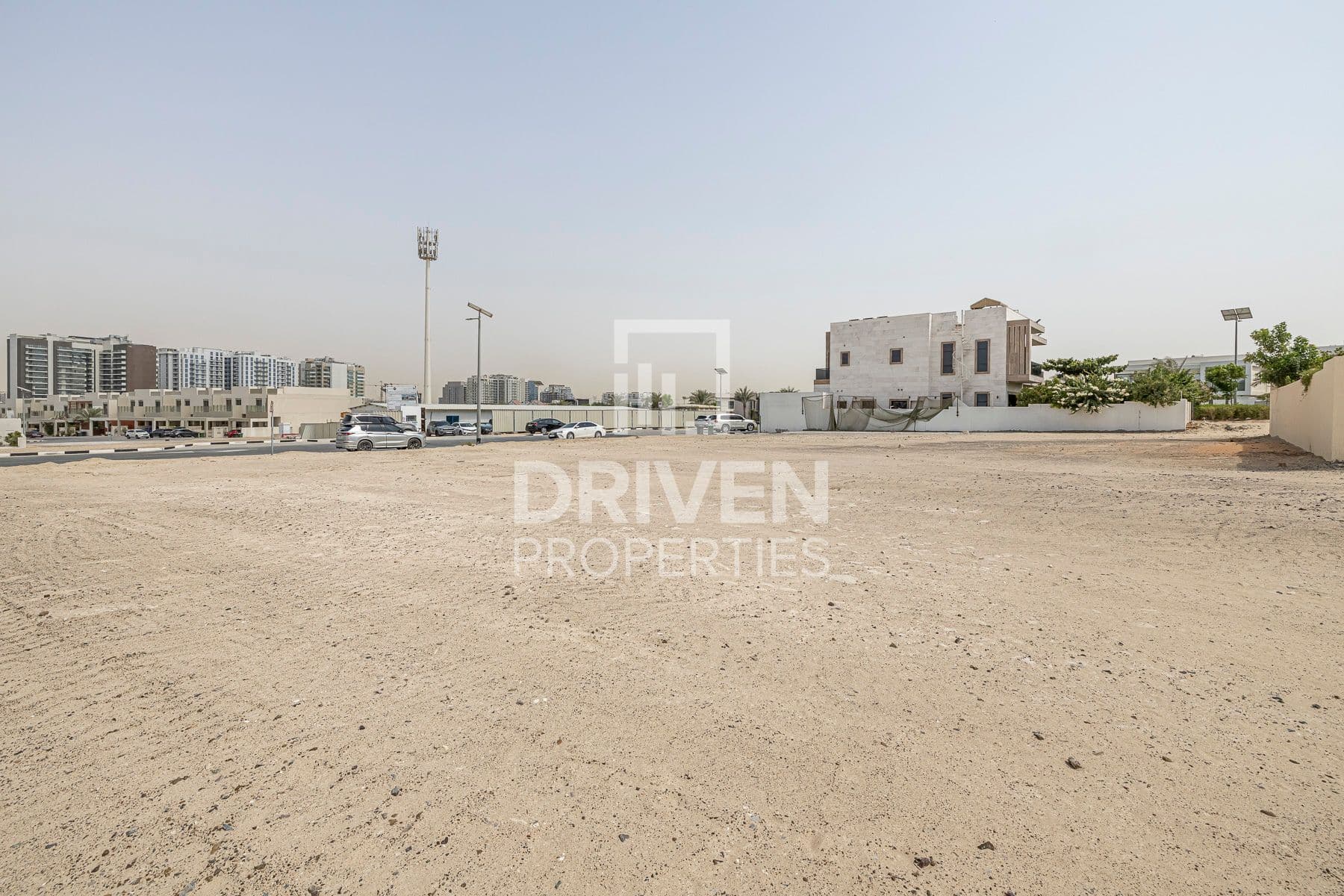
If you are looking at commercial land in Dubai, you are not shopping for a “plot.” You are buying a set of rights and limits. You are buying location access, zoning use, height rules, parking ratios, service lines, and the time it takes to move from idea to permits. That is why many buyers feel stuck at the start.
They see a price per sq ft and think the decision is simple, then they hear words like FAR, setbacks, easements, and NOCs, and the deal starts to feel unclear. This guide breaks it down in plain terms, with the steps people skip, the checks that reduce risk, and the common approval paths in 2026.
Before we get into areas and pricing, keep one point clear. Commercial land works when the use, approvals, and exit plan match from day one. So, you do not “buy land and figure it out later.” You confirm the build intent, the zoning fit, and the approval route first.
What Is Commercial Land?
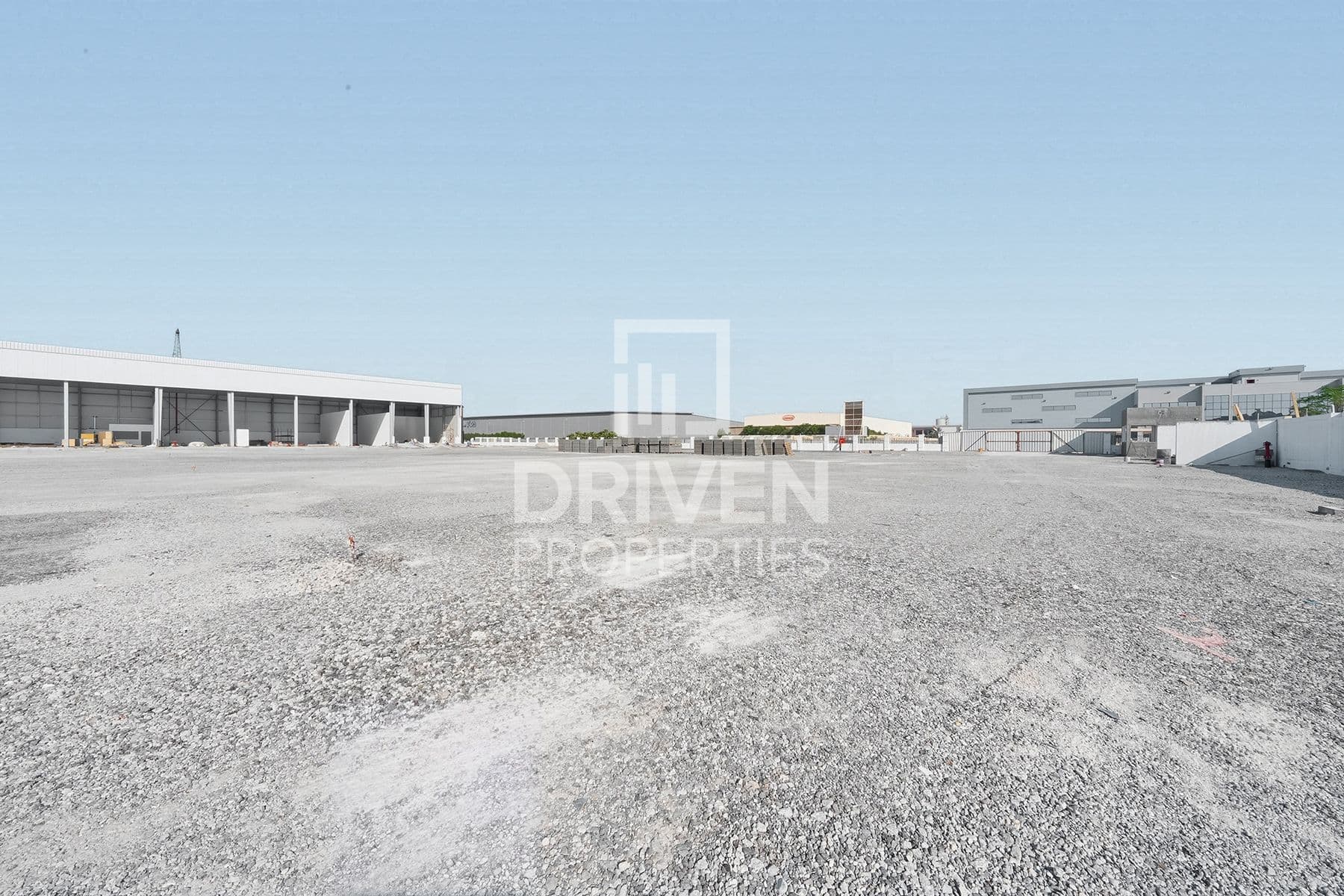
Commercial land is a plot that the planning authority allows for business use, such as offices, retail, hospitality, mixed-use, or other income activity. The exact allowed uses depend on the plot classification and the local planning map.
In practice, commercial land is not one category. It can include:
- Retail-focused plots for shops, showrooms, and street retail
- Office-focused plots for business towers, business centres, or clinics (where permitted)
- Hospitality plots for hotels, serviced apartments (where permitted), and related uses
- Mixed-use plots where commercial components and residential components may exist under one plan
- Special purpose plots for education, healthcare, or community facilities, based on approvals
The key detail is this: the “commercial” label does not mean you can build any business building you want. The plot rules define what you can build, how much you can build, and what approvals must come first.
Why Buy Commercial Land in Dubai in 2026?
In 2026, commercial land attracts buyers for one simple reason. It gives control. A built asset has a fixed design, fixed parking, fixed loading access, and fixed compliance. Land gives a buyer the option to design for demand.
From an evidence-first view, Dubai keeps improving business access, infrastructure, and district planning. That supports demand for well-located commercial space, when the product fits the district profile. At the same time, owners want assets that can be adjusted, expanded, or repositioned across cycles.
Benefits buyers chase in 2026 include:
- Design control: you choose floor plates, unit mix, frontage, and loading access
- Long-term value: good plots hold strategic value when supply tightens
- Multiple exit routes: build and lease, build and sell, joint venture, or land resale
- Better match with tenant needs: parking, delivery routes, and fit-out standards
- Phased development: in some cases, you can stage a project to manage cash flow
Barriers buyers face include:
- Approval time and NOC sequencing
- Utility capacity and connection lead time
- Cost changes across materials and contractor pricing
- Plot constraints that reduce net sellable or net leasable area
So the “why” is not hype. It is the ability to create a product that the market wants, instead of inheriting design limits from someone else’s building.
Zoning Regulations & Development Approvals
Commercial land success depends on approval logic. Zoning rules set the legal boundary. Approvals turn that boundary into a buildable project.
While the exact steps vary by location and plot type, buyers in Dubai usually deal with these topics:
1. Zoning and permitted use
You confirm the permitted use class before you treat the plot as a match. “Commercial” can still include restrictions on:
- Retail intensity
- Restaurant and café permissions
- Medical or education use
- Hotel or serviced apartment permissions
- Warehousing or light industrial limits (if near logistics corridors)
2. Development controls
This is where many buyers misread the numbers. Your concept must fit rules such as:
- FAR / GFA limits: how much built area is allowed
- Height limits: tower, mid-rise, or low-rise
- Setbacks: distance from road edges and plot boundaries
- Parking ratios: spaces per unit, per sq m, or per use type
- Access and circulation: entry points, turning radius, fire access
- Plot shape issues: corner plots, irregular plots, and easements
3. NOCs and authority coordination
A land buyer should expect a chain of NOCs. The sequence matters. If you take them out of order, time extends.
Typical items include:
- Planning approval and master developer clearances (where relevant)
- Road access and traffic study requirements (when demanded)
- Civil Defence and fire life safety review
- Utilities coordination for power, water, and telecom
- Environmental checks (in limited cases, based on use)
4. Practical techniques that reduce approval risk
These are not “tricks.” They are standard actions used by experienced buyers:
- Pre-application concept review: validate massing and access before design spend
- FAR yield test: run a fast feasibility model using real efficiency ratios
- Parking stress test: confirm parking can work without losing too much GFA
- NOC map: list each NOC, its owner, lead time, and dependencies
- Utility capacity check: confirm available load, not just “nearby connections”
After this, your land price analysis becomes cleaner because your assumptions match the plot reality.
Commercial Land Prices in Dubai (2026 Overview)
Commercial land pricing in Dubai depends on location, permitted use, plot size, road visibility, and build rights. Two plots with the same area can price far apart if one allows higher GFA or easier access.
Below is a practical table of indicative 2026 ranges. Use it as a starting point for feasibility. Final pricing depends on plot documents, zoning, and negotiation.
Area / Corridor | Typical Use Profile | Indicative Land Price Range (AED per sq ft of plot area) | Notes That Move Price |
Business Bay (selected plots) | Office, mixed-use, retail at podium | 15,667 (avg price per sqft) | FAR, view corridors, access points |
Downtown fringe (limited plots) | Premium mixed-use, retail frontage | 9,816 (avg price per sqft) | Scarcity, height rules, design controls |
Dubai South (growth zones) | Logistics-linked commercial, mixed-use nodes | ~800 – ~1,461 (asking, from live listings) | Infrastructure readiness, use mix |
Jebel Ali (selected commercial zones) | Trade, showrooms, commercial support uses | 1,021 (avg price per sqft) | Road exposure, truck access, plot size |
Sheikh Zayed Road corridor (varies) | High-visibility commercial and mixed-use | 18,688 (avg price per sqft) | Frontage, access, branding value |
These ranges help you ask better questions. For example, if a plot looks “cheap” for the corridor, confirm the build rights, setbacks, and access limits. In many cases, the lower price reflects a real constraint.
A clean pricing review in 2026 includes:
- Price per sq ft of plot area
- Expected GFA from FAR
- Net efficiency assumptions (core, parking, services)
- Total build cost estimate and finance cost
- Exit assumptions (lease rate or sale rate) based on product type
Best Areas to Buy Commercial Land in Dubai
Area choice is not only about prestige. It is about tenant demand, footfall drivers, road access, and what the plot allows you to build.
Business Bay
Business Bay remains a strong option for office-led or mixed-use concepts, due to its central position and business environment. Demand patterns often support:
- Office floors for professional firms
- Retail at podium level, when frontage and access work
- Mixed-use projects where zoning allows
Before buying, confirm parking ratios and access points. Some plots look ideal on a map, then the entry and exit constraints reduce tenant appeal.
Downtown Dubai
Downtown land is scarce. When plots appear near downtown or in the fringe, they carry a premium due to brand pull and visitor traffic.
This area works best for buyers who can handle:
- Stricter design controls
- Higher development expectations
- Stronger fit-out standards from target tenants
A practical approach here is to test the product type early. A concept that fails parking and access rules will waste months.
Dubai South
Dubai South is often evaluated for future-focused commercial demand tied to logistics, aviation, and large-scale planning. Buyers look here for:
- Larger plot sizes
- Lower entry price versus core Dubai
- Phased development options in some zones
However, timing matters. So you should test your revenue plan against delivery timeline, infrastructure maturity, and tenant absorption in your target pocket.
Jebel Ali
Jebel Ali supports trade-linked commercial use, showrooms, and supporting business functions, depending on the exact zone. It can suit operators who need:
- Practical road access
- Proximity to freight routes
- Larger layouts and loading logic
Here, the best plots are not always the most central. Often, the best plot is the one with clean truck movement and clear authority expectations.
Sheikh Zayed Road Corridor
Sheikh Zayed Road visibility drives pricing. This corridor can suit projects where branding and exposure support higher revenue, such as
- Signature commercial buildings
- Mixed-use projects with retail frontage
- Hospitality-linked concepts where permitted
The main filter is access. A plot can face the road yet have limited entry logic. So review service roads, ramps, and turning movements before you treat it as a premium site.
Commercial Land vs Residential Land
Commercial land and residential land differ in allowed use, demand drivers, approvals, and exit routes.
Commercial land tends to offer:
- Higher income potential when demand fits
- More complexity in approvals and design
- Wider tenant mix and lease structures
- Greater sensitivity to access, parking, and visibility
Residential land tends to offer:
- More standard product templates
- Faster benchmarking against comparable units
- Demand tied to household budgets and location preferences
- Different regulation and community service requirements
A simple way to compare is this. Residential land value often follows “livability and community.” Commercial land value often follows “access, use rights, and revenue design.”
Who Should Invest in Commercial Land in Dubai?
Commercial land is not for every investor. It suits buyers who can plan, hold, and execute.
It tends to match:
- Developers who can manage approvals, contractors, and phased delivery
- Business owners who want a purpose-built facility or income asset
- Family offices seeking long-term holds with flexible exit options
- Joint venture partners who bring land, capital, or development skill
- Institutional buyers targeting stable leased assets after development
It may not fit buyers who need quick resale without permits, or buyers who do not want to handle project risk. In that case, a completed commercial asset may fit better.
A simple readiness check:
- Can you hold the land through approvals and early design?
- Do you have access to project management support?
- Do you have a clear plan for lease, sale, or partnership?
- Do you understand the cash flow schedule and payment milestones?
Dubai Commercial Land Market Outlook in 2026
The 2026 outlook depends on planning discipline and product fit. Dubai remains a business-driven market with active district development, and that supports commercial space demand in the right pockets.
In 2026, buyers focus on three themes:
- Practicality over pure prestige: Projects with strong access, parking, and efficient layouts win tenants and buyers.
- Compliance and speed: Clean approval paths and realistic timelines protect returns.
- End-user alignment: Retail, offices, hospitality, and trade uses each have different needs. Land works when the end product matches those needs without forced design.
At the same time, barriers remain. Approval lead times, utility coordination, and build costs still shape decisions. For that reason, smart buyers treat feasibility as a required step, not an optional step.
A workable action plan in 2026 looks like this:
- Shortlist plots based on use rights, not marketing labels
- Run a fast concept test for GFA, parking, and access
- Map the NOC path and expected timeline
- Build a feasibility model with conservative efficiency assumptions
- Decide your exit route before you sign, not after
This approach reduces surprises and improves negotiation power.
Final Thoughts
Buying commercial land for sale in Dubai in 2026 works best when you treat it as a structured project from day one. You confirm the use, test the build rights, plan approvals, and model the numbers with clean assumptions. Then you choose a location that fits your product and exit route, not a location that only looks good on paper.
If you want a shortlist of commercial plots that match your use case, and you want a clear view of zoning, approvals, and feasibility before you commit, we at Driven Properties can support the process from plot screening to deal closure.
Frequently Asked Questions:
1. Can foreigners buy commercial land in Dubai?
Yes, in designated freehold areas. Eligibility depends on the plot location and title type. A title review confirms the legal position.
2. What can be built on commercial land in Dubai?
It depends on the permitted use and zoning. Plots may allow offices, retail, hospitality, or mixed-use, with limits on height, GFA, and parking.
3. Are approvals required before development?
Yes. You need planning approvals and NOCs before construction. The steps depend on the plot, master developer rules, and the final building use.
4. Is commercial land a good investment in 2026?
It can be, when the plot has clear build rights, strong access, and a realistic exit plan. Feasibility checks and approval planning protect returns.
5. What is the difference between commercial and industrial land?
Commercial land targets business and customer activity. Industrial land targets production, storage, and logistics uses, with different rules for access, safety, and utilities.
6. How long do commercial land approvals take in Dubai?
Timelines vary by plot and use. Concept review, NOCs, and utility coordination often take months. A mapped approval plan gives a clearer range.