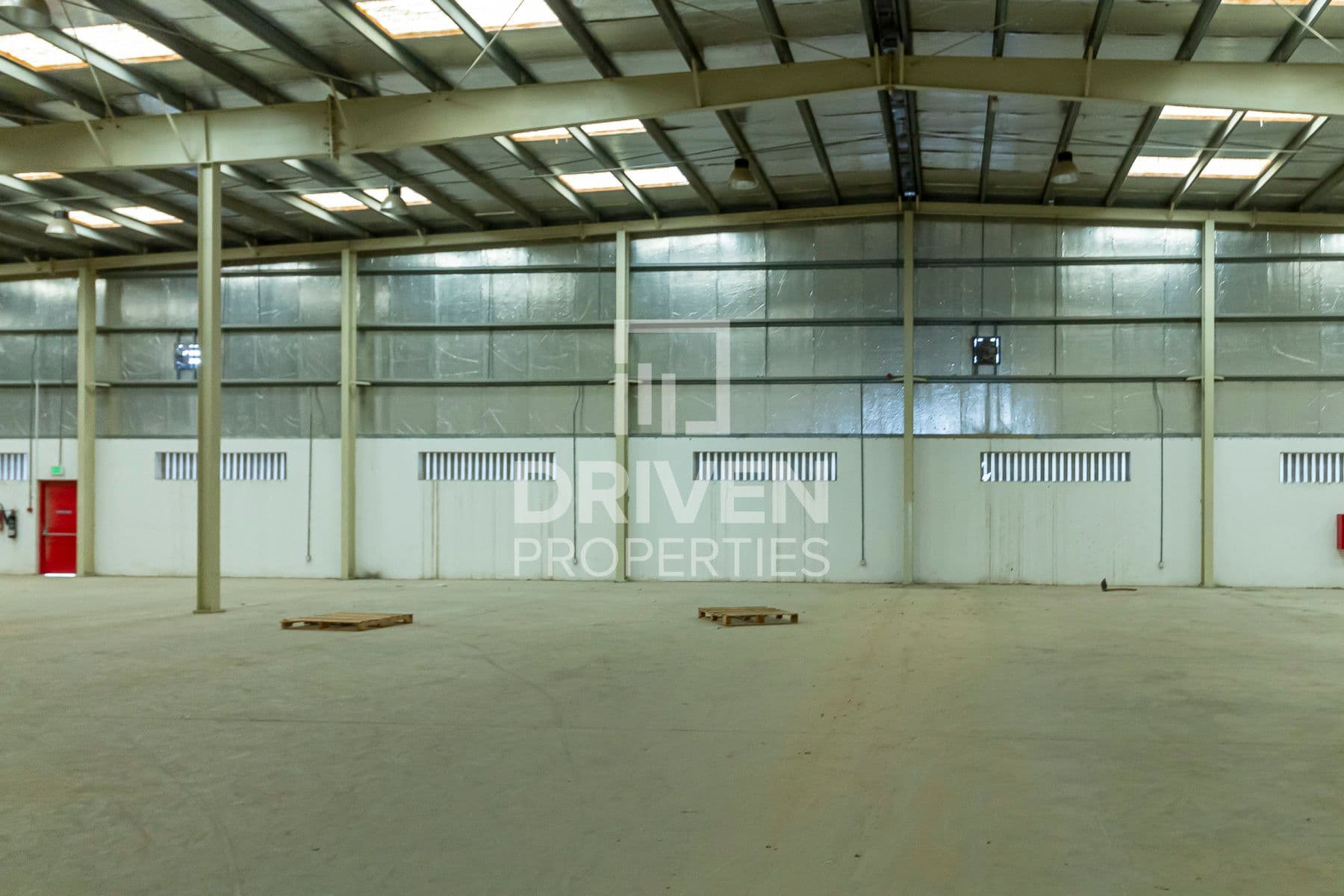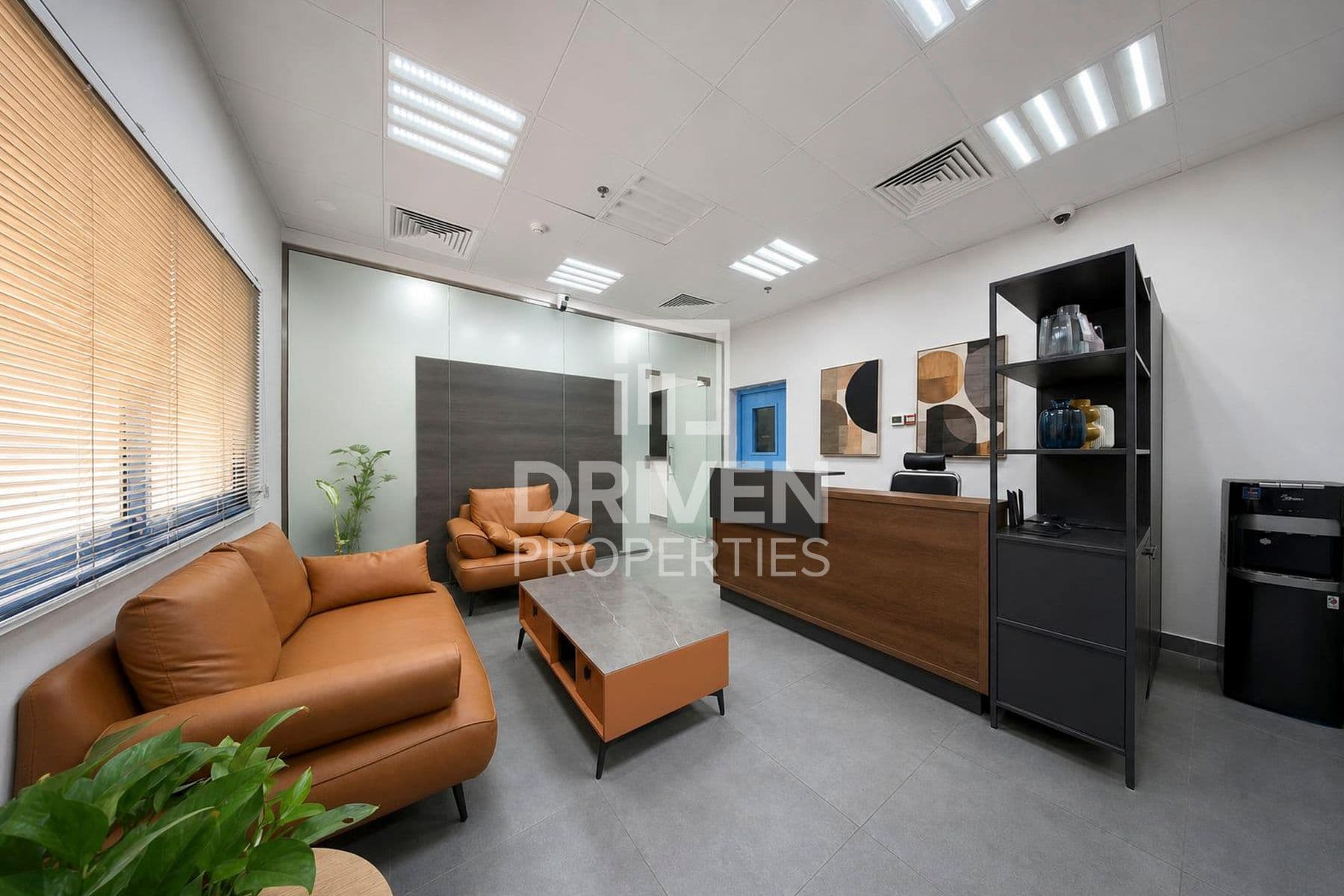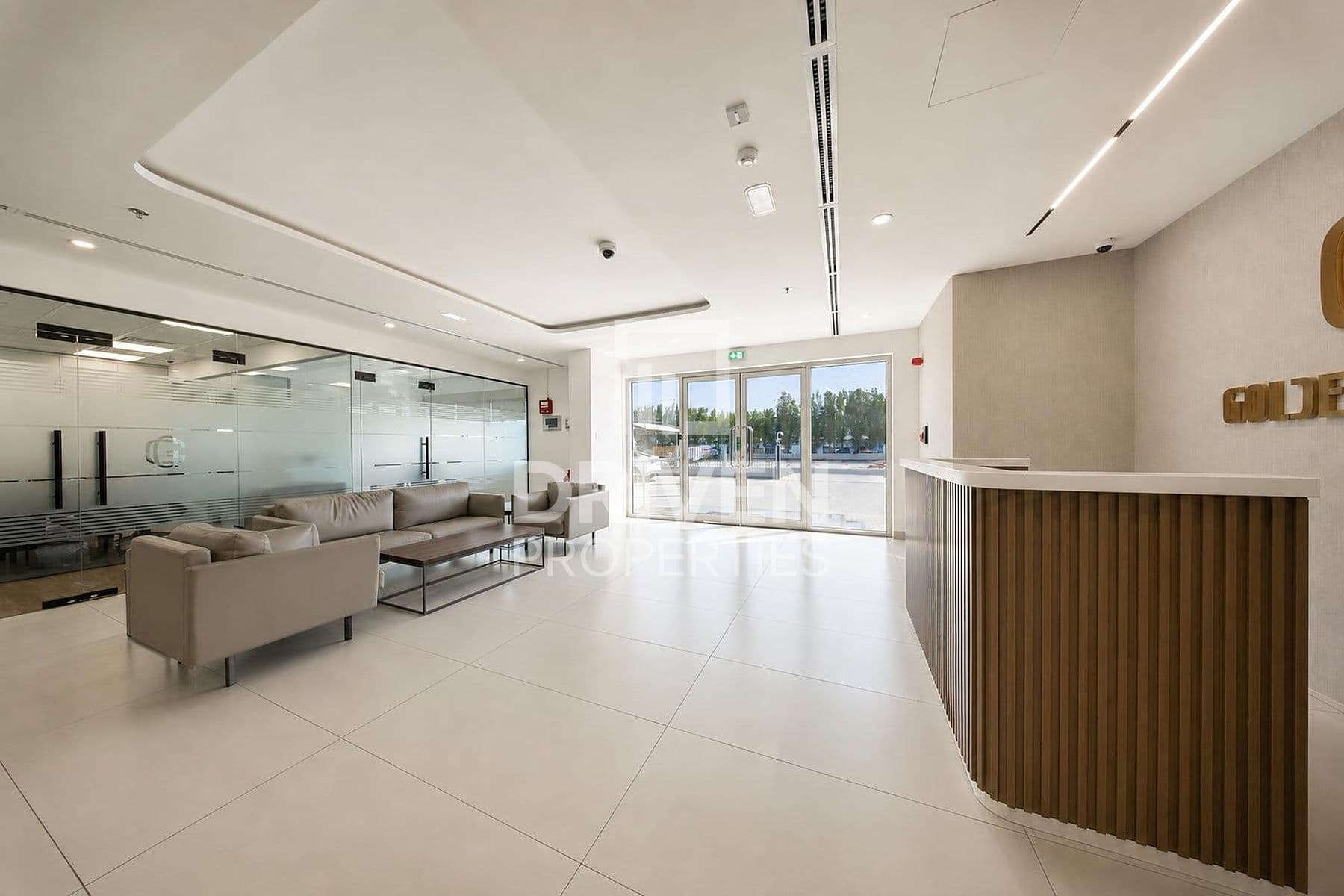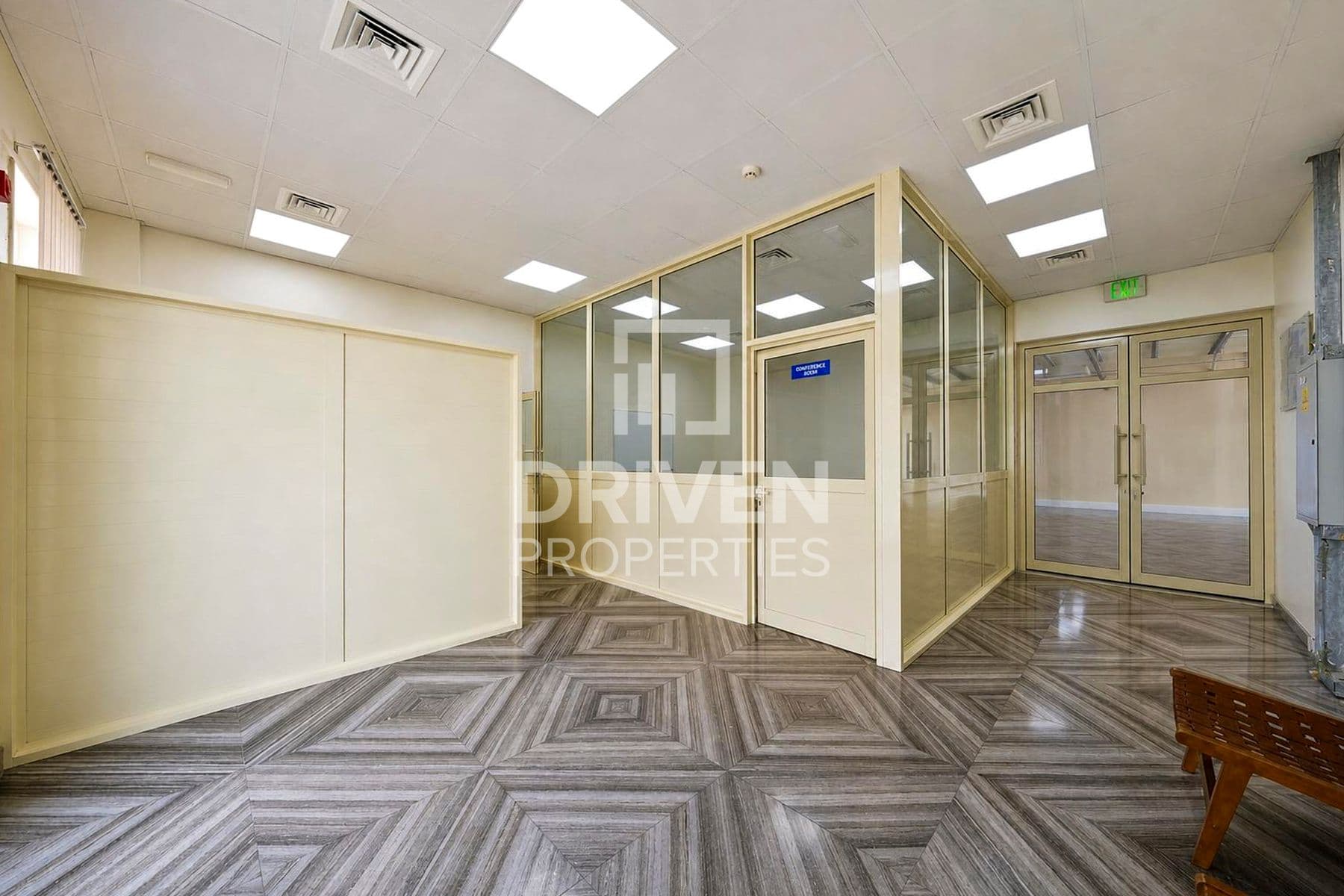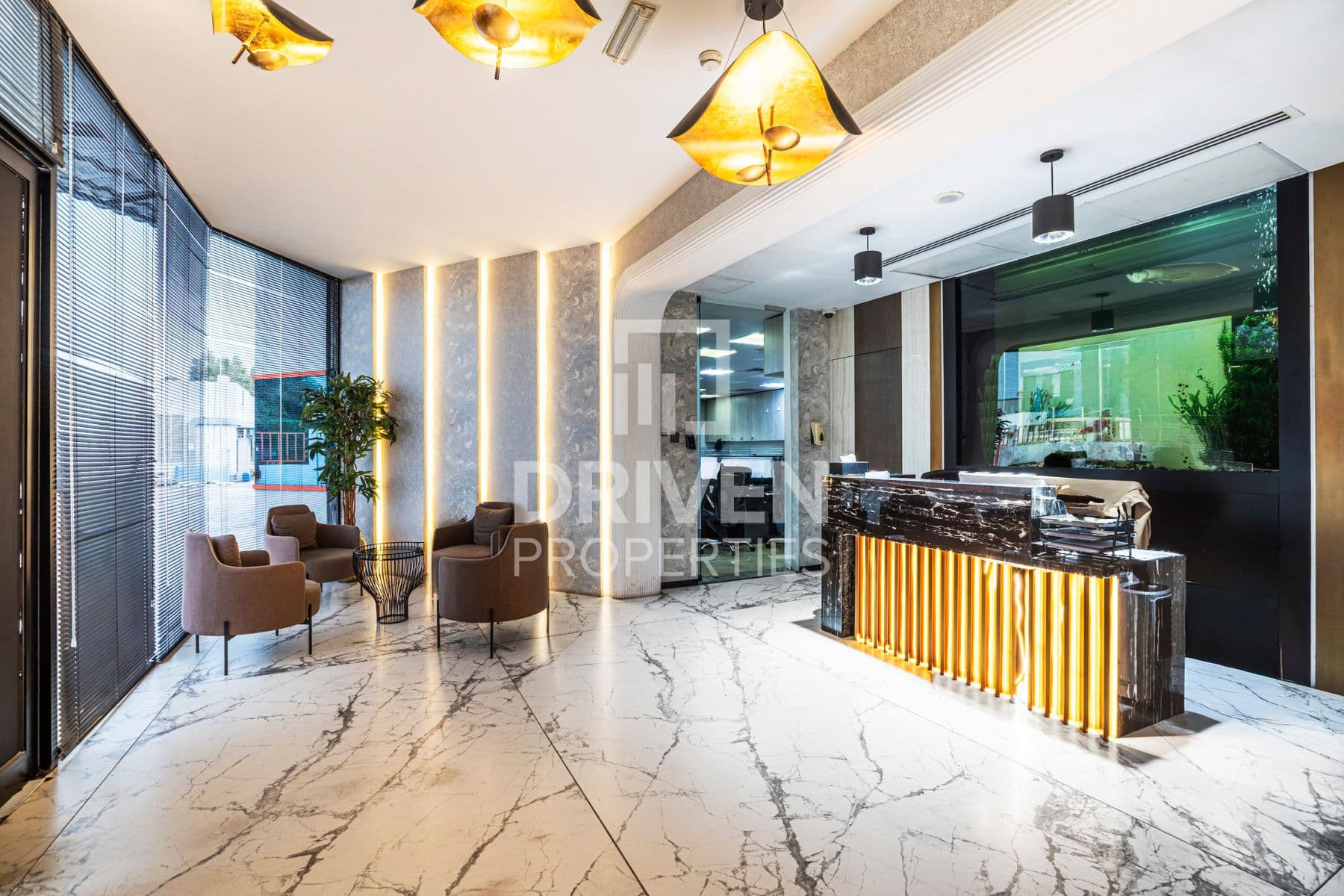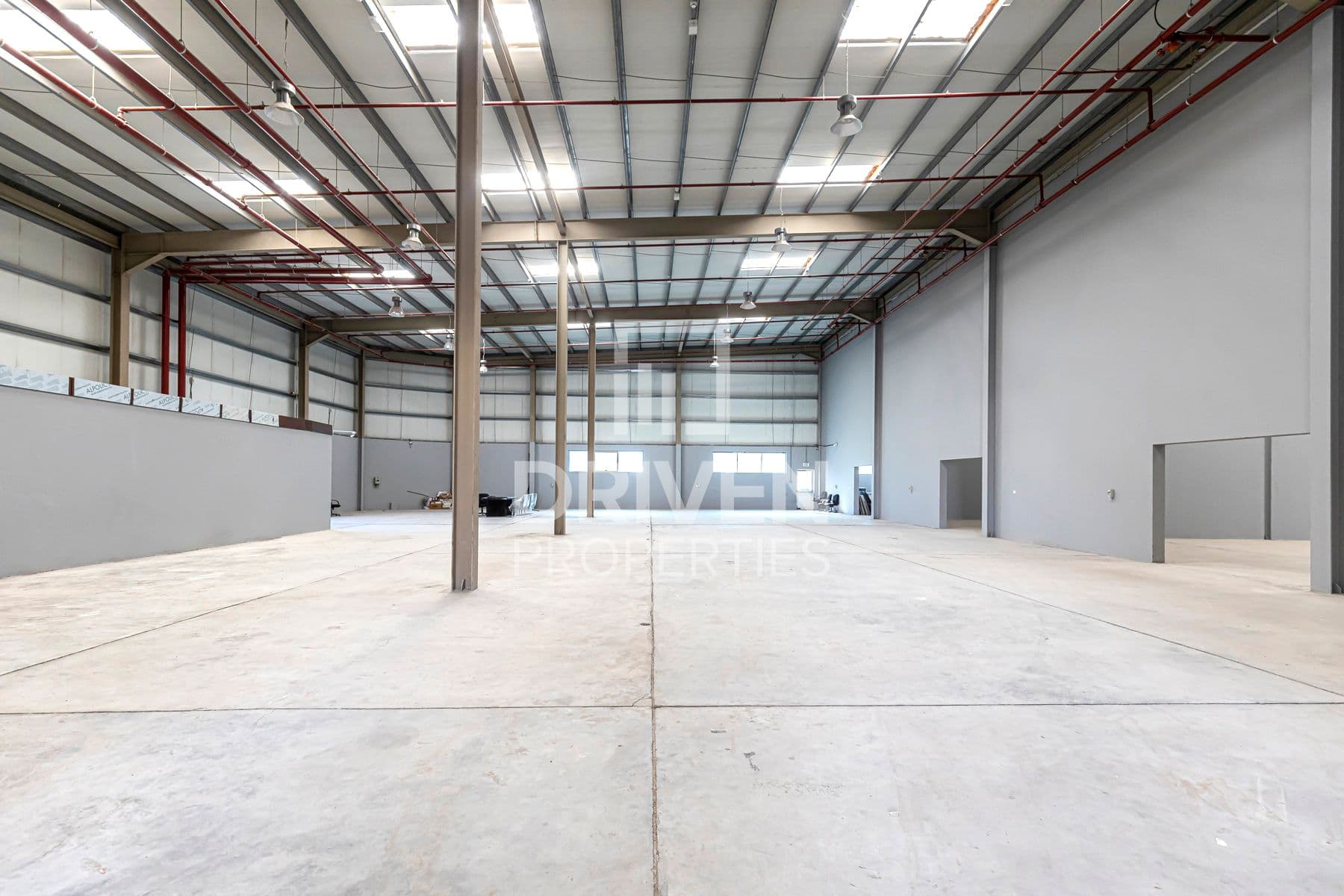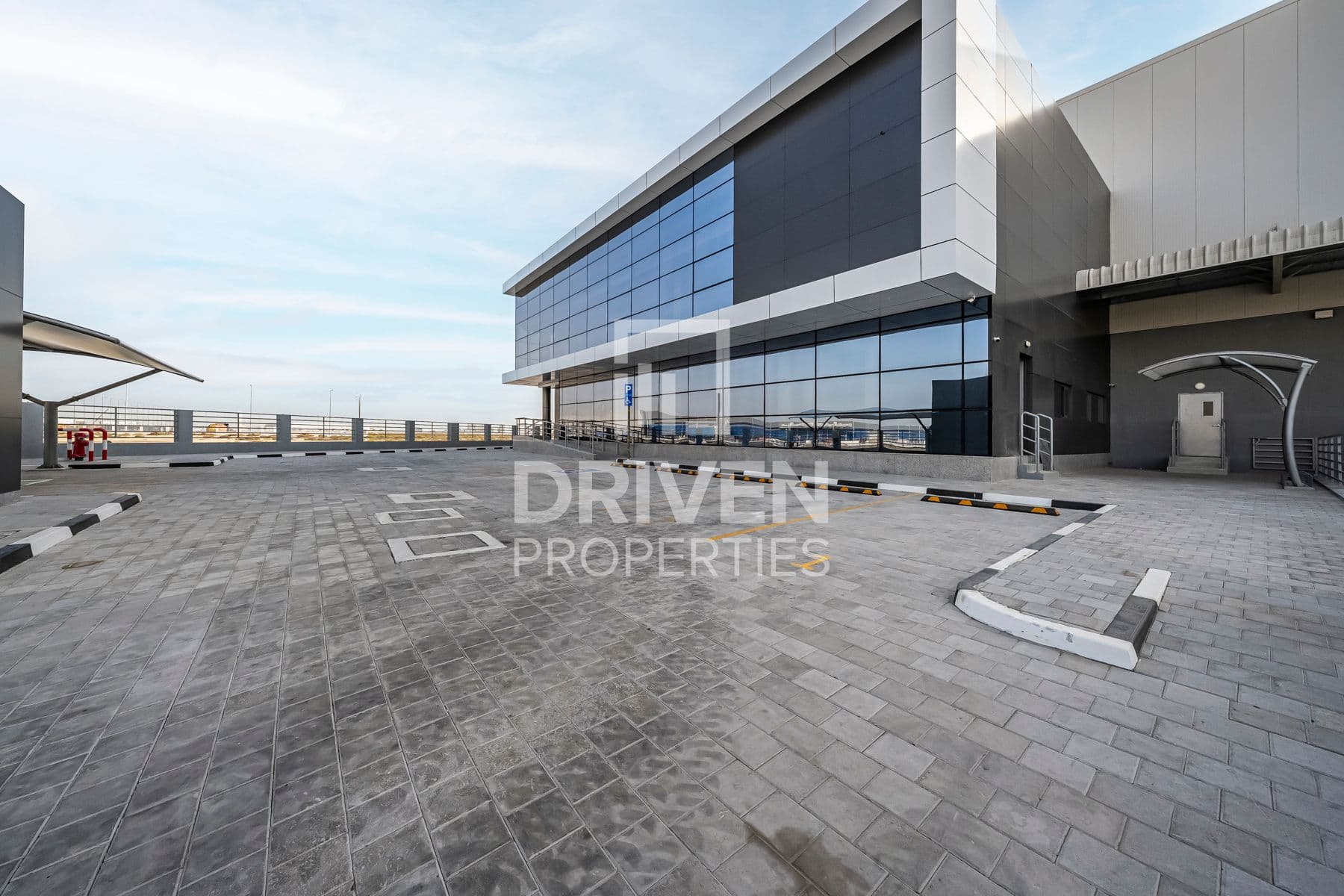
Dubai enjoys a very dynamic and booming economy, making it a hub for local, regional, and international companies. The myriad of businesses operating in this Emirate frequently need to buy warehouses in Dubai to store their goods, which would streamline their business operations.
Warehouses for sale in Dubai continue to attract consistent demand, supported by the city’s position on major trade routes and its ongoing expansion of industrial supply. Many companies require a storage warehouse in Dubai to keep inventory close to ports, airports, and key highways, which helps maintain efficient distribution and smoother day-to-day operations. Demand comes from more than large corporations. SMEs often seek a warehouse for sale in Dubai to reduce recurring rental exposure, while operators of logistics warehouses in Dubai prioritize locations that support regular movement across the UAE and the wider GCC. Investors also remain active, as Dubai industrial real estate can deliver steady leasing interest when the asset sits within the right commercial zone.
If you are looking for a warehouse for sale in Dubai, here is some important information that will help you in your search.
The Most Popular Areas to Buy Warehouses in Dubai
Many areas offer warehouses for sale in Dubai and most of them are located in commercial and industrial neighborhoods. Providing warehouses that cater to different business needs; these areas are usually strategically located near ports and major roads for easy transportation. Here are some of the most popular areas:
Jebel Ali
Home to the Jebel Ali Free Zone Authority (Jafza), with direct access to Jebel Ali Port; here you can find a freehold warehouse for sale in Dubai.
Dubai Investments Park (DIP)
Located in the southern part of Dubai, DIP is a prominent onshore location for major companies.
Al Quoz
Centrally located, this commercial district features factories and warehouses.
Dubai Industrial Park
Formerly known as Dubai Industrial City, this onshore industrial zone offers pre-built warehouses.
Dubai South
Located near Al Maktoum International Airport and the Expo 2020, this free zone is ideal for global logistics and distribution.
Jumeirah Lake Towers (JLT)
This free zone offers a variety of commercial spaces, including offices and shops.
International City
With easy access to the Ras Al Khor Industrial Area, International City offers commercial shops and warehouses.
Types of Warehouses Available for Sale in Dubai
Dubai’s real estate market offers different types of warehouses available for sale, catering to different business needs, industries, and budgets. Here are the main types of warehouses that you can purchase in Dubai:
1. General Storage Warehouses:
These are usually used for storing goods, raw materials, and inventory, making them suitable for businesses that need a dry and secure storage space. You can usually find such warehouses in Al Quoz, DIP, and Dubai Industrial Park.
2. Cold Storage Warehouses:
These warehouses are equipped with refrigeration and freezing units for perishable goods, making them the ideal solution for food distributors, pharmaceutical companies, and supermarkets. They can be found in Dubai South, Jebel Ali, and Al Quoz.
3. Light Industrial Warehouses:
These warehouses are designed for small-scale manufacturing, assembly, and packaging and often include office space and loading bays. You can buy light industrial warehouses in areas like DIP, Ras Al Khor, and Jebel Ali.
4. Logistics and Distribution Warehouses:
These large-scale warehouses are used for supply chain operations and feature high ceilings, multiple loading docks, and automated storage. These can be found predominantly in Dubai South, Jebel Ali, and Dubai Industrial Park.
5. Free Zone Warehouses
As their name indicates, these warehouses are located in free zones and offer tax benefits and 100% foreign ownership, making them ideal for international businesses and trading companies.
Look for such warehouses in JAFZA, Dubai South, and Dubai Airport Free Zone (DAFZA).
6. High-Power Warehouses
These warehouses cater to the needs of businesses that require high electricity consumption, such as heavy manufacturing industries, auto workshops, and tech firms. These can be found in areas like Al Quoz and Dubai Industrial Park.
7. Open Yard Warehouses
These warehouses comprise an outdoor storage area, making them suitable for storing construction materials, heavy machinery, and bulk goods. They are usually located in Jebel Ali, DIP, and Ras Al Khor.
8. Showroom Warehouses
These warehouses combine storage areas with a retail showroom, making them ideal for businesses operating in the sector of furniture, automobiles, and hardware. Look for such warehouses in prime locations like Al Quoz and Sheikh Zayed Road.
Freehold vs Leasehold Warehouses
Freehold and leasehold both work in Dubai, but they suit different plans. A buyer planning long operations or a warehouse investment in Dubai often leans toward ownership, while short-term operators may prefer a lease structure.
Point | Freehold warehouses in Dubai | Leasehold warehouses | |
Ownership | Buyer owns the unit title | Buyer leases for a fixed term | |
Best for | Long-term operations and holding | Shorter plans or flexible relocation | |
Resale option | Can resell the unit (subject to rules) | No resale, only lease transfer if allowed | |
Finance appeal | Often stronger for bank funding cases | Funding depends on lease term and structure | |
Control on fit-out | Higher control on upgrades and layout | More limits and landlord approval may apply | |
Cost planning | Upfront is higher, but stable in the long view | Lower entry, but rent may rise later | |
Common buyer type | End-users and investors | Businesses testing a new location | |
Typical demand zones | Also includes free zone options and select onshore | Common across many industrial districts |
The right choice depends on how fixed the business plan is and how much control is needed over the unit. For logistics warehouses in Dubai, access and zoning matter as much as ownership type, so both must be checked together.
Benefits of Purchasing a Warehouse in Dubai
There are many advantages to purchasing a warehouse in Dubai. It is a lucrative investment for businesses and investors alike, due to the city’s strategic location, advanced infrastructure, and ease of doing business. We’ve summarized below the most important pros for buying a Dubai warehouse for sale.
1. Strategic Location
Dubai constitutes a global trade hub thanks to its central location in the GCC. The city also enjoys excellent connectivity via air, sea, and land.
2. Free Zones
Dubai boasts free zones that offer warehouses such as JAFZA, Dubai South, and DAFZA. In these areas, foreign investors enjoy 100% ownership, zero corporate tax, and duty-free imports and exports.
3. Government Support and Business-Friendly Policies
Dubai’s government actively supports the industrial and logistics sectors through its policies, tax law, and facilitations offered to businesses.
4. High-Quality Infrastructure & Facilities
The emirate of Dubai boasts one of the world’s most advanced infrastructures. Warehouses there come with modern amenities, advanced security, and high-tech logistics solutions.
Why Buy a Warehouse from Driven Properties
With a wealth of experience, a highly qualified team, and an expansive network of connections among developers, Driven Properties is your ideal partner who helps you scour the real estate market of Dubai and find the warehouse that meets your business needs. We will also streamline the process of acquiring the paperwork, setting up the sales contract, and finalising the legal procedures until the transfer of ownership.
How to Buy Warehouse in Dubai
The process of buying a warehouse in Dubai is similar to that of buying any real estate property. First, you will need to decide on the property you wish to buy. You can browse listing websites, talk to real estate agents, or even visit the property yourself. Then, you need to draw up a purchase agreement and iron out all the important details. After acquiring a “no objection certificate” from the developer, you can head to the Dubai Land Department to finalize the paperwork and transfer ownership.
Step-by-Step Guide to Buying a Warehouse
Buying a warehouse unit is simple when the steps stay clean. This guide fits buyers who want to buy a warehouse in Dubai for business use or for leasing.
1. Set the purpose first
Decide if the unit is for storage, light industry, distribution, or showroom use. This choice shapes the location, power needs, and fit-out. It also helps filter the right cost of warehouses for sale in Dubai early.
2. Shortlist the right area
Pick zones based on daily movement and clients. For example, many buyers shortlist warehouse units for sale in Jebel Ali when port access matters. Others pick central industrial zones when delivery routes need shorter drive time.
3. Check title type and eligibility
Confirm if it is freehold or leasehold, and whether the buyer profile fits the rules in that zone. If the plan is long-term holding, many buyers prefer freehold warehouses in Dubai for clearer control.
4. Review unit specs on site
Visit and verify ceiling height, loading access, dock space, turning radius for trucks, ventilation, drainage, and fire safety setup. If the unit is meant to be a storage warehouse in Dubai, check layout efficiency and racking suitability. For logistics use, check yard space and vehicle entry.
5. Confirm zoning and permitted activity
Match the warehouse use with Dubai Municipality and zone rules. Some units suit only storage, while others allow light manufacturing or workshop activity. This step prevents delays later.
6. Run a cost sheet, not only the price
Beyond the purchase price, include DLD fees, registration, agent fee, NOC if needed, valuation, and service charges. This gives a real picture of the deal, especially for a commercial warehouse for sale.
7. Negotiate terms and sign the agreement
Agree on price, payment schedule, inclusions, handover date, and any repairs. Keep all terms written, clear, and final before moving forward.
8. Get the NOC and complete transfer
Secure the no objection certificate from the developer or authority if required, then complete the transfer at the Dubai Land Department or the relevant free zone authority. After that, ownership updates and title documents get issued.
9. Plan the operational setup
Arrange utilities, fit-out, racking, office partitions if needed, and access control. For warehouse investment in Dubai, plan leasing terms, tenant profile, and maintenance handling from day one.
If the goal is Dubai industrial real estate for steady leasing, focus on build quality, access routes, and demand strength in that district. Those points keep the asset easier to lease and easier to exit later.
Small Warehouse for Sale in Dubai
If you're looking to purchase a small warehouse in Dubai, you can consider several areas that offer options suitable for your business needs. These areas include Al Quoz, which is a prime industrial district known for its accessibility and established infrastructure; Dubai Investment Park (DIP), where you can find a mix of industrial and commercial properties; Ras Al Khor industrial zones, which offer warehouses suitable for storage and light manufacturing; and Jebel Ali Free Zone (JAFZA), which is a significant trade and logistics hub with tax exemptions and full foreign ownership.
Freehold Warehouse for Sale in Dubai
If you are looking for a freehold warehouse for sale in Dubai, you can consider the various freehold areas where both UAE nationals and foreign investors can 100% own property. The most prominent industrial freehold areas of the city are Jebel Ali Free Zone (JAFZA) - one of the largest free zones in Dubai; Dubai Industrial City (DIC), Dubai South, Dubai Investments Park (DIP), Al Quoz, Ras Al Khor Industrial Area, and Nadd Al Hammar.
Buy Dubai Warehouses in the Popular Free Zones
In addition to its freehold areas, Dubai has several free zones that offer warehouses for sale. These areas provide businesses with tax benefits, full foreign ownership, and strategic locations. We invite you to consider Jebel Ali Free Zone (JAFZA), Dubai South Free Zone, Dubai Industrial City (DIC), Dubai Investments Park (DIP) Free Zone, Dubai Airport Free Zone (DAFZA), and Meydan Free Zone.
Ready-to-use and multi-purpose warehouses in Dubai
Ready-to-use warehouses are fully constructed warehouses that you can move into and operate immediately. They often come with built-in offices, storage areas, and loading docks. Multi-purpose warehouses are versatile spaces where you can conduct various types of business activities such as storage, distribution, light manufacturing, retail, and logistics. You can find such warehouses in Al Quoz Industrial Area, Dubai Investment Park (DIP), Jebel Ali Free Zone (JAFZA), Dubai Industrial City (DIC), Ras Al Khor Industrial Area, Dubai South and Nadd Al Hammar
Key Factors to Consider When Choosing a Warehouse Space
Selecting the right warehouse plays a crucial role in business, as it contributes to efficiency, cost-effectiveness, and long-term operations. Here are some essential factors to consider when choosing the right warehouse to buy in Dubai:
1. Location and accessibility:
Make sure it is located near major highways, ports, and airports (e.g., Sheikh Zayed Road, Jebel Ali Port, and Al Maktoum Airport) so that your suppliers, customers, and employees can easily reach it.
2. Adequate space:
Make sure the total area, ceiling height, and storage capacity meet your current business needs and are enough for future expansions.
3. Zoning and usage permissions:
Ensure the warehouse complies with Dubai Municipality zoning laws for your business activity.
4. Infrastructure:
Check if the facilities available meet your business requirements, such as loading docks, ramps, forklifts, ventilation, drainage, and temperature control. You can also keep an eye out for sufficient electricity capacity for machinery and operations and the availability of water, drainage, a fire safety system, CCTV surveillance, and security personnel.
Cost of Warehouses in Dubai
The cost of warehouses in Dubai varies based on the location, size, layout, amenities, and use. Here’s a table that highlights the range of prices of warehouses in various popular areas in Dubai.
Area | Price Range (AED) | Size Range (sq. ft.) | Notes |
Jebel Ali | 2,995,000 – 16,000,000 | 2,000 – 78,835 | Proximity to Jebel Ali Port; includes Freezone options. |
Al Quoz | 5,200,000 – 30,000,000 | 13,887 – 45,000 | Central location; suitable for various industries. |
Dubai Investment Park (DIP) | 9,700,000 – 30,000,000 | 25,009–108,395 | Mixed-use development; includes warehouses with office spaces. |
Dubai Industrial City | 15,000,000 – 48,500,000 | 17,000 – 260,903 | Industrial hub; suitable for manufacturing and logistics. |
Technology Park | 15,000,000–23,000,000 | 20,000–70,000 | Modern facilities; suitable for tech and industrial businesses. |
Al Qusais | 5,500,000 – 10,000,000 | 10,000–11,000 | Established area; includes cold storage options. |
Nadd Al Hammar | 21,000,000 | 18,565 | Growing industrial hub; modern facilities. |
ROI for Warehouses for Sale in Dubai
Investing in a warehouse in Dubai can be beneficial for your business, as it would spare you rental expenses. As for investors, it can provide them with good ROI in rental yields. The table below sheds some light on the investment potential of warehouses:
Location | Average Rental Yield (%) | Average Annual Rent (AED/sq. ft.) | Investment Potential |
Jebel Ali Free Zone (JAFZA) | 8% - 12% | 30 - 45 | High due to port access |
Dubai Investment Park (DIP) | 7% - 10% | 25 - 40 | Strong demand from logistics companies |
Al Quoz Industrial Area | 6% - 9% | 35-50 | Central location, high demand |
Dubai South | 8% - 11% | 28 - 38 | Growing demand for e-commerce logistics |
Dubai Industrial City (DIC) | 7% - 10% | 22 - 35 | Suitable for manufacturing businesses |
Ras Al Khor | 6% - 9% | 30 - 45 | Proximity to central business areas |
Nadd Al Hammar | 7% - 10% | 25 - 40 | Developing industrial hub |
Costs Associated with Buying a Warehouse in Dubai
There are some costs associated with buying a warehouse in Dubai. Most of these costs are fees paid to the authorities and regulating bodies such as DLD to register this property. There are also some fees related to setting up essential services such as water and electricity. We have detailed below the most common costs for a warehouse whose price is estimated at AED 10M.
Expense | Estimated Amount (AED) |
Property Price | 10,000,000 |
Dubai Land Department Fee (4%) | 400,000 |
Title Deed Registration | 4,000 |
Real Estate Agent Commission (2%) | 200,000 |
No Objection Certificate (NOC) | 10,000 |
Valuation Fee | 5,000 |
Total Upfront Costs | 10,619,000 |
Annual Running Costs (~3%) | 300,000 - 500,000 |
Dubai Warehouse Market Trends in 2026
In 2026, warehouse buyers in Dubai keep looking for control, speed of movement, and lower long-term operating friction. The market is not only about finding space. It is about getting a unit that matches licensing, access routes, truck flow, power load, and fire compliance, from day one. Many buyers also ask for units that can support growth without a second move after 12 to 24 months.
A few trends show up more in 2026 than before:
- More focus on logistics-grade layouts: higher clear height, clean loading access, wider gates, and better yard use.
- Higher demand for ready units: buyers prefer units that can start work with less fit-out time.
- Stronger screening for compliance: civil defence approvals, fire systems, and approved mezzanine use get checked early.
- More activity around multi-purpose stock: storage plus office space, or storage plus light industrial use, based on zone rules.
- More attention to power capacity: high-power units attract users with heavy equipment, workshop lines, or cold storage needs.
A practical note for 2026: many buyers now ask for the “cost sheet” before they agree on the final unit. Not only the price. They want service charges, authority fees if any, and expected fit-out spend in the same page. That request is normal now.
Who Should Buy Warehouses in Dubai?
Buying a warehouse in Dubai fits buyers who want stable operating control, or buyers who want leased income with a clear tenant profile. It also fits companies that spend a large amount on rent each year and prefer to shift that spend into an owned asset, when the plan is long-term.
Buyer profiles that fit warehouse ownership
1. Logistics and distribution operators
These buyers need predictable access and daily movement. They often prefer zones with smooth truck flow and shorter travel time to ports, airports, and highways. Many ask for multiple loading points, good yard depth, and a clean route plan for drivers.
2. Trading companies and import-export firms
These buyers look for storage near freight corridors and prefer clear procedures for stock handling. They also focus on documentation flow, customs handling paths, and simple access rules for staff and vehicles.
3. E-commerce fulfilment and retail back-end teams
They often need packing space, racking-friendly layouts, and a setup that supports frequent inbound and outbound trips. Many also ask for a small office block inside the unit for admin and customer support.
4. Light industrial users
This group includes assembly, packaging, fabrication, and controlled workshop activity, based on zone rules. They tend to check power load, ventilation, drainage, and the ability to add safe partitions.
5. Cold chain users
Food distribution, pharma handling, and temperature-controlled operators fall here. They look for stable power, backup options, and safe loading areas that reduce product exposure during transfers.
6. Investors with a leasing plan
This buyer group usually looks for: (a) zones with steady tenant demand, (b) units that are easy to lease, and (c) layouts that fit more than one tenant type. Many investors avoid units that only fit one narrow use, because re-leasing can take longer.
Common “buy” reasons (short bullets)
- Rent spend is high and the use plan is long-term.
- Fit-out cost is high, so moving again later is not preferred.
- The business needs a fixed base for supply planning.
- The buyer wants control over layout, access, and upgrades.
If you want, I can also add one short H3 under either section called “Documents to prepare before viewing warehouses” (only bullets, no web data), and keep the same writing rules.
Warehouse Investment Opportunities in Dubai
Warehouses for sale in Dubai appeal to two buyer groups. One group wants a working asset for business use. The other wants an income-producing property with stable demand from occupiers. In both cases, the value usually comes from location quality, access, and how well the unit fits regular industrial use.
A good warehouse investment in Dubai is rarely judged by price alone. Buyers usually look at the full picture before they move ahead:
- Road links that support regular truck entry and dispatch
- Zoning that matches storage, distribution, or light industrial use
- Power load, loading access, and clear internal height
- A layout that can suit future leasing or resale without major changes
This is why a well-chosen industrial warehouse Dubai unit often holds interest in the market for longer. The same applies to a commercial warehouse for sale with practical specifications and clean operational access. When the unit works for more than one business type, the asset usually becomes easier to position later.
Buying vs Renting a Warehouse in Dubai
Buying and renting solve different business needs. The right option depends on budget, operating plans, and how fixed the company expects its location to be over time. Businesses with a longer plan often prefer to buy warehouse Dubai property because ownership gives more control over fit-out, internal changes, and future cost planning.
Renting can still suit companies that want to stay flexible or keep capital free for stock, equipment, and staffing. That said, many firms move toward ownership once rent starts taking too much from the yearly budget. For them, owning a storage warehouse Dubai unit or a logistics warehouse Dubai facility creates more stability and makes planning easier across the next stage of growth.
Final Thoughts
Buying a warehouse is not only about securing space. It is also about choosing the right zone, the right specifications, and a setup that supports your business plan over time. Whether you are looking for warehouses for sale in Dubai for direct use or for long-term holding, the right property can give you stronger control, better operational flow, and more value in the years ahead.
At Driven Properties, we help buyers identify suitable warehouse options across Dubai’s key industrial areas, review the practical details that affect long-term use, and move through the purchase process with more clarity. If you are planning to buy a warehouse in Dubai, we are here to help you find the right fit with confidence.
Frequently Asked Questions:
1. Is buying a warehouse in Dubai a good investment in 2026?
Buying a warehouse in Dubai in 2026 can be a good option because the city supports trade and logistics activity and offers the chance for steady rental income. It also gives owners more control over long-term operating costs and unit use.
2. Is it better to rent or buy warehouse space in Dubai?
The choice between renting and buying depends on many factors, such as the capital you have available, your business needs, and long-term plans. Purchasing is a great investment and spares your rental costs, while renting is more flexible.
3. Can expats buy warehouses in Dubai?
Yes, expats can purchase warehouses in designated freehold areas of Dubai, where they enjoy full ownership rights.
4. What are the best areas in Dubai to purchase a warehouse?
Top areas include Dubai Investment Park, Jebel Ali, and Al Quoz, thanks to their strategic locations and high demand.
5. How to start a warehouse business in Dubai?
To start a warehouse business in Dubai, register your company, obtain the necessary licenses (with general warehouse licenses starting from AED 30,000), secure suitable warehouse space, and comply with local regulations.
6. How much does it cost to open a warehouse?
Opening a warehouse in Dubai involves costs such as acquiring a license, warehouse rental or purchase, equipment, and operational expenses. The total initial costs can range from AED 30,000 to AED 100,000 or more, depending on your business needs.
7. What things must be considered while buying a warehouse in Dubai?
Key considerations include location close to transportation hubs, the infrastructure needed for your operation, zoning, and potential return on investment.
8. What types of businesses need a warehousing system?
Businesses such as e-commerce, manufacturing, logistics, and retail often require warehousing systems to manage inventory and distribution efficiently.
9. Can I buy commercial property in the UAE?
Yes, you can buy commercial property in the UAE.
10. Can we build Warehouses in Dubai?
Yes, you can build warehouses in Dubai.
11. Why is Warehouse Demand Growing in Dubai?
Warehouse demand is growing in Dubai because trade, logistics, e-commerce, and regional distribution keep expanding. Businesses want faster delivery, better stock control, and space near ports, highways, and airports.