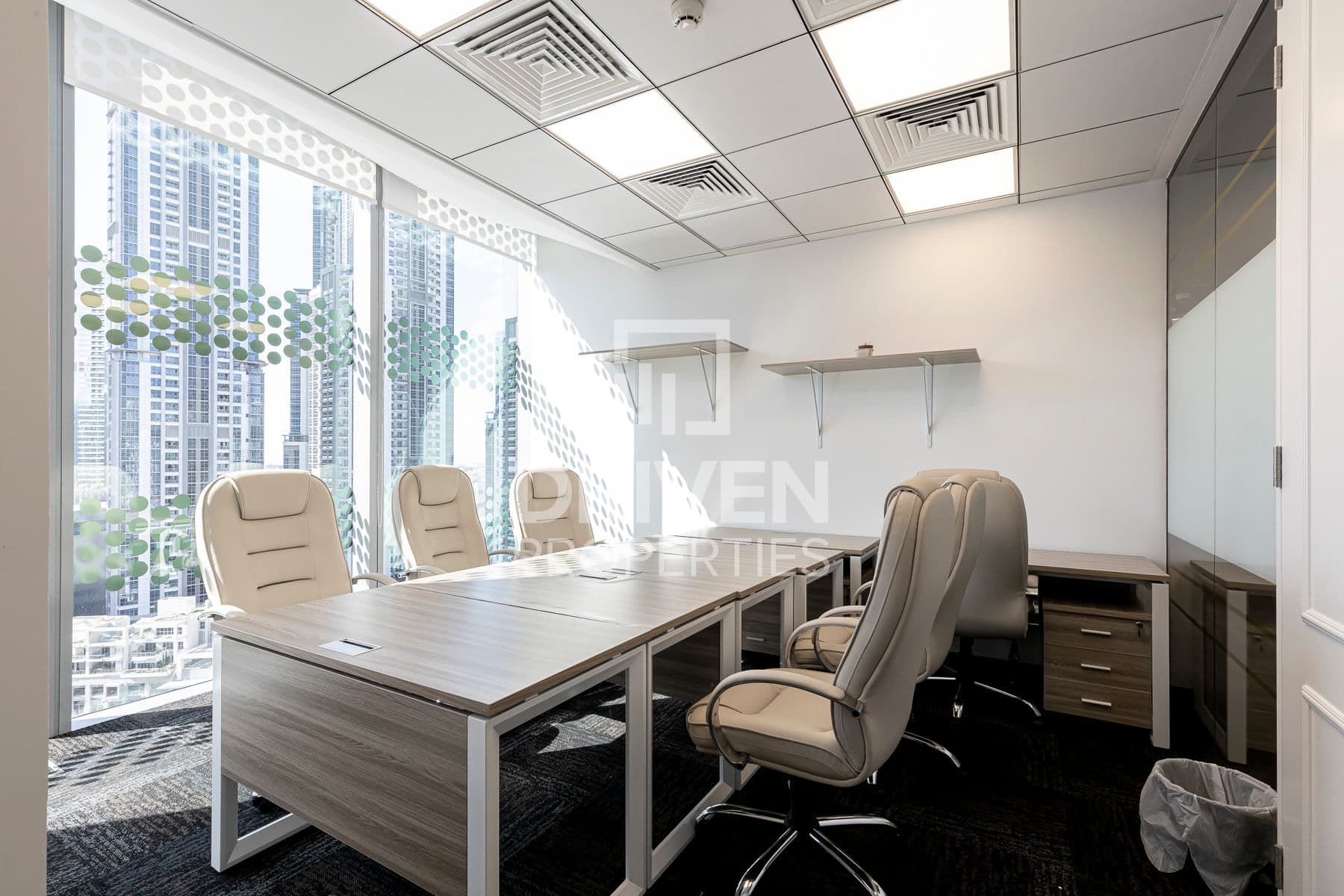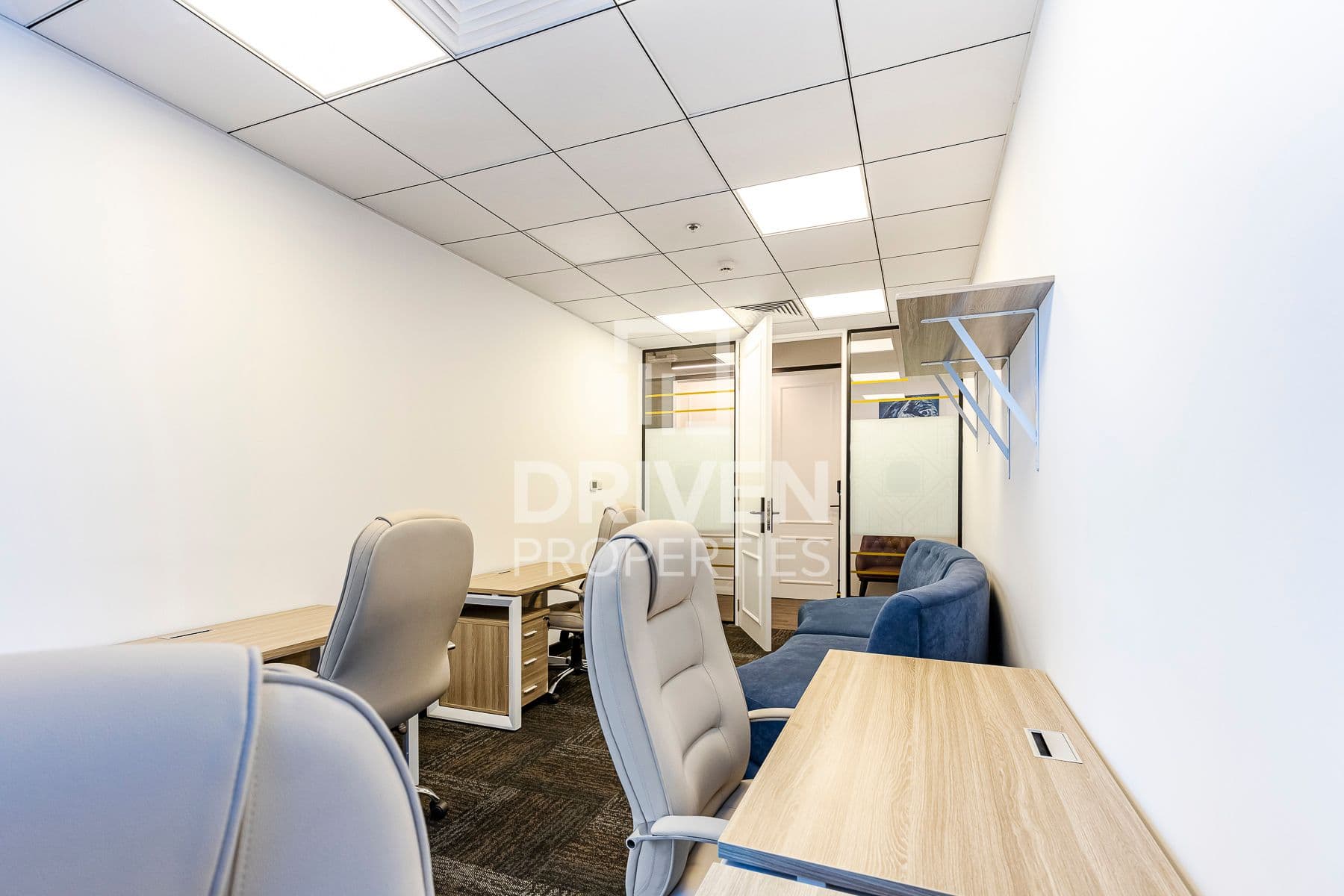
A growing business often reaches the same point. The team needs a polished address, faster setup, and room to scale, yet a long office lease feels too rigid. That is where a flexible workspace becomes useful. It cuts delay, reduces setup pressure, and keeps the business presentable from day one.
The market in Dubai supports that shift well. Operators now package workspace, services, meeting rooms, reception support, and access control into one working model. Coworking space in Dubai solves that concern for founders, consultants, remote teams, and firms entering the city with a focused plan.
The decision, however, still needs care. Location, operator quality, contract terms, privacy, and add-on services can change the outcome more than many tenants expect. This guide explains what to review, who benefits most, where demand stays strongest, and how to rent with more clarity.
The Most Popular Areas to Rent Co-working Spaces in Dubai
Location affects access, image, staff comfort, and client convenience. Dubai offers several strong zones, but each one supports a different business style.
Business Bay
Business Bay works well for firms that want central access, a polished business image, and smooth road connectivity. The area links well with major business routes and metro access, which suits agencies, consultants, financial services firms, and newer brands. The average annual commercial rent here is about AED 407,000.
Top Coworking Spaces in This Area:
- UNBOX Community, Business Bay
- Regus, The Bay Gate Tower
Downtown Dubai
Downtown Dubai fits businesses that prioritize prestige, hospitality access, and strong client presentation. It attracts boutique consultancies, family offices, and premium service brands because the district supports a formal business profile. The average annual office rent here is about AED 1,676,336.
Top Coworking Spaces in This Area:
- Servcorp, Burj Khalifa
- One Business Centre, Emaar Square
- Regus, Boulevard Plaza Tower
Jumeirah Lake Towers
JLT suits firms that want a broad business ecosystem with more variety in workspace style. Many offices here come with practical building features that support daily work and client visits, which makes the district useful for occupiers who want flexibility without a premium core-zone cost. The average annual office rent is about AED 470,000.
Top Coworking Spaces in This Area:
- One Business Centre, Jumeirah Bay X2
- Regus, Jumeirah Bay X3
Dubai Internet City and Dubai Media City
Dubai Internet City remains a strong fit for digital firms, technology companies, and service providers that value cluster-based networking. The average annual office rent in Dubai Internet City is about AED 498,763. Dubai Media City suits media, communication, and creative businesses, with an average annual office rent of about AED 482,000.
Top Coworking Spaces in This Area:
- AstroLabs, Dubai Internet City
- Regus, Business Central Towers, Dubai Media City
DIFC and One Central
These districts support a premium business profile and appeal to financial firms, advisory practices, and executive teams. DIFC stands out for central positioning and formal business appeal, with an average annual office rent of about AED 1,540,000. In One Central, the average annual commercial rent is about AED 1,050,000.
Top Coworking Spaces in This Area:
- The Executive Centre, One Central
- The Executive Centre, ICD Brookfield Place
- Regus, Central Park Towers
Al Barsha and nearby corridors
This area works better for tenants who want a more balanced daily routine and a lower entry cost than the city’s premium business districts. It often appeals to businesses looking for a cheap coworking space in Dubai while still keeping access to strong commercial corridors. In Al Barsha, the average annual commercial rent is about AED 167,000.
Top Coworking Spaces in This Area:
- UNBOX Community, Al Barsha 1
- Nook, Gold & Diamond Park
- Regus, Barsha Heights
Types of Co-working Spaces Available for Rent in Dubai
Not every business needs the same workspace format. The format should match team size, privacy needs, and client interaction.
The table below helps narrow the decision before you compare operators.
Workspace Type | Best Fit | Main Advantage | Key Watch Point |
Hot Desk | Freelancers and light users | Lower commitment and flexible access | Limited consistency in seating |
Dedicated Desk | Regular solo users | Stable setup and personal storage | Less private than a cabin |
Private Office | Small teams | Privacy and brand control | Higher monthly cost |
Managed Suite | Growing companies | Better exclusivity and structure | Contract terms need close review |
This comparison helps at the early stage. After that, the operator, building quality, and lease detail usually shape the final choice.
Hot desks
Hot desks suit mobile professionals, founders in early-stage work, and consultants who do not need the same seat each day. This format also works for daily pass coworking in Dubai users who need short-term access without a long commitment.
Dedicated desks
A dedicated desk gives more consistency. The user keeps the same position, works with fewer daily resets, and often gains small storage support. This format suits regular users who want a routine but not a full office.
Private offices
Private rooms support confidentiality, brand control, and stronger team coordination. They fit law firms, advisory practices, creative studios, and account teams that handle sensitive work.
Managed suites
A managed suite gives a company more control within a serviced model. This format works for firms that need privacy, controlled branding, and flexible growth without taking a traditional office lease.
Niche spaces for curated communities
Some operators design space around a certain user group or business profile. A shared workspace UAE model can feel broad and open, while a niche operator may focus on founders, creatives, wellness-led users, or women-led enterprises. That is why female-only coworking in Dubai searches continue to appear among tenants who want more privacy and a more curated environment.
Features to Expect in a Dubai Co-working Space
A strong co-working setup does more than place desks inside a polished room. It must support daily operations without creating friction. That standard separates a useful workspace from a costly compromise.
Flexible desk access
Most operators structure access around hot desks, dedicated desks, and private rooms. That range helps firms match space to headcount without overcommitting. It also supports shifting attendance patterns, which many teams now prefer.
Private cabins and meeting rooms
A formal business conversation needs privacy. A client call needs calm. A team review needs structure. Good operators build private cabins, enclosed meeting rooms, and quiet zones into the layout. This feature becomes vital for legal advisors, consultants, brokers, and agency teams.
Strong internet and call facilities
Reliable internet remains basic, but the better operators go further. They add backup connectivity, call booths, printing access, and meeting-room screens. These details keep a workday smooth. They also reduce the need for outside service contracts.
Reception, mail, and admin support
Reception support lifts the business image at once. Mail handling, guest coordination, and front-desk support also save time for lean teams. A business owner should not lose focus on courier handling or visitor check-ins.
Security, access control, and parking
Entry control, secure internet practices, monitored access, and practical parking all shape the tenant experience. Businesses that host clients or handle confidential information should examine these points early, not later.
Community events and business support
Many operators also run networking sessions, founder circles, and business support programs. That feature helps newer companies build local links faster. If you plan a market entry, that support can shorten your adjustment period.
Who Should Consider Renting a Co-working Space?
A co-working setup does not suit every business. Yet it works very well for firms that value speed, flexibility, and a cleaner cost structure.
- Companies that want immediate occupancy without office setup delays
- Teams that need a professional address for client meetings
- Founders who want flexibility while they validate growth
- International firms entering Dubai with a lean launch model
A recent outlook said 56% of CEOs plan to seek shorter-term leases, while 54% plan to use co-working solutions or flexible workspace memberships. That shift explains why flexible office demand continues to hold attention in Dubai.
Solo consultants and independent advisors
Independent professionals often need quiet focus, meeting access, and a better client-facing setting than a home office can offer. Co-working solves that quickly and keeps costs more controlled.
Startups testing a market
A startup rarely needs a large office at the early stage. It needs a credible base, quick onboarding, and the option to expand without disruption. Flexible workspace supports that pattern well.
SMEs opening a Dubai base
A small or mid-sized company can enter Dubai through a co-working arrangement, build presence, test workflow, and refine location strategy before taking a larger commitment.
Remote teams and project units
Project teams often work on shifting schedules. Some members come in daily. Others do not. A flexible operator helps these teams avoid unused space while preserving structure.
International founders seeking setup support
Many founders search for a coworking space with visa eligibility because they want workspace and business support within one arrangement. That option can simplify early planning, although tenants should still verify the legal structure, license pathway, and operator scope before they sign.
Top Benefits of Renting a Co-working Space
The benefit is not only flexibility. The better value comes from time saved, image improved, and risk reduced. Teams ready for a dedicated, long-term space can move up to offices for rent in Dubai.
Faster occupancy
A conventional office search can stretch the process. Co-working cuts that delay. The operator usually delivers a ready environment, which helps businesses move from planning to execution faster.
Lower setup burden
Furniture, reception, internet, cleaning, pantry access, and shared facilities usually come bundled into the agreement. That reduces procurement work and keeps operations cleaner.
Better location access
A business can work from a premium area without carrying the full burden of a traditional lease. Coworking space in Dubai gives smaller firms access to districts that might otherwise remain outside reach.
Professional image
Clients judge space fast. They notice reception quality, meeting rooms, building access, and overall presentation. A good co-working address supports brand confidence before the first discussion even begins.
Scalability without disruption
When the team grows, the business can often add desks or shift into a private suite within the same operator network. That keeps the move orderly.
Dubai also launched Work from Park in April 2026, with Al Barsha Pond Park as the first site from May 2026. The wider parks push includes 35 parks by the end of 2026, covering 340,000 sq m, serving 23 communities, with about Dh348 million in investment. That move reflects a broader city-level push toward flexible work environments.
Luxury Co-Working Spaces for Rent in Dubai
Luxury co-working space serves a clear business purpose. It supports brand image, executive meetings, and client confidence. It also helps firms avoid the burden of a full premium office lease.
These spaces usually include stronger design quality, refined lounges, better meeting suites, a concierge-style reception, and hospitality-led common areas. Some also offer wellness rooms, event space, and enhanced food service. Others extend access hours, which makes a 24/7 coworking space in Dubai option more relevant for cross-border teams and firms with long client cycles.
Luxury works best when the business meets clients often, recruits at a senior level, or wants its address to reinforce credibility. Coworking space in Dubai also makes premium positioning more accessible when a company wants quality without a full conventional lease structure.
How to Rent a Co-working Space in Dubai
The phrase "rent coworking space in Dubai" sounds simple, but the process still needs structure. A careful review can save time, reduce mismatches, and keep the agreement aligned with business goals.
Documents needed to rent a Dubai Co-working Space
Most operators ask for core identity and company records. The tenant should prepare passport copies, Emirates ID where relevant, visa copy where relevant, trade license copy for active entities, and signing authority proof for company representatives. Some operators may also ask for banking details, a company stamp, or a short business activity note.
Cheapest Co-working Space in Dubai for Rent
The lowest cost option does not always create the best value. Budget-friendly operators often work well for solo users, light office use, or early-stage teams. Tenants should still check internet quality, meeting-room policy, guest access, parking, and contract flexibility. A cheap workspace loses appeal fast if it slows work or weakens client experience.
Rental Yields from Co-working Spaces in Dubai
Investors and occupiers should view yield with a practical lens. Performance depends on occupancy, operator quality, location strength, service package, and tenant retention. As a broad market proxy, Dubai’s office-led commercial assets generate roughly 7% gross rental yield, based on published yields across major business districts.
Premium locations usually compress returns, while mid-market business hubs often support stronger yield performance. A co-working asset can perform well when the operator maintains demand, limits churn, and matches the right workspace format to the right user profile. Our commercial investment pages also explain how location mix, building quality, and user profile shape income stability over time.
Other Costs Associated with Renting a Co-working Space in Dubai
Rent usually forms the main line item, but the full cost picture needs a wider review. Small extras can change the real monthly burden.
- Meeting-room overuse charges
- Printing and storage fees
- Parking charges
- Access card deposits
- Signage or branding charges
- Secretarial or mail-handling upgrades
- Internet upgrades for heavy users
A careful tenant asks for the full service schedule before signing. That review keeps the agreement clean and avoids confusion later. It also helps compare operators on equal terms, which many tenants fail to do. Want flexibility beyond the desk? Dubai's Flexi Rent offers monthly rent payment options in Dubai.
Final Thoughts
Dubai gives businesses a strong range of flexible workspace options. The best choice depends on business image, location goals, privacy needs, team pattern, and contract clarity. A polished operator in the wrong area can still slow daily work. A modest operator in the right district can support growth far better.
At Driven Properties, we help companies review workspace options with more precision, compare commercial districts, and move toward a solution that fits the business, not just the brochure. Coworking space in Dubai can support growth, market entry, and daily efficiency when the choice follows a sound commercial lens. Connect with Driven Properties for tailored guidance on flexible office options across Dubai. For the wider market view, check the Dubai property price trends in 2026.
Frequently Asked Questions:
1. Should I rent a Dubai coworking space?
Yes, if you want flexibility, faster setup, and a professional address without a long conventional lease.
2. What types of co-working spaces are available for rent in Dubai?
Hot desks, dedicated desks, private offices, managed suites, and niche formats for curated business communities.
3. What is included in the rental agreement for a co-working space?
Most agreements include workspace access, internet, reception support, shared facilities, cleaning, and basic utilities.
4. What factors should be considered when looking for a co-working space in Dubai for rent?
Review location, privacy, operator quality, meeting access, contract terms, parking, and service inclusions.
5. Where to Rent Co-working Spaces in Dubai?
Business Bay, Downtown, Jumeirah Lake Towers, Dubai Internet City, Dubai Media City, DIFC, and One Central remain strong options.
6. Why choose co-working spaces in Dubai?
They support faster occupancy, better flexibility, cleaner setup, stronger presentation, and easier expansion.
7. Which is better, a warehouse or a co-working space for rent?
Choose a warehouse for storage or industrial activity. Choose co-working for office use, meetings, and professional business operations.