Al Khalidiyah, Abu Dhabi
Al Khalidiyah – Area Summary
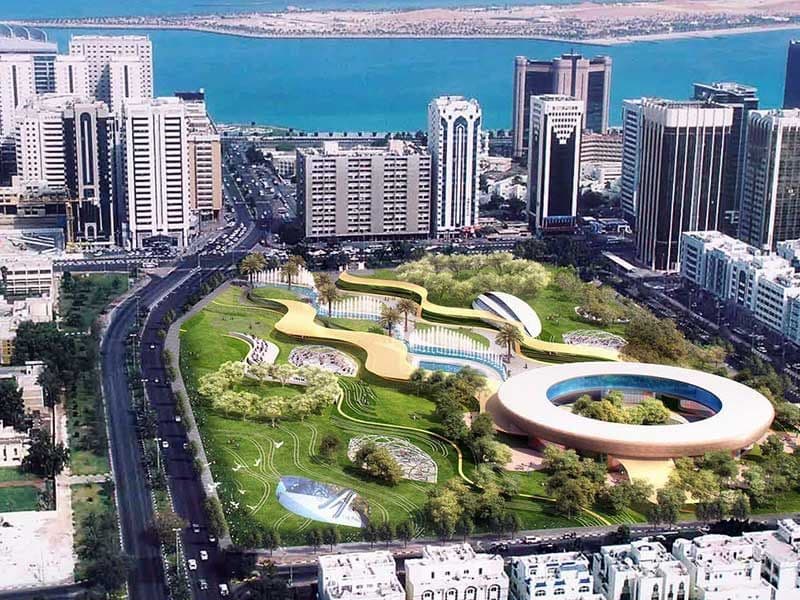
Al Khalidiyah ranks among the oldest and most active districts on Abu Dhabi Island, positioned just south of the Corniche. High-rise apartment towers fill most streets, with parks and green stretches breaking the line of buildings. This is a lived-in district rather than a master-planned suburb, home to Emirati families, long-term expats, and working professionals on the same blocks. Apartments account for nearly all the housing, from studios up to four-bedroom units, while villas and townhouses remain rare and mostly held within the gated Khalidiya Village. Location drives the appeal, with the Corniche a short walk off and downtown minutes by car. Density is the trade-off, since parking and traffic tighten at peak hours.
Key Features of Al Khalidiyah
- Central location just south of the Corniche
- Mostly mid- and high-rise apartments
- Studios through four-bedroom units
- A small pool of villas and townhouses in Khalidiya Village
- Khalidiyah Mall with over 160 stores
- Walking distance to Corniche Beach and boardwalk
- Khalidiya Park and Sheikha Fatima Park are nearby
- Wide dining scene, from old institutions to cafes
- Close to top schools and hospitals
- Strong rental demand from families and singles
Al Khalidiyah Location
Al Khalidiyah sits in central Abu Dhabi, north of Al Bateen and south of the Corniche, with the Arabian Gulf to the west and the Eastern Ring Road to the east. Zayed, First Street, Al Khaleej Al Arabi Street, and Corniche Road all run through or beside it, so drivers reach the city's business districts and government offices quickly.
Downtown Abu Dhabi is roughly a 5- to 10-minute drive. Al Maryah Island is about 10 minutes across the Sheikh Zayed Bridge. Zayed International Airport is around 20 to 25 minutes via the E10 highway.
Those figures should not replace a trial drive. Someone starting work at 8:00 am should test the route at 7:30 am, not on a quiet Saturday.
Who Would Enjoy the Al Khalidiyah Area?
- Professionals and Couples: Working downtown or on Al Maryah Island trims the daily commute to a few minutes on the road instead of a highway slog.
- Small Families: Strong schools, parks, and top hospitals close at hand make the district practical for households with young children.
- Urban Dwellers: Those who want to be able to access the hustle and bustle of urban living will appreciate how cafes, shops, and the waterfront are all a short walk away.
- Beachgoers: It is a luxury to have Corniche Beach in your backyard with all its amenities, including the cycling track, boardwalk, and sports pitches.
- Renters Seeking Value: The less modernized buildings in the area are renting at very reasonable prices and attract those wanting to be more frugal yet have a convenient location.
Detailed Features of Al Khalidiyah
Al Khalidiyah is one of Abu Dhabi’s most established central neighborhoods, with apartments, supermarkets, schools, clinics, cafés, parks, and Corniche access all close by. Daily life here is more walkable than in many mainland suburbs, especially for residents living near Khalidiya Mall, Corniche Road, or the older residential blocks. The area suits people who want city convenience, quick access to offices, and a lived-in community feel without moving into a newer island development.
Hotels in Al Khalidiyah
- Sheraton Khalidiya Hotel: An affordable pick close to the Corniche, popular for short city stays.
- Oryx Hotel: A four-star property near the waterfront known for suite deals.
- Emirates Palace Mandarin Oriental: The landmark luxury choice, a short drive along the coast.
- Hotels Around Khalidiyah Mall: Several mid-range brands sit near the retail core for visitors who want to stay central.
Given the central setting, guests find no shortage of hotels and serviced apartments within a few minutes' reach.
Malls in Al Khalidiyah
- Khalidiyah Mall: The main draw, holding over 160 stores, a large food court, a 3D cinema, and the Sparky's play zone.
- The Galleria Al Maryah Island: A luxury option roughly 10 minutes away for high-end fashion and dining.
- Marina Mall: A short drive along the coast when residents want a wider retail trip.
Most residents use Khalidiyah Mall throughout the week and save the larger centers for bigger outings.
Parks in Al Khalidiyah
- Khalidiya Park: One of the oldest and largest parks in the emirate, with playgrounds and walking tracks.
- Corniche Family Park: A large waterfront green space at the northern end of the district.
- Sheikha Fatima bint Mubarak Park: A landscaped park running along Khalidiyah Street.
The parks fill up from October to April. Through summer, families shift outdoor time to early morning or after sunset.
Things To Do in Al Khalidiyah
- Walk or cycle the Corniche boardwalk
- Spend a day at Corniche Beach
- Shop and catch a film at Khalidiyah Mall
- Relax at Khalidiya Park
- Dine at old institutions like the Automatic Restaurant
- Visit the Emirates Palace nearby
- Explore Al Khubeirah Garden
- Cross to Al Maryah Island for The Galleria
Accessibility and Transport in Al Khalidiyah
Daily errands here are walkable, so a car helps but is not always needed. Supermarkets, dining, and the park all fall within a 15-minute walk for most residents. Taxis are plentiful, and ride-hailing apps like Careem and Uber cover the district well.
Parking is the weak spot. Most buildings offer dedicated spaces, but paid public zones fill quickly near the Corniche and malls on weekends, so visitors should check signage to avoid fines. Public parking rules and tariffs are set through the Integrated Transport Centre under the Department of Municipalities and Transport.
Metro Stations in Al Khalidiyah
Al Khalidiyah does not currently have an operating metro station.
Residents rely on private cars, taxis, and public buses. Any future rail proposal should be treated as a plan until construction and opening dates are formally confirmed.
Bus Stations in Al Khalidiyah
- Khalidiyah Park Bus Stop: Served by Bus 31, which links the park to other parts of the city.
- Corniche Route Stops: Covered by Bus 35, running from Corniche Beach to Dhafeer Street.
- Abu Dhabi Central Bus Station: A short drive away, connecting the district to intercity routes.
Bus routes and timings change often. Regular commuters should check the latest schedule before choosing a home based on one route.
Key Landmarks Near Al Khalidiyah
- Abu Dhabi Corniche: A short walk away
- Emirates Palace: Around 5 minutes by car
- Downtown Abu Dhabi: Around 5 to 10 minutes by car
- Al Maryah Island: Around 10 minutes by car
- Cleveland Clinic Abu Dhabi: Around 10 minutes by car
- Sheikh Zayed Grand Mosque: Around 25 minutes by car
- Zayed International Airport: Around 20 to 25 minutes by car
These are approximate road distances. The starting building changes the numbers.
Education Near Al Khalidiyah
Schools are a strong draw, with several respected campuses inside or a short drive from the district, plus a good spread of nurseries for younger children. School ratings and inspection reports are published by the Abu Dhabi Department of Education and Knowledge.
Nurseries in Al Khalidiyah
- Ladybird Nursery: A well-known early-years center within the area.
- British Orchard Nursery: A branch serving young expat families.
- Tiny Dreams Nursery: A local option for toddlers and preschoolers.
Parents should ask about waiting lists before moving. Some nurseries fill their places well before term starts.
Primary and High Schools in Al Khalidiyah
- American Community School of Abu Dhabi: A long-standing American-curriculum school.
- Al Bateen Academy: A respected campus a short drive away.
- International School of Choueifat: A well-known option for families in the district.
- Abu Dhabi International Private School: Another nearby choice across curricula.
Morning traffic changes the drive. A route that takes 10 minutes at midday can run longer during drop-off.
Universities in Al Khalidiyah
- Emirates College of Technology: A tertiary option within the central area.
- European International College: Located close to the district.
- Sorbonne University Abu Dhabi: A short drive away on Al Reem Island.
Healthcare Facilities in Al Khalidiyah
- Corniche Hospital: One of the emirate's largest maternity hospitals, based in the district itself.
- NMC Specialty Hospital: A short drive away for extensive medical needs.
- Cleveland Clinic Abu Dhabi: World-class care around 10 minutes out.
- Amrita Medical Centre and Al Kamal Polyclinic: Local clinics for routine consultations.
Residents find pharmacies and clinics across the area. For specialist or emergency care, most of the bigger hospitals are only minutes away. Facility licensing and standards fall under the Department of Health – Abu Dhabi.
Properties in Al Khalidiyah
Al Khalidiyah runs mainly as an apartment market. Studios and one- to four-bedroom units fill the towers, popular with singles, couples, and families who want a central address. Villas and townhouses are limited, concentrated in gated Khalidiya Village.
- Khalidiya Village: A gated community of 4-, 5-, and 6-bedroom villas and townhouses with gardens, covered parking, and a clubhouse.
- Prestige Tower and Crescent Towers: High-rise apartment buildings lining Khalidiyah Street.
- Salama Residence and Montaza Tower: Rental towers offering one- to four-bedroom units.
- Corniche Al Khalidiyah: Waterfront-facing blocks with premium sea-view layouts.
The listed size needs a careful check. Older buildings often give larger rooms, while newer towers trade floor space for views and amenities. Service charges are another early question for buyers, since pools, gyms, elevators, security, and shared areas all add to the yearly bill. Rental contracts and disputes in the emirate are handled through the Abu Dhabi Municipality Tawtheeq system.
Future Plans for Al Khalidiyah Area
Al Khalidiyah is an established district rather than a fresh build, so growth here comes through upgrades instead of empty plots filling in. Newer towers keep entering the market with a focus on luxury finishes and sea views.
Wider city work under the emirate's long-term urban plans continues to improve public spaces, transport links, and community services across central areas like this one, which should support property demand and keep rental yields steady. Buyers should still ask what is planned around a specific building, since a clear view today can turn into a new tower later.