Best Areas to Invest in Dubai for Long-Term Property Investment During Market Uncertainty

Updated: Sep 24, 2026, 09:17 AM

The best areas to invest in Dubai during market uncertainty are not always the cheapest ones. They are the areas where tenants still want to live, buyers still recognise the address, and the exit plan does not depend on market hype.
Dubai Hills Estate, Dubai Marina, Downtown Dubai, Business Bay, Palm Jumeirah, JVC, Al Furjan, Dubai Silicon Oasis, Arjan, Dubai South, Dubai Creek Harbour, MBR City, Meydan, Palm Jebel Ali, and Dubai Islands all fit different investor goals. This blog covers safer areas, rental-income options, capital-growth locations, ready-versus-off-plan buying, and what to check before paying a booking amount.
The best areas to invest in Dubai during market uncertainty are communities with real rental demand, known infrastructure, resale activity, and end-user appeal. For safer long-term investment, Dubai Hills Estate, Dubai Marina, Downtown Dubai, Business Bay, and Palm Jumeirah remain strong options because people already know these areas and tenants already live there.
For safe investment areas in Dubai, the investor should look at rent history, building quality, service charges, access, and resale depth. For high ROI Dubai communities, JVC, Al Furjan, Dubai Silicon Oasis, Arjan, and Dubai South can work, but only when the entry price is sensible.
A cautious buyer may prefer a ready Dubai Marina apartment with a rent history. A patient investor may look at Dubai South or Dubai Creek Harbour with a 5 to 10-year view.
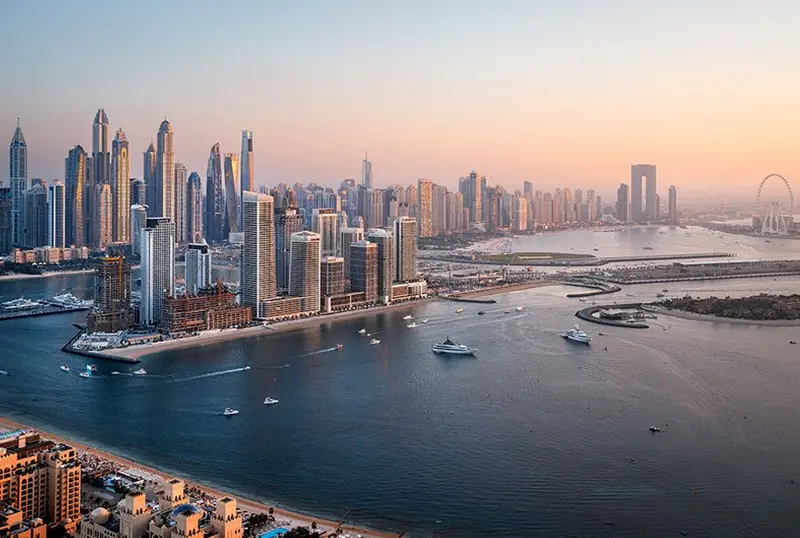
When Dubai’s market runs hot, almost every launch looks attractive. Sales teams talk fast. Payment plans seem attractive. Buyers feel they may miss the next price rise. But during uncertain periods, weak choices start to be made.
Area selection starts doing the heavy lifting.
A 7% gross yield does not mean much if the building has high service charges, slow leasing, poor parking, and too many similar units nearby. I would rather see a slightly lower yield in a better-managed tower than chase a number that disappears after repairs and vacancy.
Prime areas usually protect capital better. Emerging areas can still perform, but they need patience. The investor must ask one simple question before buying: if prices stay flat for 18 months, does this property still make sense financially?
That one question removes a lot of weak deals.
A safe area in Dubai is not always the one with the prettiest commercial. I would first check where people already rent, how quickly units move, and whether the area has schools, shops, roads, and everyday amenities in place. For example, a slightly older Dubai Marina unit with a steady rent history may feel safer than a new low-priced apartment in a half-ready pocket. The numbers should add up even without big promises.
A safe area should already have tenants, not just promises of tenants, which is why some residents choose to rent an apartment in Barsha Heights for its location and everyday convenience. Dubai Marina and Business Bay attract working professionals. Dubai Hills Estate and Al Furjan attract families. Downtown Dubai draws executives, tourists, and premium tenants.
A good investment should not trap you later. Areas such as Dubai Marina, Downtown Dubai, and Palm Jumeirah have wider buyer awareness. That helps when you want to exit.
Supply matters more than many buyers admit. If too many similar apartments enter one area at the same time, landlords start competing on rent. Sellers also start adjusting prices.
Gross ROI is the brochure number. Net ROI is what reaches your bank account. Deduct:
That is the number worth trusting.
Areas where people actually want to live and work tend to hold better. Schools, parks, metro access, retail, offices for rent in JLT, beaches, and lifestyle facilities are not small details. They decide on tenant behavior.
Before looking at the table, sort the buyers by goal first. I have seen investors compare JVC with Palm Jumeirah as if both were doing the same job. They are not. One may suit the monthly rent; the other protects the luxury value. So this quick view helps narrow the area before checking the actual building, price, and service charges.
Investor Goal | Best Areas | Why It Works | Main Risk to Check |
Safer long-term investment | Dubai Hills Estate, Dubai Marina, Downtown Dubai, Business Bay | Established demand and resale liquidity | Higher entry price |
High rental yield | JVC, Al Furjan, Dubai Silicon Oasis, Arjan | Lower entry prices and active tenant demand | Oversupply and service charges |
Capital appreciation | Dubai Creek Harbour, MBR City, Meydan, Palm Jebel Ali | Master plan growth and future infrastructure | Longer holding period |
Luxury capital preservation | Palm Jumeirah, Downtown Dubai, Emirates Living | Scarcity and global buyer demand | Lower net yield |
First-time investors | JVC, Dubai Silicon Oasis, Al Furjan, Dubai South | Accessible pricing and rental demand | Building selection |
Family rental demand | Dubai Hills Estate, Al Furjan, Arabian Ranches, MBR City | Schools, parks, villas, lifestyle amenities | Entry cost and maintenance |
At Driven Properties, we usually start with the investor’s goal before discussing buildings. A yield buyer, a luxury buyer, and a first-time buyer should not follow the same route.
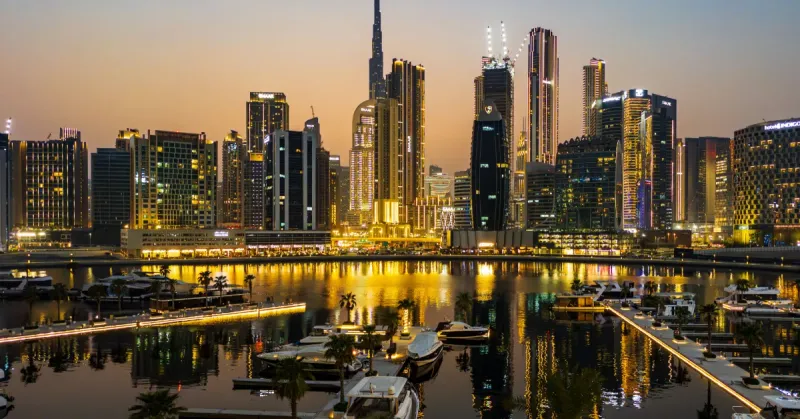
When the goal is a steady, lower-risk hold rather than a quick win, a handful of established communities tend to do the heavy lifting. These are the areas with a track record, real end-user demand, and enough history that you can check how they've actually performed. None of them is a sure thing on its own, so the notes below cover both the pull and the points worth checking before you commit.
Best for: family demand, long-term resale, balanced investment
This is a master-planned community that has matured nicely, and families are the main reason it holds up. Schools, parks, the mall, a golf course, and the wider lifestyle setup all sit within reach, which keeps end-user demand strong year after year. The mix helps too, with apartments, villas, and townhouses giving you options across budgets.
What to weigh before buying: the entry price runs higher than in many areas, so check your net yield once service charges come off the rent. Apartment supply has built up in a few clusters, and the pricing gap between villas and apartments is wide enough that it's worth being clear on which one fits your plan.
A practical example: a 2-bedroom apartment near Dubai Hills Mall tends to draw steady interest from families and working professionals, which is exactly the kind of tenant base that keeps a unit occupied.
Best for: rental liquidity and short-term rental demand
The Marina has been a rental engine for years. Metro and tram access, a constant flow of expats and tourists, and obvious appeal to professionals mean units here move, both on long leases and short stays. If liquidity is your priority, this is one of the easier areas to leave.
Where to be careful: some towers are getting on in age, so building quality, maintenance history, and parking really do matter here. Two units at similar prices can perform very differently depending on the tower and the view, so the selection within the community counts as much as the community itself.
For example, a well-kept 1-bedroom in a quality tower is often the safer buy over a cheaper unit in an older building that carries heavy maintenance costs.
Best for: premium demand and capital preservation
Downtown is the landmark play, and Downtown Dubai apartments for rent continue to attract tenants who want a premium address near Dubai Mall, Burj Khalifa, and DIFC. The global name recognition, the pull of the Dubai Mall, Burj Khalifa, and DIFC nearby, plus steady demand from tourists, executives, and luxury buyers, all point to one thing: this is more about protecting asset value than chasing the biggest rent.
The trade-offs are straightforward. Purchase prices are high, service charges follow, and the net yield usually sits below what you'd see in more affordable areas. Downtown Dubai suits investors who'd rather hold a strong long-term asset than squeeze out maximum yield.
Best for: central rental demand and professional tenants
Sitting right next to Downtown, with DIFC, Sheikh Zayed Road, and the Dubai Canal all close, Business Bay pulls a reliable tenant base of working professionals, while companies needing a central address may also review commercial offices for rent on Sheikh Zayed Road. The blend of residential, commercial, and hospitality demand gives it more depth than a purely residential pocket, and some buildings are more accessible than downtown.
Just know that building quality varies a fair bit here, traffic and parking can be a headache, and there's no shortage of similar apartment units, so check service charges before you compare.
A canal-facing unit in a well-run tower will usually outperform a cheaper one in a building with weak maintenance or awkward access.
Best for: luxury holding and global buyer demand
The Palm is its own category. An iconic waterfront address, limited prime stock, and strong appeal to high-net-worth buyers keep both the rental and resale ends healthy. For a luxury hold, few addresses carry the same recognition.
Points to check: the entry price is steep, yields run lower than in affordable areas, service charges are real, and with some of the older stock, you'll want to factor in the property's age and any renovation it might need.
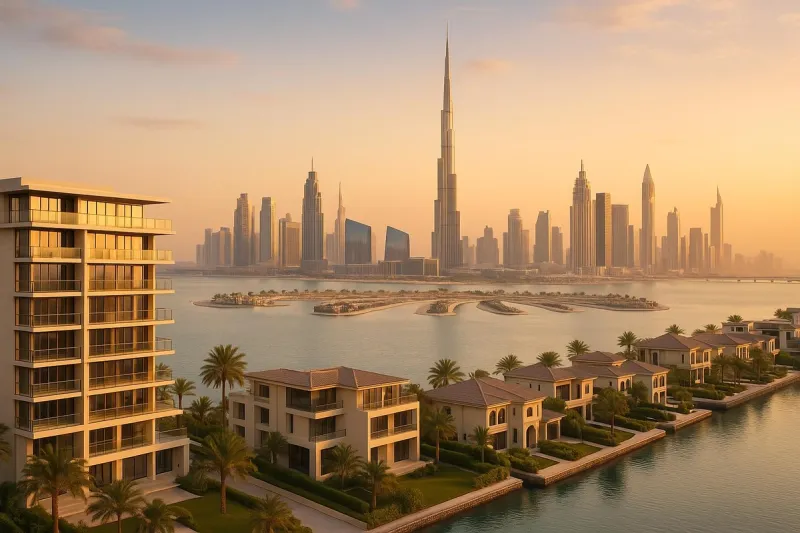
If the income is what you're after, the calculation shifts. You're looking less at landmark value and more at where the tenant pool is deep, the entry price is sensible, and the rent stacks up well against what you paid. These communities tend to deliver on that front, though, as always, the building you pick matters more than the postcode.
Also read: What Is a Good Rental Yield? Dubai Property Investment Guide
Best for: affordable entry and rental yield
JVC has earned its reputation as a yield area. Entry prices sit below central Dubai, demand from young professionals and small families stays strong, and studios and 1-bedrooms move quickly thanks to a large tenant pool.
The catch is supply. There's a lot of it, so developer quality, building maintenance, parking, and service charges separate the good buys from the forgettable ones, and resale competition is real.
Here's the thing worth remembering: a good JVC investment isn't the cheapest studio you can find. It's a unit in a well-managed building with a practical layout, parking, decent amenities, and service charges that don't quietly eat your return.
Best for: family rentals and metro-connected demand
Apartments for rent in Al Furjan work well for tenants who want family-friendly surroundings, metro access, and better connectivity to Ibn Battuta, Jebel Ali, and Dubai South. Metro access, a family-friendly feel, and strong links to Ibn Battuta, Jebel Ali, and the Dubai South corridor can also support demand for Jebel Ali warehouses for rent among logistics-led businesses.
Check the distance from the metro, since not every part of the community is an easy walk, and look at building quality, community-level supply, and maintenance costs before you decide.
A townhouse or apartment close to the metro will usually pull stronger tenant interest than a cheaper unit tucked into a less connected pocket.
Best for: budget investors and stable tenant demand
DSO is the quiet, dependable option for investors, and tenants who want affordable compact homes may choose to rent studio apartments in Dubai Silicon Oasis. Affordable pricing, established infrastructure, and demand from professionals, students, and families make it a solid pick when yield is the focus rather than headline growth.
Just temper the expectations on capital appreciation, which moves more slowly here than in prime areas. Some buildings are older, so unit condition and service charges deserve a proper look.
A ready apartment with a stable rental history is often the more reliable buy over a new launch, where the future rent is still a question mark.
Best for: yield and growth mix
Arjan offers a bit of both. It is more affordable than many central communities, and tenants who want to rent an apartment in Dubailand often value its retail access, road connectivity, and nearby communities. First-time investors tend to like it.
The things to watch are future supply, building-level quality, how mature the community really is, and actual tenant demand, which can vary noticeably from one building to the next.
Best for: long-term growth with affordable entry
Dubai South is the patient play, while Dubai South apartments for rent may appeal to tenants who want lower entry rents and long-term growth potential. It's tied to the Al Maktoum International Airport expansion, connected to Expo City and the southern growth corridor, and the entry prices are low. The upside is infrastructure-led and long-term.
That said, current rental liquidity is thinner, the infrastructure timeline is still unfolding, and there are more handovers to come, so the holding period stretches longer.
Put plainly, Dubai South suits an investor who can sit on the asset for 5 to 10 years, not one who needs to flip it within a year.
This last group is for buyers thinking in years, not months. The pull here is the growth story, the waterfront scarcity, and the master plan still taking shape, rather than the rent you'll collect next quarter. Yields tend to be lower at the start, so the question is whether you believe in where the area is heading and can wait for it.
Best for: waterfront growth and long-term appreciation
A waterfront master community with the Emaar name behind it and Downtown Dubai close by, Creek Harbour is positioned for the long game. The future lifestyle and tourism value are a big part of the appeal.
Weigh the entry price against the supply pipeline and handover timelines, and be honest about the current rental yield versus the appreciation you're betting on. It suits investors who want capital growth ahead of immediate income.
Best for: premium family-focused investment
Modern villas and apartments, a short hop from Downtown, and a low-density feel give MBR City and Meydan their pull, with families and premium buyers driving the demand. Schools, green spaces, and lifestyle amenities round it out.
The points to check are the high entry price, project quality, how far along the infrastructure is, and liquidity, which can differ a lot from one project to the next.
Best for: patient luxury investors
This one is for buyers who can wait. Waterfront scarcity, a long-term master plan, and clear luxury positioning give it the potential to ride Dubai's prime waterfront demand, but it rewards patience over speed.
Go in expecting a longer holding period, a higher ticket size, a master plan that's still being delivered, and future liquidity that's harder to read at this stage.
Best for: early-stage waterfront investment
The Dubai Islands are the early-mover option. The waterfront lifestyle positioning, hospitality and tourism potential, and long-term destination appeal could translate into solid appreciation if the infrastructure matures as planned.
The flip side is exactly that; it's early-stage. Infrastructure maturity, the specific project you choose, and the holding period all carry more weight here than in a settled community.
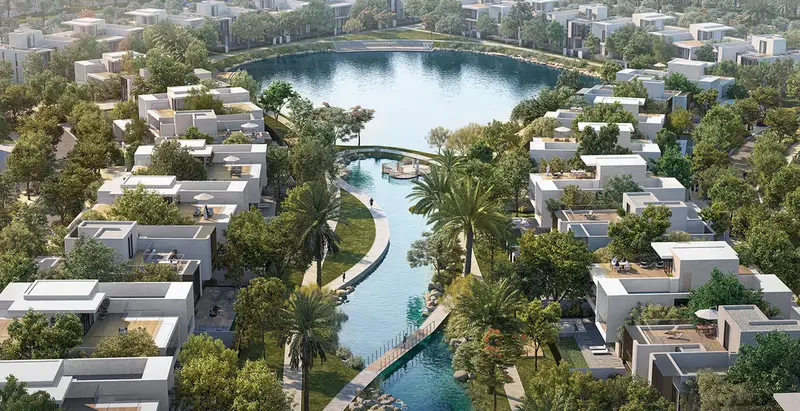
This depends on the investor’s risk appetite more than the market itself. Some buyers sleep better with a ready apartment that already has a rent history and visible condition. Others are comfortable waiting a few years for appreciation through off-plan projects. In uncertain periods, the smarter move is usually the one with fewer assumptions attached to it.
Also read: Off-Plan vs Ready Property in Dubai: Which Offers Better Value in 2026?
Ready property gives the buyer facts. You can see the unit, check service charges, confirm rent, inspect the building, and compare recent resale prices.
A ready 1-bedroom in Dubai Marina with tenant history may feel safer than an off-plan unit in a developing area where future rent is still a guess.
Off-plan can work when pricing is fair. It offers lower upfront payments, flexible plans, newer layouts, and access to future communities.
But the buyer must check the following:
Compare off-plan prices with ready properties nearby. If the off-plan rate per sq. ft. sits far above ready stock, the payment plan may be hiding a premium.
No area is automatically bad, and investors should judge price, building quality, and tenant demand carefully, especially in communities where residents choose to rent in Dubai Sports City.
When many similar units arrive together, landlords compete. That can push rents down or extend vacancy.
Some off-plan projects look attractive because the payment plan feels light. But the real test is price per sq ft against ready property nearby.
Roads, schools, hospitals, retail, metro access, and office zones shape tenant demand. Without them, leasing may take longer.
A high gross yield can turn average after service charges and repairs.
A safer investment should still work if prices stay flat for a year or two. If the only profit story is “prices will rise,” I would slow down.
I have seen buyers spend weeks comparing communities but barely 20 minutes checking the actual building. That usually backfires. In Dubai, the area helps, but the building, service charge, layout, parking, and resale demand decide how the investment performs later. Even inside the same community, one tower may lease fast while another struggles.
Do not depend only on asking prices. Sellers can list any number they want. Check the actual sold transactions nearby. That gives a more honest picture of where the market really stands.
Open rental portals and see how many similar units are sitting available. If dozens of apartments in the same building remain vacant, pay attention to that. Fast-moving inventory usually tells you more than sales brochures.
Gross ROI looks attractive in presentations. Net yield feels different once service charges, maintenance, vacancy, furnishing, and management costs start cutting into the income. I would rather take a cleaner 5.5% net return than chase inflated numbers.
For off-plan, check the developer’s delivery record and approvals. For ready property, walk through the building properly. Look at the lobby, parking, lifts, corridors, and maintenance conditions. Those small details affect tenant quality more than people expect.
Before buying, ask who will realistically purchase this unit later. A family buyer? Another investor? A holiday home operator? If the answer feels vague, a sale could become slower.
Some areas look promising on paper because of future roads, metro links, malls, or airport expansion. That can work, but investors should check whether the timelines look realistic or still too early.
At Driven Properties, we prefer testing the exit before the purchase. If we cannot clearly see who will rent or buy the property later, the deal needs more review.
Dubai Hills Estate, Dubai Marina, Downtown Dubai, Business Bay, and Palm Jumeirah are safer choices because they have established demand, stronger resale liquidity, and higher buyer awareness.
JVC, Al Furjan, Dubai Silicon Oasis, Arjan, and Dubai South can offer high ROI potential, while rental townhouses in DAMAC Hills 2 may suit tenants looking for more space outside central districts.
Dubai Creek Harbour, MBR City, Meydan, Palm Jebel Ali, and Dubai Islands may suit investors who want long-term appreciation linked to master plans, waterfront supply, and infrastructure growth.
JVC, Dubai Silicon Oasis, Al Furjan, and Arjan can suit first-time investors because prices are more accessible. Building selection still decides the outcome.
Prime areas may protect capital better. Affordable areas may generate a stronger rental yield. A balanced investor may choose one established community for stability and one growth corridor for upside.
The top areas include Dubai Hills Estate, Dubai Marina, Business Bay, Downtown Dubai, JVC, Al Furjan, Dubai Silicon Oasis, Arjan, Dubai South, Dubai Creek Harbour, MBR City, and Palm Jumeirah. The right area depends on budget, income target, and holding period.
Safer areas usually have proven rental demand, resale activity, infrastructure, and end-user appeal, which is why Jaddaf apartment rentals may interest tenants seeking a central, well-connected address. Dubai Hills Estate, Dubai Marina, Downtown Dubai, Business Bay, and Palm Jumeirah often fit that profile.
JVC, Al Furjan, Dubai Silicon Oasis, Arjan, and Dubai South often attract yield-focused investors. ROI still depends on purchase price, service charges, vacancy, furnishing, and maintenance.
Yes, JVC can still work for rental yield. Investors should check oversupply, parking, building quality, maintenance, and service charges before buying.
Dubai South can work for long-term investors because of airport expansion, Expo City, logistics activity, and the southern growth corridor. It suits a 5- to 10-year plan better than a quick resale.
Dubai Marina may work better for rental activity and short-term leasing. Downtown Dubai may work better for premium value and capital preservation. The better choice depends on budget and goal.
Dubai Creek Harbour, MBR City, Meydan, Palm Jebel Ali, Dubai Islands, and selected prime areas may offer long-term appreciation. Investors should check the entry price, infrastructure timeline, and future supply.
Ready property usually suits cautious investors because rent, service charges, condition, and resale value are easier to verify. Off-plan can work when the developer is reliable and pricing is fair.
Investors should check transaction prices, rental demand, service charges, net yield, developer history, building quality, future supply, infrastructure plans, and resale demand.
Villas may offer stronger capital protection in family communities because supply is more limited. Apartments may offer better rental yield in central and affordable areas. The better choice depends on budget, area, and holding plan.
Dubai’s strongest investment areas during market uncertainty are not always the loudest launches or the highest-yielding listings. The better choices are the ones that still work if prices stop rising for a while.
For safer long-term holding, Dubai Hills Estate, Dubai Marina, Downtown Dubai, Business Bay, and Palm Jumeirah remain strong. For rental income, JVC, Al Furjan, Dubai Silicon Oasis, Arjan, and Dubai South can work when the project and entry price are right. For capital growth, Dubai Creek Harbour, MBR City, Meydan, Palm Jebel Ali, and Dubai Islands suit patient buyers.
The best areas to invest in Dubai are communities with real tenant demand, safe entry pricing, and a clear exit plan. For a private area-led investment review, reach out to us at Driven Properties, and we will help you choose with data, not guesswork.

Secondary Sales & Leasing Manager - Residential
Mohammad Demir is a residential specialist at Driven Properties with a proven track record of securing desirable properties for clients and negotiating favorable lease terms for both tenants and landlords. He is committed to matching clients with properties that align with their specific needs and preferences, guiding them through every aspect of the process.
Fluent in English and Arabic, Mohammad brings a client-first approach to Dubai's residential sales and leasing market.