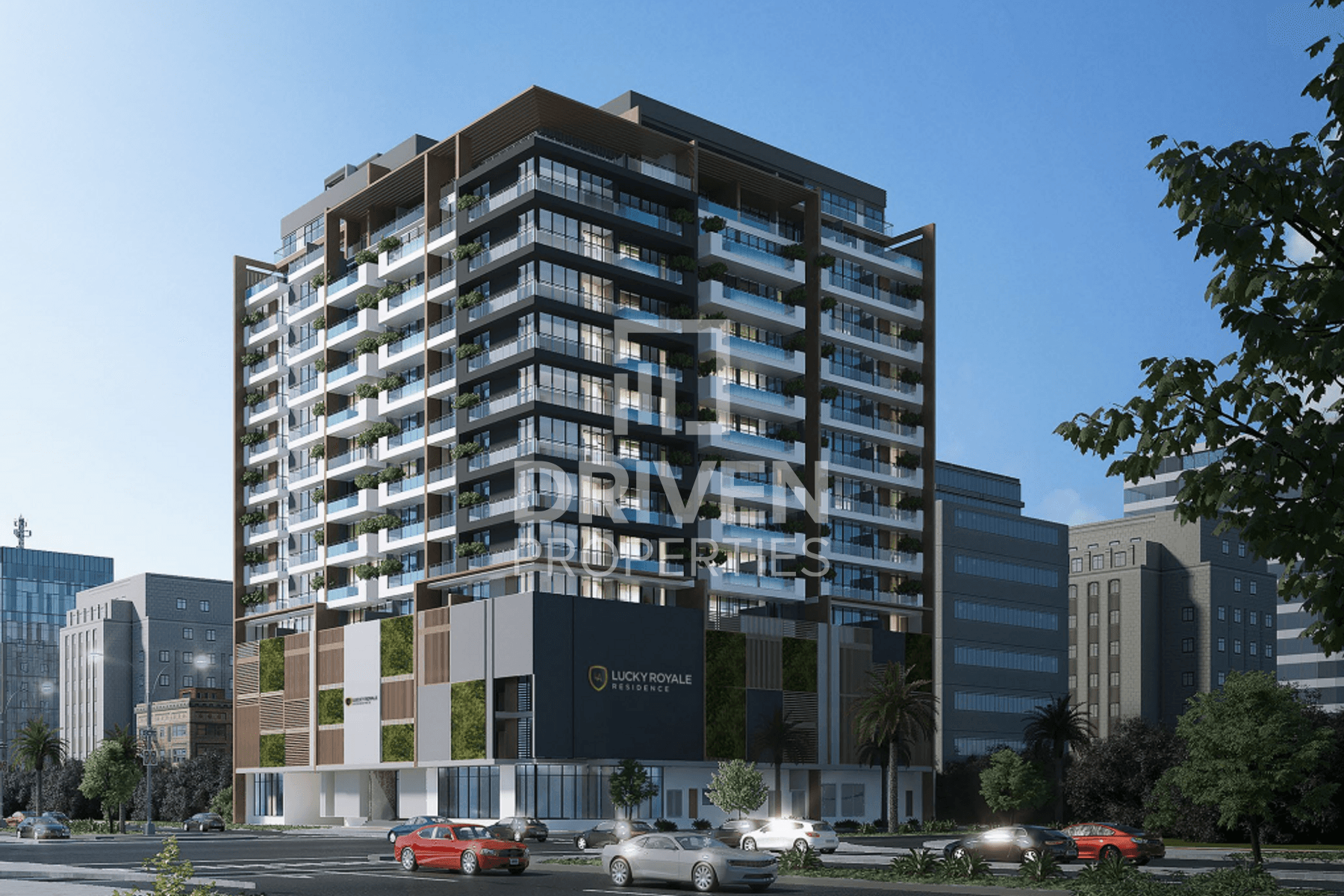
Overview of Commercial Full Buildings For Sale In Dubai
Are you weighing a full-building purchase because single units feel limited, and you want control over income, tenants, and long-term value? Many investors reach this point after they run into service charge surprises, tenant mix issues, or weak lease control in strata assets. A full building changes the setup. You control leasing strategy, CAPEX timing, signage rules, and even the tenant profile you want to attract.
When buyers search commercial buildings for sale in Dubai, they usually want three outcomes: stable rent, clear exit value, and a structure that fits their hold period. The route to that outcome depends on building type, location, lease profile, and title. It also depends on how you underwrite the deal. A commercial building rent roll and a realistic budget can save months of stress later.
Before the details, one point stays practical: full-building deals move through steps that differ from apartment or single-office buys. You review the title, zoning, tenancy terms, operating costs, and future spending. If you run those checks in the right order, you avoid rework and price drift.
After this overview, the guide breaks down building types, price drivers, target areas, ROI methods, and buyer fit. It also covers freehold vs. leasehold and a due diligence list that keeps decisions clean.
Types of Commercial Buildings for Sale
Dubai’s full-building market covers more than one format. Each format carries its own tenant base, lease patterns, and operating model. The right match comes from your income plan, not from the building label.
1. Office buildings (single-tenant or multi-tenant)
Office demand links to business districts, transport, and parking. Multi-tenant offices spread risk across leases. Single-tenant offices simplify management but depend on one covenant.
2. Retail buildings and low-rise retail strips
These suit operators who want visible frontage and footfall. Retail income depends on tenant mix, signage rights, and anchor strength.
3. Mixed-use buildings
Many buyers look for mixed-use buildings for sale in Dubai because they can blend retail at ground level, offices above, and residential or serviced units in upper floors. Mixed use can balance vacancy cycles, but it adds complexity in licensing, access control, and cost allocation.
4. Warehouses and light industrial
These can deliver steady demand when access to highways and loading matters. The buyer must review power load, ceiling height, dock access, and permitted use.
5. Staff accommodation and residential income blocks
These assets lean on occupancy management and compliance checks. They can perform well, but they require active oversight and clear operating rules.
6. Hospitality-style assets
Income can rise with strong operators, yet it brings operating risk. Many investors still prefer long leases, since lease income stays simpler.
Quick selection cues
- Choose an office if you want corporate leases and lower tenant churn.
- Choose retail if you can manage mixes and renewals with discipline.
- Choose industrial if access and specs fit tenant needs.
- Choose mixed-use if you accept more moving parts for diversified income.
When you search for commercial property for sale in Dubai, filter early by your management appetite. Full buildings can scale returns, but they also scale decisions.
Commercial Building Prices in Dubai
Prices vary because “full building” covers a wide range: old versus new stock, freehold versus leasehold, and vacancy versus fully leased assets. Instead of chasing a single headline number, treat price as an output of four drivers: income, risk, replacement cost, and future spend.
Key price drivers you can control or verify
- Net Operating Income (NOI): Rent minus operating costs, not gross rent.
- Lease profile: Remaining lease term, break clauses, rent review terms, and tenant credit.
- Occupancy and rent roll quality: A building with clean leases can be priced higher than a vacant building, even if vacancy gives upside.
- Capex plan: Lifts, chillers, façade, lobby, parking surfaces, and and fire systems. Capex can change your real return.
Pricing structure
Use this as a planning tool when you compare opportunities. These are categories, not market quotes.
Building profile | What the buyer pays for | What boosts value | What reduces value |
Fully tenanted, long WALE | Stability and predictable cash flow | Strong tenants, clean leases, low capex | Weak clauses, under-market rent with no uplift |
Partly vacant with leasing upside | Discount today, upside later | Good location, strong unit mix, fast leasing path | Slow demand area, costly fit-out needs |
Vacant for repositioning | Control and redesign potential | Clear change-of-use path, upgrade plan | Unclear permits, high capex, long vacancy |
Mixed-use income block | Diversified rent streams | Balanced tenant mix, simple access control | Complicated ops, unclear cost split |
Supporting note: buyers often price a stable building off a cap rate approach, then adjust for capex and lease risk. For repositioning deals, buyers focus on total project cost and exit value.
If you want to compare commercial buildings for sale in Dubai with discipline, run two numbers every time: (1) stabilized NOI after normal costs and (2) total capex required within the first 24 months. Those two figures explain most pricing gaps.
Best Areas to Buy Commercial Buildings in Dubai
Area choice shapes tenant demand, rent resilience, and the exit buyer pool. A “best area” depends on your tenant target: corporate, retail, logistics, or mixed-use.
Business And Office-Led Zones
These fit buyers who want corporate leases, meeting access, and transport links.
- DIFC and nearby districts: Strong premium office demand. High standards and higher entry pricing.
- Business Bay: Wide stock range, strong absorption when the building offers parking and access.
- Sheikh Zayed Road corridor: Visibility and corporate appeal, yet access and parking rules can decide performance.
Retail-Led Zones
Retail depends on frontage, density, and the customer flow pattern.
- Jumeirah and key community corridors: Retail works where residents live and spend.
- Deira and older commercial hubs: High activity, but you must check building age and compliance.
Logistics And Industrial-Led Zones
These suit investors chasing long leases and large floor plates.
- Al Quoz and industrial corridors: Demand ties to central location and access.
- JAFZA and surrounding areas: Strong for trade-led tenants, yet rules, licensing, and access matter.
Freehold-Focused Investor Zones
If your plan needs foreign ownership and broad buyer demand later, consider places known for freehold commercial buildings in Dubai. Title and freehold status can widen your exit market.
A practical approach: start from your tenant profile, then shortlist 3 zones. After that, compare only buildings that match access, parking, and compliance rules. Zone prestige alone does not protect ROI.
Rental Yields & ROI for Commercial Buildings
Most investors care about return, but “ROI” can mean different things. For full buildings, use a clear method and avoid mixed math.
Three Return Techniques Investors Use
1. Cap rate method (income-first)
Cap rate = NOI ÷ Purchase price.This works best for stable assets, including income-generating buildings in Dubai with clean leases.
2. Cash-on-cash return (equity-first)
Cash-on-cash = Annual pre-tax cash flow ÷ Equity invested.This captures leverage impact. It helps when you compare financing options.
3. IRR method (time-first)
IRR captures cash flow timing, rent growth plans, and exit sale.IRR suits repositioning, leasing up, and mixed-use upgrades.
What Shapes Commercial Building Roi Dubai In Real Deals
- WALE: Weighted Average Lease Expiry. Longer WALE often supports stability.
- Tenant quality: Strong covenants reduce default risk.
- Rent reversion: If current rent sits below market and leases allow uplift, ROI can improve.
- Operating cost control: Security, MEP maintenance, cleaning, and management fees.
- Capex timing: Planned upgrades can protect rent levels and reduce downtime.
Simple checklist to protect your return model:
- Audit the rent roll line by line.
- Confirm payment history, not only lease terms.
- Verify service contracts and cost rates.
- Build a capex reserve, even for “new” assets.
- Stress test vacancy for 3 to 6 months.
Many buyers also like tenanted buildings for sale in Dubai because underwriting stays cleaner. Still, “tenanted” alone does not guarantee return. You must check lease enforceability, tenant concentration, and renewal risk.
Who Should Invest in Full Commercial Buildings?
A full-building acquisition fits a specific investor mindset. It suits buyers who want scale, control, and the ability to shape the asset.
This profile often fits best:
- Investors who already hold units and now want control over the full income stream.
- Family offices that want stable income with asset-backed value.
- Operators who want to combine business use with lease income.
- Buyers looking for investment buildings for sale in Dubai to hold 5 to 10 years.
- Investors who want a full building for sale in Dubai to reposition and sell after stabilization.
Common buyer goals you can align with building choice:
- Stability goal: Choose long leases, strong tenants, and low capex.
- Growth goal: Choose partial vacancy with clear leasing demand.
- Value-add goal: Choose assets with upgrade potential and a clear permit path.
- Diversification goal: Consider mixed-use buildings for sale in Dubai with controlled operations.
If you want to scale without a daily management load, choose simpler lease structures and outsource building management with strict KPIs. It keeps your time protected.
Freehold vs Leasehold Commercial Buildings
Title type changes who can buy, how you finance, and how you exit. It also changes the length of your control and the buyer pool later.
Freehold
Freehold gives ownership rights over the asset in approved areas. Many foreign investors prefer this because it supports long holds and broad resale demand.
Why buyers like freehold:
- Wider buyer pool on resale in many cases
- More flexibility for long-term planning
- Financing can align better for some lenders
Leasehold
Leasehold grants rights for a fixed term under a lease structure. It can price lower than freehold for similar income, which attracts yield-driven buyers. Still, you must review the remaining term and renewal conditions.
Key checks for leasehold:
- Remaining years on lease
- Renewal terms and cost
- Restrictions on use and alterations
- Transfer approvals and fees
If you want commercial property for sale in Dubai as a legacy hold, freehold often fits that plan. If you want yield and a shorter horizon, leasehold can fit, provided the term supports your exit window.
Risks & Considerations Before Buying
This section is not about fear. It is about a clean process. Full buildings carry moving parts, so you should run checks in a clear order.
Due Diligence Items That Protect Decisions
- Title and zoning: Confirm permitted use matches your plan.
- Lease audit: Review contracts, renewals, arrears, and deposit terms.
- Technical survey: MEP, lifts, fire systems, façade, roof, and parking.
- Compliance review: Civil defense, accessibility, and licensing needs.
- Operating budget check: Validate real costs, not broker estimates.
- Capex map: Plan the first 24 months of spending with vendor quotes.
Tenant Concentration And Income Structure
If one tenant makes up most of the income, you rely on that tenant. That can work, but you must price it with care and align it with your risk comfort.
Financing Alignment
Match loan term to lease term. Avoid a gap where the loan renews before the major leases renew. This mismatch creates pressure.
A simple technique many investors use is a “three-layer stress test”:
- 3-month vacancy scenario
- 10% cost increase scenario
- 5% rent drop scenarioIf your deal still works, you gain confidence.
You can still pursue income-generating buildings in Dubai with a calm plan, even when the asset needs upgrades. Just price capex and time into the model. Many buyers skip this part and then feel the pressure later.
Is Buying a Commercial Building in Dubai a Good Investment?
It can be when the asset matches your plan and your underwriting stays disciplined. Full buildings offer control, scale, and the option to shape income through leasing strategy. They also let you manage tenant mix and building standards, which can support stronger rent positioning.
A good investment case often includes:
- Strong access and tenant demand drivers
- Clean leases with clear renewal paths
- A realistic NOI after true operating costs
- A capex plan that protects income
- A defined exit buyer pool, not only a hope
If your goal is stable income, focus on lease strength and building condition. If your goal is growth, focus on leasing upside with a clear plan and timeline. If your goal is value-add, confirm permits and budget first, then negotiate price from that base.
At Driven Properties, we structure building searches around your hold period, tenant profile, and funding plan. We focus on assets where the story makes sense on paper first, then in site visits. That order saves time, and it keeps the decision clean.
Conclusion
If you want commercial buildings for sale in Dubai with stable income and a clear investment path, the best next step is a structured shortlisting process, not random tours. At Driven Properties, we help you screen deals, verify leases, and match assets to your target return, and then we guide the transaction from offer to transfer.
Reach out to Driven Properties to review current options, including tenanted assets, mixed-use blocks, and full-building opportunities built around your hold period and budget.
Frequently Asked Questions:
1. What is the minimum investment for commercial buildings in Dubai?
It depends on location, title, and size. Use a “budget band” method: purchase, fees, and 12-month cost reserve. Build the model before viewings.
2. Are commercial buildings in Dubai freehold?
Some are freehold in approved zones. Others follow leasehold structures. Run a title check early, and confirm buyer eligibility before you negotiate.
3. What ROI can investors expect from commercial buildings?
ROI varies by lease strength and asset plan. Use NOI cap rate, cash-on-cash, and IRR together. Add a WALE review and a capex reserve test.
4. Can foreigners buy full commercial buildings in Dubai?
Foreign buyers can buy in many freehold areas, subject to rules and asset type. Confirm title, zoning, and buyer eligibility during the first diligence step.
5. Are tenanted commercial buildings better investments?
Often yes for stability, if leases stay enforceable and tenants pay on time. Use a rent roll audit, covenant check, and break-clause review before deciding.