Al Qudra
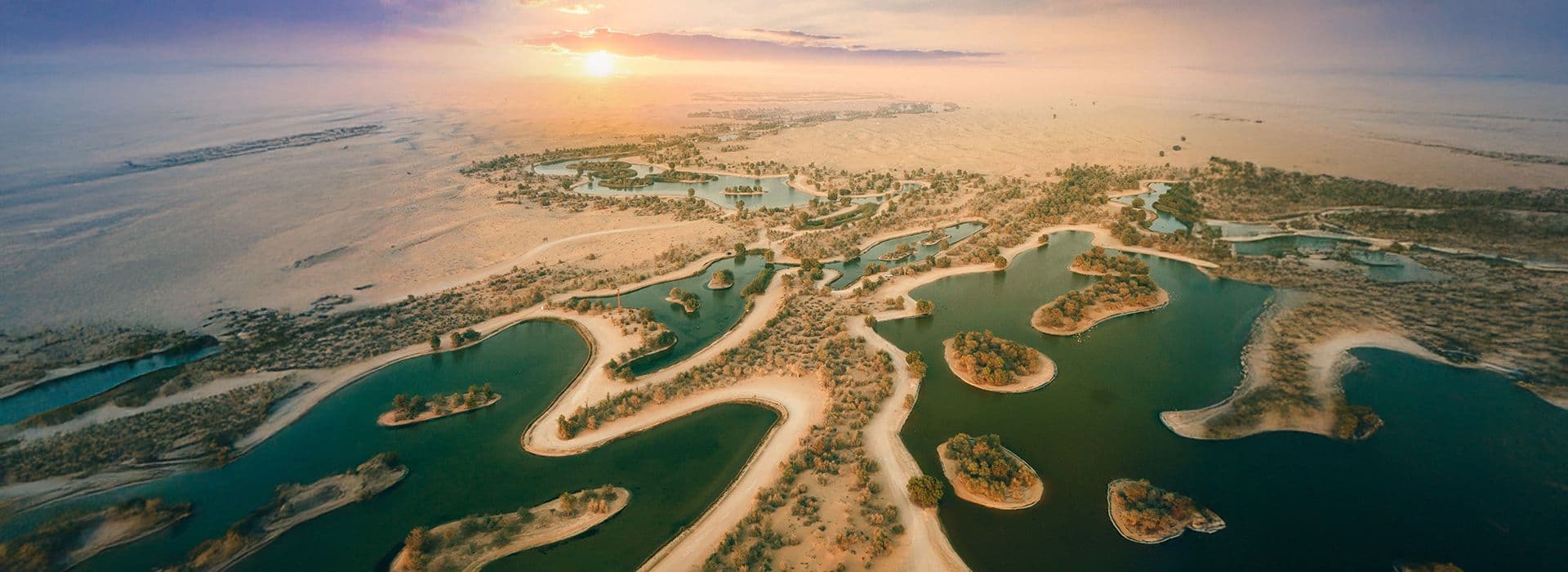
Many visitors choose Al Qudra to step away from the city’s pace and the demands of structured daily routines. The main reason is direct: wide desert terrain, quiet lakes, and extended sightlines, with minimal built development.
The area feels spacious and straightforward. Roads remain straight, dunes stay low, and the water extends without noise or obstacles. Visitors can walk, cycle, or pause for long periods, and they can choose their own pace. Families, cyclists, and photographers use the space side by side without interference, which keeps the environment organized.
Important Features of Al Qudra
Most visitors arrive during daylight hours. The first hour is often spent walking beside the lakes. Later, there may be a ride, a meal prepared on-site, or a long rest outdoors. The day ends quietly, without any prompt that it should.
This natural progression explains why the area functions without extensive infrastructure.
Important parts are:
- A wide desert with clear access points
- Lakes built by people that are home to birds and tiny animals
- Long bike paths for training and fun
- Open space where you can have a picnic or stay the night
- Structures that are limited and preserve the setting in the same way
These elements remain unobtrusive. They support the visit and do not take focus away from the setting itself. People who arrive prepared usually appreciate that balance.
Who Would Like Al Qudra?
This region suits people who accept fewer conveniences in exchange for more space. There are no nearby malls, and residential density is limited. That alone sets expectations from the beginning.
People who return often share similar motives. They prefer quieter weekends. They want separation from crowds. They want space to move around without obstacles.
Some common types of visitors are:
- Families making plans for a relaxing afternoon outside
- Cyclists focused on distance and keeping a steady pace.
- Photographers who use natural light
- People who want open spaces
- People who don't go to bustling entertainment areas
People who prefer structured, high-energy entertainment usually only go once. People who prefer a quieter day tend to come back.
Al Qudra's Detailed Features
The area includes open desert and water zones, with minimal distinction between use and environment. Facilities are kept to a minimum on purpose.
Lakes and Natural Areas
At Al Qudra Lakes, including Love Lake and Moon Lake, the water spreads across flat desert land and attracts birds year-round. Flamingos sometimes appear, while ducks and other small wildlife stay close to the edges. Visitors usually move slowly here out of respect for the area. The water zones remain managed, and the paths stay informal, which keeps movement predictable without fencing.
Bike Paths
The bike path is long and does not stop. Riders arrive early, cycle quietly, and then leave without traffic. Groups ride together, while solitary riders can retain their own pace without being slowed down.
Support locations along the way provide places to rest and access water, which allows longer sessions without interruption.
Places to Camp
There is an unwritten order to camping. People bring what they need. They leave things behind that they should not. Nights stay dark and quiet, with only the sound of wind or movement in the distance.
There is limited space between groups, but sound does not travel far.
Things to do in Al Qudra
The area does not direct people toward specific activities. It allows visitors to decide how the day unfolds.
Most visitors arrive with a plan, then adjust it as the day progresses. Time passes without frequent checking. Movement feels optional rather than scheduled.
Some things people do a lot are:
- Long bike rides
- Watching birds by the lakes
- Taking pictures of the sunset
- Picnics with the family
- Camping in the desert overnight
People move with purpose rather than urgency because distances are large.
Things to Do Near Al Qudra
The primary location holds attention, but a few nearby points help visitors orient themselves.
These are:
- Love Lake and the pathways that go around it
- Conservation areas close by
- Marked places to stop and rest while cycling
None of these points interrupts the setting. They remain part of the wider area.
Getting There and Getting Around
Private vehicles remain the only practical way to reach the area. Roads are open, clear, and easy to follow.
Traffic rarely builds up, even on busy days. Entry and exit remain straightforward.
Important Places to See Near Al Qudra
- Al Maktoum International Airport (DWC) is within a reasonable driving distance, especially for traffic coming from Dubai South.
- Districts in Dubai South
- Industrial areas of Jebel Ali
- Neighborhoods in Motor City
These reference points help visitors judge distance and estimated travel time without relying on guesswork.
Areas Close By and How Long It Takes to Get There
There are clear and direct routes that connect nearby areas, which makes it easier to estimate travel time before leaving. Drive times do not change much, which helps visitors plan day trips and return journeys without difficulty.
Nearby Area | Drive Time | Common Goal |
|---|---|---|
About 25 minutes | Business use | |
For about 30 minutes. | Access to homes | |
Takes about 40 minutes. | Business travel | |
45 to 50 minutes | In the city center |
This makes it easier for tourists to schedule when to refuel, rest, and come back.
Schools near Al Qudra
There are schools and learning options in and around the desert area, and direct road access makes daily school travel easy.
Daycares Close to Al Qudra
There are early learning centers in local communities that many families use. These are:
- Chubby Cheeks Nursery in Dubai South is noted for its regimented daily routines and programming for young children.
- British Orchard Nursery in Dubai Investments Park offers early education based on the British curriculum.
- Wonder Years Nursery in Remraam serves families from Motor City and adjacent neighborhoods.
Primary and Secondary Schools Close to Al Qudra
There are a number of schools that are a short drive away that serve families who live in neighborhoods that front the desert. Some common choices are:
- Dubai Investments Park's Greenfield International School
- South View School is close to Dubai South.
- Nibras International School is in Dubai South.
- Bright Riders School, which serves nearby residential areas
Colleges and universities close to Al Qudra
You can drive to higher education institutions, which are mostly located in academic areas around Dubai. These are:
- The University of South Wales in Dubai offers both undergraduate and graduate studies.
- MODUL University Dubai, which focuses on business, tourism, and technology studies
- Murdoch University Dubai offers degree programs that are recognized around the world.
These schools let kids get to and from school without having to take long or complicated trips.
Getting to Healthcare
There are no healthcare services in the desert zone; therefore, residents and visitors have to go to other areas for medical care. Most journeys require driving on main roads, so advance planning remains important.
Healthcare options close by include:
- NMC Royal Hospital in Dubai Investments Park offers both general and specialized medical care.
- Mediclinic Parkview Hospital is on Umm Suqeim Road and offers both emergency and outpatient services.
- Emirates Hospital Day Surgery, Motor City, is used for consultations and planned treatments
- CareOne Polyclinic takes care of everyday medical requirements in nearby towns.
You can still get to these places by car from the neighborhood.
Beaches Close to Al Qudra
A beach visit usually requires separate planning because the desert and the coastline offer different day formats. Many guests prefer to schedule them on different days rather than combine both in one trip.
There are a few beaches close by:
- JBR Beach is recognized for its sociable atmosphere, long walking paths, and easy access to restaurants and cafés.
- Marina Beach is a good place to go for a walk, eat a light meal, or go out at night along Marina Walk.
- Jebel Ali Beach is a tranquil shoreline with open sand and fewer people.
Compared to the desert, each beach follows a different pace.
What to Expect in the Future
It looks like the area will remain open rather than developed. If there are any changes, they will likely relate to safety measures and land protection.
The area is expected to remain largely open and preserved, with any future updates more likely to focus on safety measures, habitat care, and responsible land protection rather than major development. For guidance on living nearby or comparing surrounding communities, contact us to discuss your requirements and shortlist the best options.