DIP 1
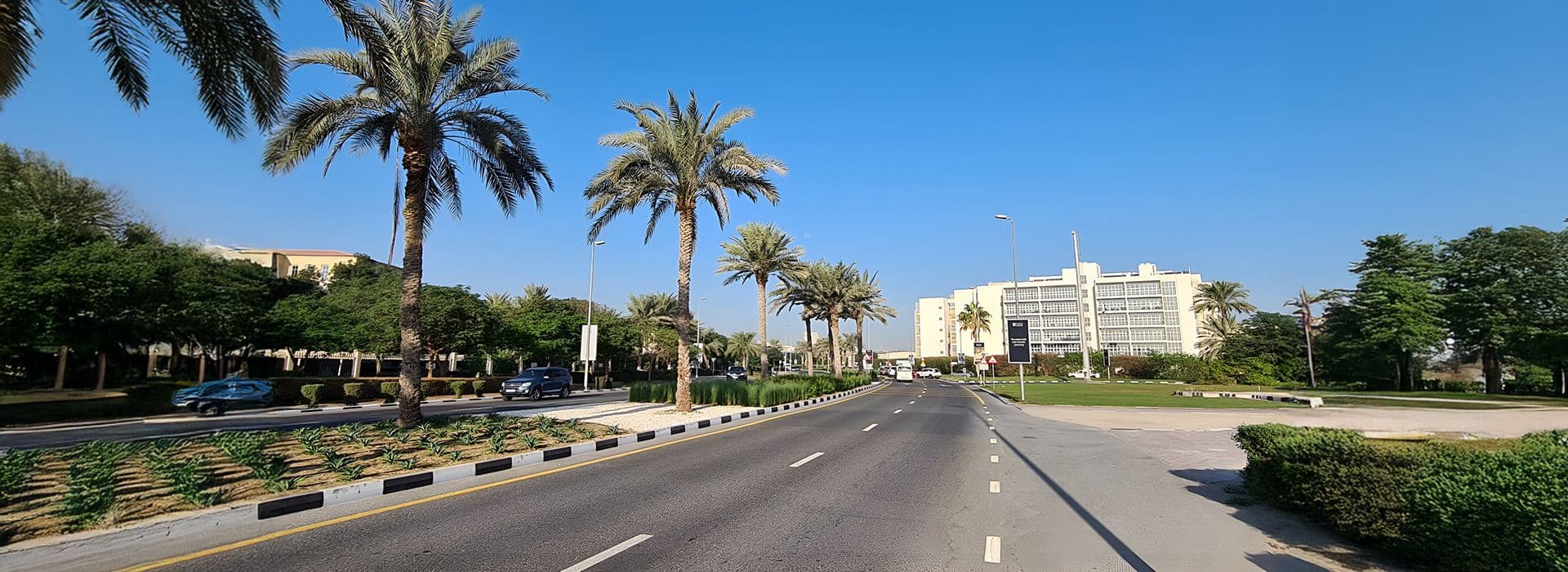
Dubai Investment Park 1 forms part of the wider Dubai Investments Park master development and brings together housing, warehouses, showrooms, and office space within one large planned district. The layout follows a functional structure. Roads run in clear lines, plots follow grid patterns, and service lanes connect main routes with the rear of each block. Workers, residents, and visitors move between homes, industrial buildings, and retail zones without long detours.
The district developed around industrial and logistics demand, while residential clusters and core community facilities remain positioned close to these work areas. Many residents choose the location because work sites, staff accommodation, and daily services remain within a single short drive. For companies, the combined presence of storage space, light industrial units, and office floors allows them to keep most operations under one district address.
Key Features of DIP 1
The district works as a mixed-use area rather than a pure residential suburb. A typical week for a resident or staff member includes short drives between warehouse rows, staff accommodation, and small community shops.
Main features include:
- Warehouses, logistics yards, and light industrial buildings
- Mid-rise apartment blocks and staff housing clusters
- Showrooms and office units along main internal roads
- Basic retail strips with supermarkets, cafés, and service stores
- Access to the main Dubai highways toward Jebel Ali and the city core
This structure keeps both blue-collar and white-collar workers close to their work sites. It also gives owners and investors steady demand from companies that require storage with quick road access.
Who Would Enjoy DIP 1
DIP 1 is not a tourist district. It suits people and firms that see space, access, and cost as the main points. Groups who tend to fit well include:
- Logistics and trading companies that need warehouse space
- Manufacturing units that depend on truck access and yard space
- Staff who prefer to live near large work sites
- Families working in Jebel Ali, Dubai South, or nearby business parks
- Investors who look for stable rental demand from corporate tenants
The area stays fairly active on workdays, with truck movement and shift changes shaping the rhythm of the streets. Evenings feel calmer, but the focus still sits on function more than leisure.
Detailed Features of DIP 1
The detailed features of Dubai Investment Park 1 highlight how hotels, retail strips, open spaces, and leisure spots support the daily routines of workers, residents, and visiting clients.
Hotels in and near DIP 1
Visitors arrive for site meetings, audits, or training sessions and often prefer short transfers from warehouse clusters and offices. Nearby hotels support this pattern with simple, business-friendly stays close to Dubai Investment Park 1.
Guests usually look for:
- Quick access to internal roads and on-site parking
- Straightforward meeting spaces or small business corners
- Shuttle or taxi links to the metro or nearby districts
Some practical hotel options include:
- Premier Inn Dubai Investments Park
- Courtyard by Marriott Dubai, Green Community
- The Maisan Hotel along the DIP corridor
Malls near DIP 1
Large regional malls do not stand within Dubai Investment Park 1, but several are located within a short drive. Residents and staff use these centers for weekend plans, bulk shopping, and dining, while daily basics remain covered by local supermarkets inside the district.
Common mall choices include:
- Ibn Battuta Mall – full-line retail, cinema, and a wide food court
- City Centre Me’aisem – groceries, fashion, and regular service outlets
- The Outlet Village near Jebel Ali – branded outlet stores and casual dining
Parks and Open Spaces
Green pockets across the wider development remain modest yet practical. Small community areas and landscaped stretches support short evening breaks after work.
Notable open spaces include:
- Green Community Park in the nearby Green Community area
- Smaller neighborhood parks near residential and staff housing blocks
- Landscaped walking paths and seating areas around internal community lakes and shaded corners near cafés and cafeterias
Things To Do in DIP 1
Leisure inside the district stays simple and linked to daily routines:
- Evening walks around residential blocks
- Cafés and casual restaurants near main junctions
- Gym facilities in some residential and staff complexes
- Occasional community sports on open plots or small courts
For larger leisure plans, residents usually drive toward coastal areas, destination malls, or Expo and Marina side attractions.
Attractions Linked to the Area
The park itself has more work sites than classic attractions. Its main pull is the link to wider Dubai points of interest. People use the district as a base to reach:
- Expo City Dubai for events or exhibitions
- Marina and JBR for weekends
- Jebel Ali Port and free zone for business meetings
Most Popular Communities in DIP 1
Residential pockets are in between or beside industrial strips, and planners keep housing slightly buffered from heavy truck movement. Families usually choose streets with better internal roads and simpler parking, while companies often lease full blocks for staff housing.
Ewans in DIP 1
Ewans offers mid-rise apartment clusters with practical layouts. Many blocks host a mix of staff units and family homes, with internal courtyards, shared pools, and basic play areas. The community suits residents who want straightforward access to offices, warehouses, and nearby service roads inside Dubai Investment Park 1.
Dubai Lagoon Residences
Dubai Lagoon includes low- to mid-rise buildings set around internal water features and shared open spaces. Apartments range from smaller units for young workers to larger homes for families. Residents pick this pocket for its quieter internal streets and the ability to reach main industrial and logistics plots in a short drive.
Staff Accommodation Clusters in DIP 1
Staff accommodation clusters consist of larger buildings planned for shared layouts. Many companies lease entire blocks for teams, so workers stay close to their shifts. Rooms connect to canteens, small shops, and simple outdoor seating areas, creating a functional base inside Dubai Investment Park 1 for daily routines and transport to work sites.
Types of Properties in DIP 1
The district carries a broad mix of property types. Each serves a different part of the community:
- Warehouses and logistics units
- Light industrial sheds with office add-ons
- Showrooms along main roads
- Office floors above or beside retail
- Studio and one-bed apartments
- Larger apartments or townhouses in selected pockets
This mix makes the area flexible. A trading firm can store goods, run an office, and house part of its staff inside the same wider district.
Accessibility and Transport in DIP 1
The park links to main Dubai roads, which matters for freight and daily commutes. Internal streets connect to long regional highways, so trucks and private cars move out toward Jebel Ali or central Dubai without complex turns.
Bus and Metro Access
Public transport serves the park through bus routes that link with nearby metro stations. Workers use these links for shift travel, while some residents still prefer private cars or company buses.
Key Landmarks near DIP 1
Important nearby landmarks include:
- Jebel Ali Free Zone — short drive to port and trade activity
- Expo City Dubai — an event and business hub within easy reach
- Dubai Marina — a coastal lifestyle and dining zone to the north
- Al Maktoum International Airport (DWC) — an airport for cargo and passenger flights, reached by direct highway routes
These landmarks shape both work patterns and weekend plans for people based in the park.
Nearby Areas and Approximate Travel Times
These nearby areas give residents and companies in the district clear options for work, shopping, and weekends, since each destination sits within a direct drive from the main highway corridor.
Nearby Area | Approx Travel Time by Car | Main Purpose / Facilities |
|---|---|---|
Jebel Ali Free Zone | 10–15 minutes | Port access, logistics, and industrial sites |
Expo City Dubai | 10–15 minutes | Events, offices, visitor attractions |
Dubai Marina | 20–25 minutes | Restaurants, waterfront, retail |
20 minutes | Golf courses, villa communities | |
Dubai South / DWC area | 20–25 minutes | Airport links, aviation and logistics |
This table gives a basic sense of how residents and firms plan daily or weekly routes from the district.
Education Near DIP 1
Families and staff with children look at schools and nurseries along the corridor from Dubai Investment Park 1 toward Dubai South and the surrounding residential areas.
Nurseries
Nurseries in surrounding communities serve staff families and young couples who live in apartment clusters. Parents often pick options on the same route to work.
- British Orchard Nursery, DIP
- Chubby Cheeks Nursery, Dubai South
- Wonder Years Nursery, Remraam
Primary and High Schools
Several international and local curriculum schools sit in nearby communities. Many families choose schools based on bus routes that pass close to housing blocks or company accommodation.
- Greenfield International School
- Nibras International School
- South View School
- Bright Riders School
Universities
Higher-education options sit farther away across the main academic zones. Students in the park commute by car or shared transport.
- University of South Wales Dubai
- Modul University Dubai
- Murdoch University Dubai
Healthcare Facilities in DIP 1
Basic medical needs are covered through clinics, pharmacies, and small health centers within or close to the park. For larger treatment, residents and staff visit hospitals in nearby residential districts along the same highway corridor. Quick road access makes emergency trips more manageable. Nearby options include:
- NMC Royal Hospital DIP
- CareOne Polyclinic
- Mediclinic Parkview Hospital
Beaches Near DIP 1
The sea is not far, though it is not part of the industrial view. People usually drive out for coastal time.
JBR Beach
JBR Beach draws many residents for weekend visits. They go for the long walking strip, food outlets, and family-friendly shore.
Marina Beach
Marina Beach sits near towers and the marina walkway. Visitors enjoy a mix of sand, short walks, and simple dining choices.
Jebel Ali Beach Area
The Jebel Ali coast feels calmer, with fewer crowds and more open sand. It suits people who prefer a quieter shoreline and less visual noise.
Future Plans for DIP 1
The wider park is expected to see upgrades in infrastructure, utility capacity, and internal landscaping as demand grows. Some plots may shift from pure storage use to more mixed commercial and light industrial layouts. Over time, this can support more service businesses, staff facilities, and better public spaces, which helps both companies and residents.
For buyers, tenants, or firms that want to understand current stock in detail, we help shortlist so that each requirement matches the right cluster inside the park.