Jebel Ali Industrial Area
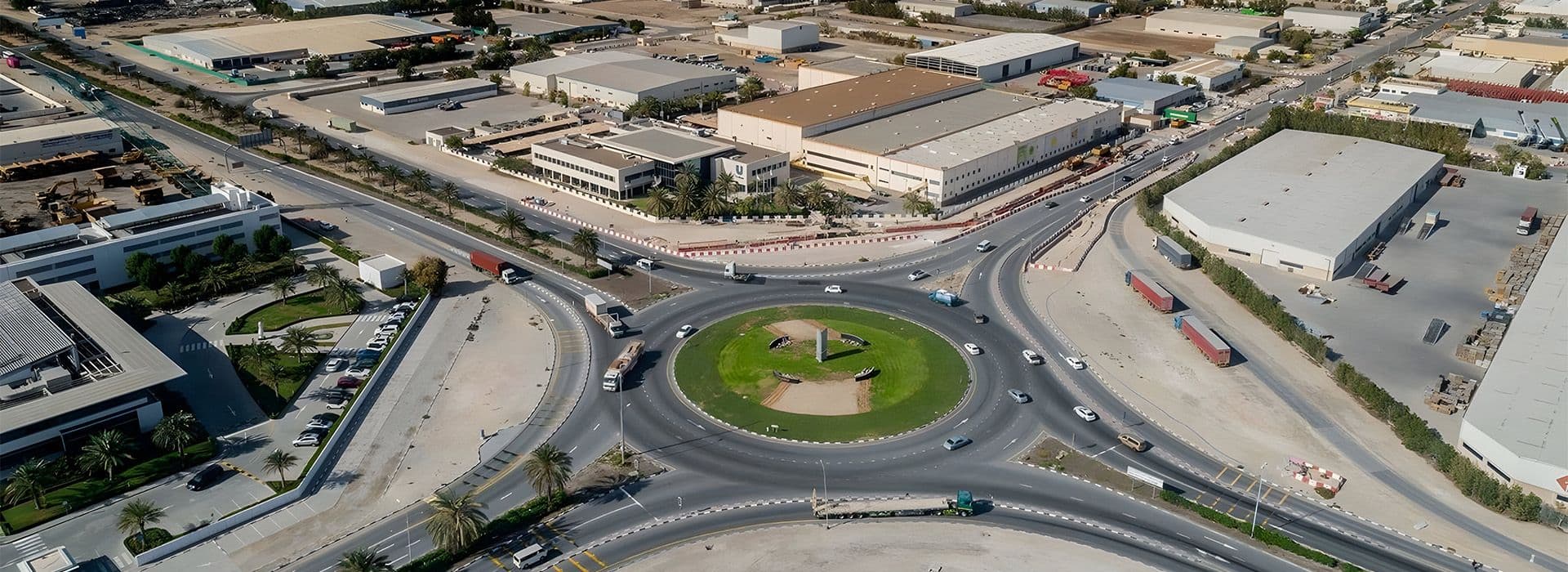
Jebel Ali Industrial Area is situated in a part of Dubai that many people link with work, trade, and movement. The district grew around the need for storage space, workshops, and support housing for staff. The layout includes long warehouse rows, labor and staff accommodation blocks, low-rise residential buildings, and pockets of shops that keep daily life running. Streets stay wide enough for trucks and pickups, while inner lanes help residents move on foot between homes, cafeterias, small markets, and prayer spaces.
People connect this area with Jebel Ali Free Zone and the port, but the industrial blocks serve many types of companies. Logistics firms, light manufacturing units, automotive workshops, and trading companies use the plots here as a base.
For many residents and business owners, the main attraction is simple: Jebel Ali Industrial Area keeps work, storage, and basic services in one zone. Travel to other business corridors stays reasonable, and the district holds a straightforward, functional character that some people prefer over busy retail zones.
Key Features of Jebel Ali Industrial Area
Jebel Ali Industrial Area supports a direct, work-driven lifestyle. A person who stays here for a week sees the same pattern every day. They start from staff housing or an apartment, walk or drive to the warehouse or yard, pick up supplies from a nearby grocery, and maybe stop at a cafeteria in the evening before heading back.
Some key features include:
- Wide plots with warehouse and factory buildings
- Long rows of staff and worker housing
- Close link to Jebel Ali Free Zone and port activities
- Service shops, groceries, and cafeterias are spread across the blocks
- Simple access to main highways and truck routes
- Proximity to large logistics parks and storage hubs
These features show how the district functions as a working base. A resident or company decision maker does not need long drives for basic daily needs, and most essential services stay inside or just outside the industrial blocks.
Who Would Enjoy Jebel Ali Industrial Area
Jebel Ali Industrial Area does not try to behave like a leisure neighborhood. It stays focused on work, operations, and simple daily life. That shape fits certain groups very well.
People who may find the area suitable include:
- Logistics companies that need warehouse space near the port and free zone
- Manufacturing units that require flexible industrial plots
- Staff and crew members who prefer to live near their workplace
- Small business owners who run workshops or trading yards
- Long-term investors who look at industrial yields and stable demand
Many residents describe the surroundings as direct and predictable. You know what to expect in terms of movement, truck flow, and working hours. For some people that steady pattern gives comfort, because it matches their shift schedules and business routines.
Detailed Features of Jebel Ali Industrial Area
Jebel Ali Industrial Area spreads its features across industrial, commercial, and residential use. The focus remains on function rather than decoration, which for many companies is exactly what they look for.
Warehousing and Logistics
Warehouses range from compact storage units to large, high-bay blocks designed for racking systems. Many firms follow known techniques here:
- Just-in-time inventory methods for fast-moving goods
- Cross-docking layouts where goods shift from inbound to outbound trucks
- Pallet racking systems to use vertical space in efficient ways
Loading bays, truck parking, and side yards form part of most plots. This allows distribution companies and freight forwarders to handle goods movement without leaving the zone.
Industrial Facilities and Workshops
Beyond logistics, the district supports workshops and light industrial units. You see:
- Mechanical and automotive repair facilities
- Fabrication sheds and assembly units
- Storage for equipment, tools, and spare parts
These spaces give companies room to build, repair, and handle custom jobs. The simple road grid means suppliers and clients can reach the site with clear directions.
Retail and Daily Services
Inside Jebel Ali Industrial Area, retail stays practical. You will not find large shopping malls inside the industrial lanes, yet small clusters support daily needs:
- Groceries and mini markets
- Cafeterias and casual restaurants
- Pharmacy outlets and basic clinics
- Money exchange and small office services
Staff do not need to travel far for basic items after a long shift. Many choose to walk from their housing block to these shops in the evening.
Open Spaces and Practical Spots
Green parks are limited inside the deeper industrial blocks, but there are:
- Small seating pockets near staff buildings
- Open yards where residents gather after work
- Mosques with clear courtyards that act as social points
These spots give workers a simple space to sit, talk, and relax after a long day, even if the primary use of the land remains industrial.
Most Popular Communities in Jebel Ali Industrial Area
Communities inside Jebel Ali Industrial Area follow straightforward planning. Buildings sit in grids, inner roads stay open for both light vehicles and trucks, and basic facilities remain within short reach.
Jebel Ali Industrial Area 1
Jebel Ali Industrial Area 1 holds a mix of industrial plots and mid-rise residential buildings. Many staff apartments, shared units, and company accommodations sit close to warehouses, making daily commutes short and predictable.
Jebel Ali Industrial Area 2
This area carries more industrial weight, with larger plots and heavy storage yards. Some staff housing is near main routes, giving supervisors and managers the chance to stay near operations.
Staff and Company Housing Clusters
Several blocks work as staff housing clusters linked to specific companies. These buildings often include shared facilities like laundry rooms, dining halls, and simple recreation areas that keep staff life aligned with shift patterns.
Types of Properties in Jebel Ali Industrial Area
The area does not present the same mix as a pure residential suburb. Instead, it balances different property types that support industrial and logistics activity.
Main property types include:
- Warehouses: Single or combined units with flex heights and multiple loading doors
- Industrial plots: Built-to-suit units, factories, and workshops
- Staff accommodation: Shared rooms, staff housing blocks, and company quarters
- Apartments: Selected mid-rise buildings with small to mid-sized units
- Showrooms and office floors: Along main roads for display and basic administration
Residents and investors consider both work needs and comfort levels when they select units. Many companies lease both warehouse and staff housing together to keep operations tight.
Popular Property Setups in Jebel Ali Industrial Area
Instead of only one type of project, you see repeated patterns:
- Warehouse rows with attached office cabins
- Mixed-use low-rise buildings with shops on the ground floor
- Staff buildings with clear separation between living and service zones
These setups remain practical for firms that manage both people and goods flows under one district.
Accessibility and Transport in Jebel Ali Industrial Area
Transport acts as one of the strongest reasons people choose Jebel Ali Industrial Area. The zone sits near major highway connections and important business corridors.
Road Connections
Key routes around the area include long, straight roads that link to Dubai’s bigger network. From here, trucks and staff vehicles reach other districts without complex detours. Parking yards and turning spaces keep heavy traffic manageable inside many plots.
Bus Stations in Jebel Ali Industrial Area
Public buses pass through main edges and select inner lanes. Staff members who do not drive use these routes to reach metro stations, nearby communities, and other work zones along the corridor.
Key Landmarks near Jebel Ali Industrial Area
Important landmarks around the district include:
- Jebel Ali Free Zone
- Jebel Ali Port
- Dubai Investments Park
- Dubai South business districts
- Al Maktoum International Airport (DWC)
These places connect Jebel Ali Industrial Area to wider trade, aviation, and logistics activity. The presence of DWC in particular supports air freight, express cargo, and future growth in logistics technology.
Nearby Areas and Approximate Travel Times
Nearby Area | Approx Travel Time by Car | Main Reason to Visit |
|---|---|---|
Jebel Ali Free Zone | 5–10 minutes | Warehouses, corporate offices |
Dubai Investments Park | 10–15 minutes | Offices, factories, showrooms |
Dubai Marina | 20–25 minutes | Dining, waterfront, social time |
Jebel Ali Port Gate areas | 5–12 minutes | Shipping, container handling |
Dubai South / DWC | 15–20 minutes | Airport, logistics parks |
This table helps residents and decision makers plan daily travel, supplier visits, and client meetings.
Education Near Jebel Ali Industrial Area
Jebel Ali Industrial Area itself remains work-focused, but families and senior staff often live in nearby residential communities. Many choose the district because the drive to schools in neighboring zones stays manageable.
Nurseries Near Jebel Ali Industrial Area
Nurseries in surrounding areas such as Dubai Investments Park, Jebel Ali Village, and communities along the main highway support young children. Parents often pick based on route convenience from home to workplace.
Primary and High Schools Near Jebel Ali Industrial Area
Families can reach schools in nearby residential districts within a short drive. These schools cover common curricula and serve children whose parents work in industrial, logistics, and port-related roles.
Training and Vocational Centers
Because the area has a strong industrial base, training centers and vocational institutes near Jebel Ali Industrial Area focus on:
- Health and safety training
- Warehouse and forklift operation skills
- Logistics and supply chain courses
Many companies use these centers for staff upskilling and compliance programs.
Healthcare Facilities in Jebel Ali Industrial Area
Healthcare access stays important where many workers live and work in close proximity. Jebel Ali Industrial Area connects to clinics and hospitals in nearby zones.
Nearby options include:
- Clinics inside or near industrial blocks for basic checks
- Medical centers in Dubai Investments Park and Jebel Ali residential areas
- Larger hospitals reachable within a short drive along the main highway
Smaller pharmacies sit across inner roads, which makes daily medicine needs easier for residents and staff.
Jebel Ali Industrial Area and Nearby Beaches
While the district itself focuses on work and storage, beaches and leisure coastlines sit within driving distance. Many workers and families prefer weekend trips to the sea for open views and quiet time.
Jebel Ali Beach Area
Jebel Ali Beach Area gives a more relaxed shoreline with wider sand stretches and a calmer feel. Residents visit for simple walks, small gatherings, and a change from industrial surroundings.
Marina and JBR Beach
Dubai Marina and JBR sit further along the coastline but still reachable. People go there for:
- Long walking paths along the water
- Dining spots and cafés
- Public beach areas where families spend afternoon and evening hours
For many, these weekend visits balance the work-heavy routine of the industrial district.
Future Plans for Jebel Ali Industrial Area
Jebel Ali Industrial Area will stay linked to trade and logistics. Over time, upgrades often focus on making movement smoother and adjusting buildings to modern standards.
Expected directions include:
- Refreshed warehouse designs with better loading layouts
- More organized truck routes and entry points
- Additional staff housing with improved shared facilities
- Gradual inclusion of greener pockets in selected lanes
- Wider use of logistics methods such as route optimization tools and warehouse management systems
These steps help companies run leaner operations while keeping living conditions more structured for staff.
FAQs about Jebel Ali Industrial Area
What is the Jebel Ali Industrial Area?
Jebel Ali Industrial Area is a work-driven district in Dubai with warehouses, factories, staff housing, and support services linked to trade, logistics, and nearby free zone activity.
Is the Jebel Ali Industrial Area suitable for warehouses?
Yes, many companies choose this district for storage, cross-docking, and distribution setups that rely on just-in-time inventory and simple truck access to highways.
Can families live near the Jebel Ali Industrial Area?
Some families live in nearby residential buildings and close communities. They choose it when one or both parents work in industrial or logistics roles in the area.
Which logistics techniques work well here?
Firms often use pallet racking, barcode-based stock control, and basic route planning software to keep goods movement stable between port, airport, and city clients.
Is the Jebel Ali Industrial Area good for long-term investors?
Investors who prefer industrial yields and steady demand often study this district. Many see it as a long-term base tied to the city’s trade and logistics growth.