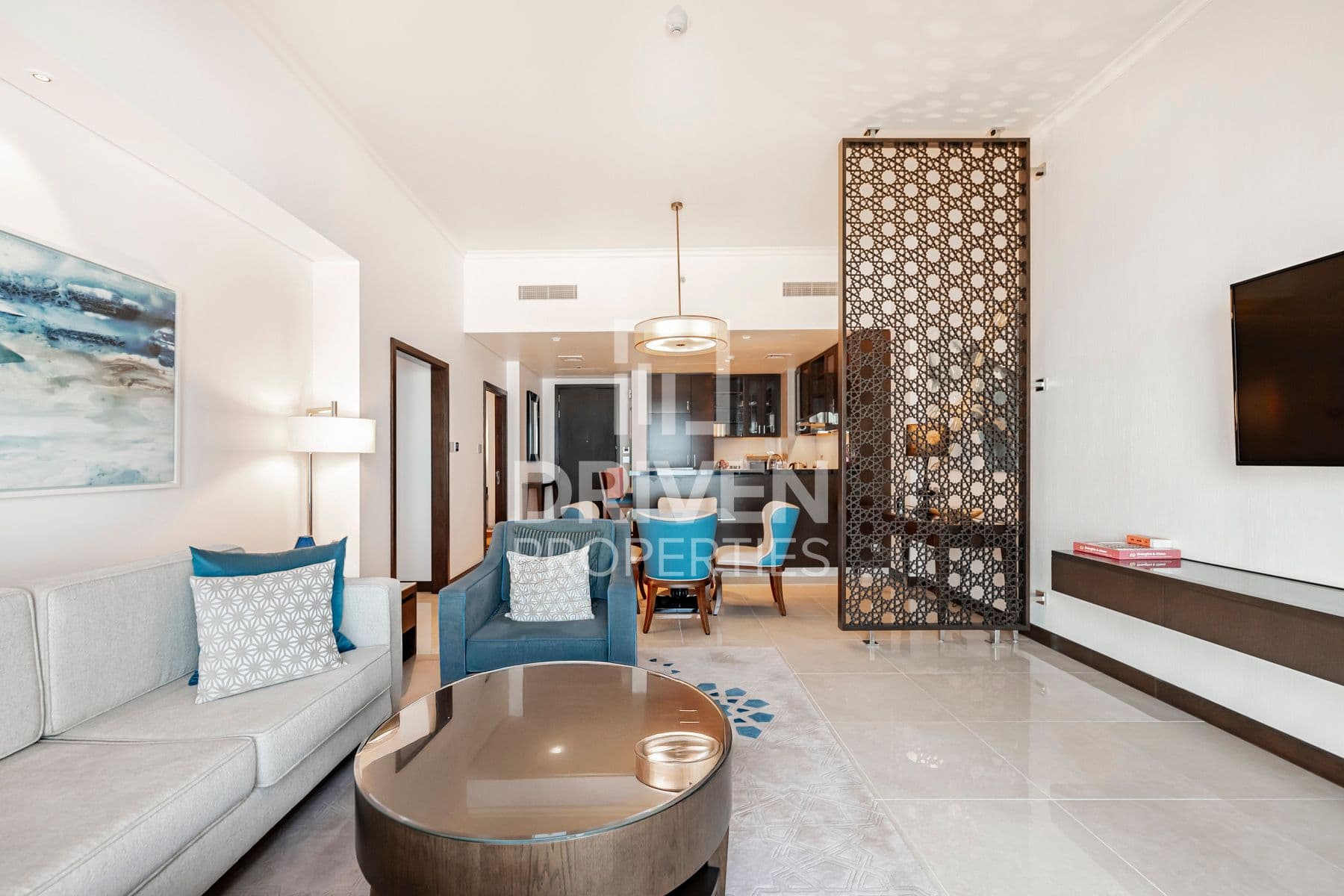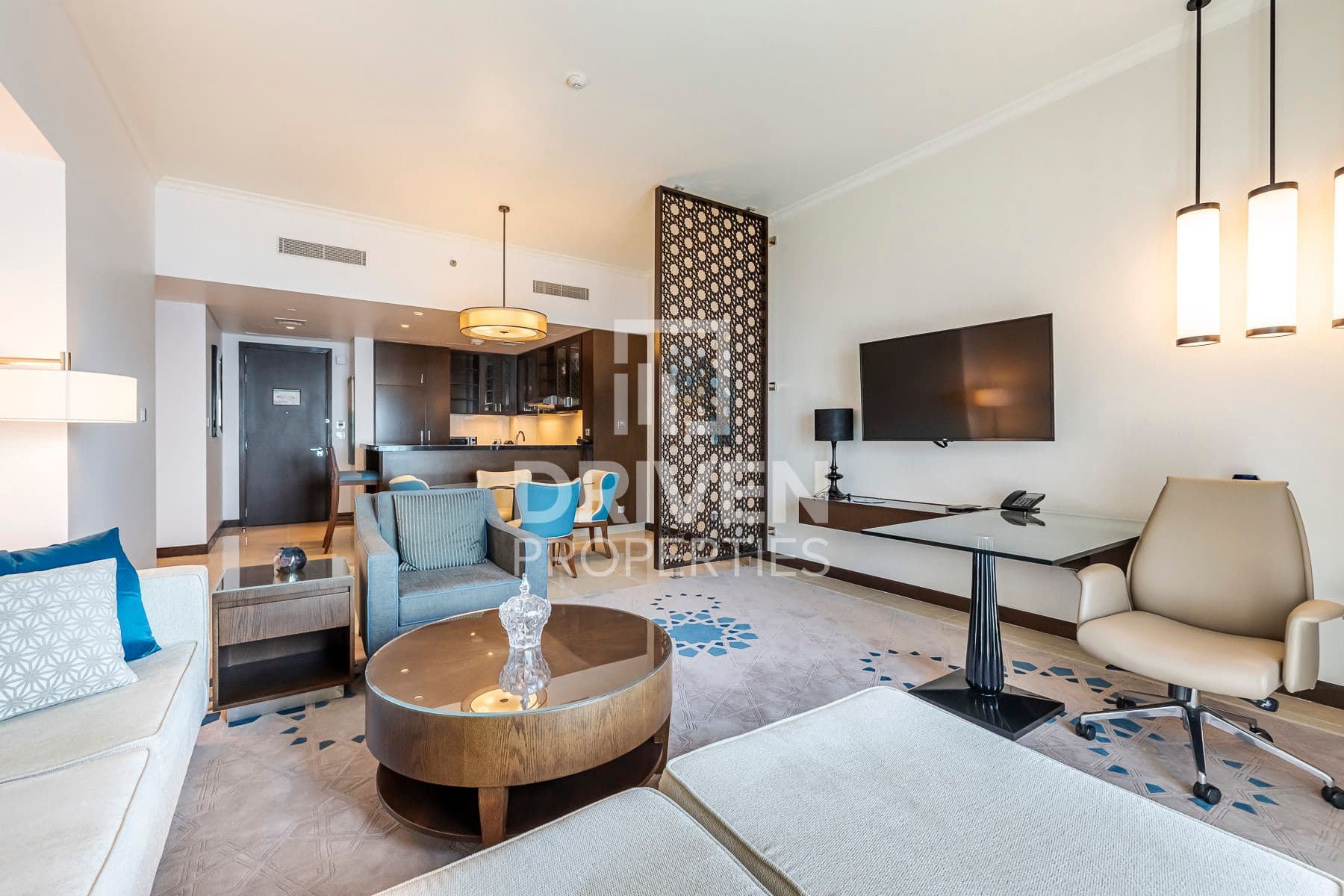
Are you trying to choose between a normal apartment and a hotel apartment, and still not sure which one gives stronger value in 2026? You are not alone. Many buyers face this same decision now. Prices moved. Buyer profiles changed. Rental demand shifted. At the same time, Abu Dhabi improved infrastructure, tourism zones, and long-term residency pathways. So, this market looks different from even two years ago.
Most people enter this segment with one clear goal. They want income with less daily management. They want a property that stays attractive to tenants and short-stay guests. They also want a product that holds value in premium locations. Hotel apartments can solve these goals, but only when you choose the right unit, contract model, operator quality, and location strategy.
This guide explains the full picture in plain U.S. English. I will go deep into unit types, pricing logic, area selection, operating models, and risk control. You will also see where buyers make mistakes and how to avoid them. If you plan carefully, this segment can work very well for both end users and investors.
After this introduction, keep one core point in mind. A hotel apartment is not “just a furnished flat.” It is an operating asset. It needs commercial thinking, cost discipline, and strong due diligence. Once you treat it this way, your decisions become sharper and your results improve.
Why Buy a Hotel Apartment in Abu Dhabi?
Buyers choose hotel apartments for one simple reason: function plus income. A standard apartment can give rent. A hotel apartment can give rent with a service layer and stronger tenant turnover options. That creates flexibility.
First, this asset class connects to real demand drivers:
- Corporate relocation traffic
- Medical travel and treatment-related stays
- Project-based consultants and contract teams
- Tourism and event demand
- Long-stay residents who want managed living
Second, hotel apartments reduce operational stress for many owners. In many projects, management teams handle cleaning standards, guest coordination, and common area quality control. This setup can protect asset perception over time.
Third, unit presentation quality stays high in many branded or professionally managed towers. That helps occupancy. It also supports resale narratives when the next buyer compares your property with non-managed alternatives.
Now let us apply EBBA logic here in practical terms:
- Empathy: Buyers want stable returns and less friction.
- Benefit: Managed inventory can improve occupancy and tenant retention.
- Bridge: You still need to assess contract structure, service costs, and demand depth.
- Action: Buy only after operator review, yield stress test, and fee breakdown.
In addition, this segment helps specific buyer groups:
- Investors who live abroad and want easier oversight
- Business owners who need city access and occasional personal use
- Families who want part-time use and part-time income
- First-time investors who prefer structured management systems
Still, you should not assume every hotel apartment performs well. Performance depends on micro-location, building age, service quality, operator discipline, and cost control. Therefore, professional screening matters.
Types of Hotel Apartments Available
Not all hotel apartments follow one model. You need to identify the correct type before you compare prices or yields. If you skip this step, you may compare two units that look similar but perform very differently.
1. Branded Serviced Residences
These units connect to a known hospitality brand. Brand systems often support global booking channels, standardized guest experiences, and stronger marketing power. That can support occupancy. Yet purchase prices and annual charges often run higher.
Best for:
- Buyers who prioritize brand visibility
- Buyers who want higher positioning and premium tenant profile
- Investors with longer hold periods
2. Operator-Managed Non-Branded Units
These projects use professional management but no global brand label. In many cases, the entry price sits lower. If management stays strong, returns can still look attractive.
Best for:
- Yield-focused investors
- Buyers who want lower entry points
- Investors comfortable with manager performance tracking
3. Hybrid Residential-Hospitality Units
Some projects permit dual use. Owners can occupy the unit for part of the year and release it to managed inventory for the rest. This structure gives personal flexibility.
Best for:
- Frequent travelers
- Buyers who split personal use and income goals
- Families with rotating occupancy needs
4. Long-Stay Executive Inventory
These units target corporate stays from one month to one year. Lease cycles can look more stable than very short-stay models. Revenue swings may reduce in many seasons.
Best for:
- Risk-controlled investors
- Buyers who prefer predictable occupancy windows
- Portfolios seeking lower volatility
When comparing these categories, always evaluate
- Operator track record
- Contract lock-in period
- Revenue-sharing formula
- Furniture replacement policy
- Service charge structure
- Exit and resale restrictions
Many investors focus only on purchase price. That is not enough. Net return after all costs defines the real story.
Best Areas to Buy Hotel Apartments in Abu Dhabi
Location choice drives almost everything: occupancy, rate strength, tenant profile, and resale demand. You should choose a location based on the demand source, not only on headline pricing.
Al Reem Island
Al Reem combines modern residential supply with strong connectivity to business districts. It attracts professionals, couples, and long-stay tenants. Many investors like this area because demand stays active across different tenant groups.
Why buyers consider it:
- High accessibility
- Mixed tenant base
- Strong mid-market depth
Yas Island
Yas attracts tourism, events, and leisure traffic. That supports short-to-medium stay models. Branded and lifestyle inventory often performs well here when unit quality and operator standards remain high.
Why buyers consider it:
- Event-driven demand
- Leisure-linked occupancy streams
- Strong destination identity
Saadiyat Island
Saadiyat offers premium positioning. Cultural demand, coastal profile, and master-planned development support long-term value narratives. Entry prices sit higher, yet product quality and prestige can support pricing power.
Why buyers consider it:
- Premium brand perception
- Higher-end tenant profile
- Long-term capital quality narrative
Al Maryah and Adjacent Business Corridors
Business-driven demand supports executive stays. Units near commercial hubs can perform well with corporate clients and project consultants.
Why buyers consider it:
- Corporate tenant pool
- Strong weekday demand patterns
- Reliable long-stay potential
Corniche and Central Urban Zones
Central zones still attract professionals and families who value direct city access. Inventory varies by building age. Unit selection discipline matters here.
Why buyers consider it:
- Central location appeal
- Daily convenience
- Balanced tenant demand mix
Use this location filter before purchase:
- Who will rent this unit and why?
- What stay duration dominates this micro-market?
- Which buildings compete in the same product tier?
- How stable is future nearby supply?
- Does the operator match local demand behavior?
If answers stay vague, pause the deal.
Hotel Apartment Prices in Abu Dhabi (2026)
Price benchmarking needs structure. If you use broad averages, you may misread value. You should compare by location tier, unit size, furnishing standard, management model, and building age.
Below is a practical 2026 working table for market screening.
Segment Type | Typical Unit Mix | Working Price Band (AED) | Typical Buyer Intent |
Entry Managed Studio | Studio to 1BR | 650,000 – 1,150,000 | First-time investor, yield focus |
Mid-Market Serviced Unit | 1BR to 2BR | 1,150,000 – 2,300,000 | Balanced income + resale |
Upper Mid-Market Branded/Managed | 1BR to 2BR | 2,300,000 – 4,000,000 | Quality-led investor, corporate tenant target |
Premium Lifestyle Serviced Residence | 2BR to 3BR | 4,000,000 – 7,800,000 | High-income buyer, mixed personal use |
Luxury Branded Coastal/Island Inventory | 2BR to 4BR | 7,800,000 – 18,000,000+ | Capital preservation + prestige + premium rates |
These ranges help initial planning. They do not replace live unit-level due diligence.
Now, apply the pricing technique in three steps:
1. Price-per-square-foot comparison:
Compare only with true peer inventory. Do not compare a branded serviced unit with a non-managed standard flat.
2. Net yield model:
Calculate gross income, then subtract service charges, operator fees, maintenance reserve, vacancy allowance, and transaction costs.
3. Exit scenario test:
Build conservative, base, and strong resale paths. If the deal fails under conservative assumptions, revisit entry price.
Also check hidden cost buckets:
- Annual service charges
- FF&E replacement reserve
- Management and booking commission
- Utility package split rules
- Vacancy and seasonal rate pressure
Many buyers underestimate one or more of these items. Then expected return drops.
Hotel Apartments – Living vs Investment
A hotel apartment can serve as a home. It can also serve as an investment unit. Yet decision criteria should differ.
If You Plan to Live in It
Focus on:
- Daily comfort and privacy
- Noise control and circulation design
- Parking and building access flow
- Kitchen functionality and storage
- Long-term service reliability
For end users, management quality still matters because your day-to-day experience depends on service execution.
If You Plan to Invest
Focus on:
- Net operating yield
- Occupancy consistency across seasons
- Demand diversity across tenant segments
- Contract clauses and owner rights
- Future competing supply within the same product class
For investors, discipline wins. Emotion reduces performance. Keep this checklist:
- Stress test income for lower occupancy
- Cap assumptions on nightly rate growth
- Include vacancy months in your model
- Request full fee schedule in writing
- Verify contract termination clauses
If You Want Dual Use
Dual use can work well. But it needs clear structure. Decide your annual personal-use window first. Then align management release periods around that window. Without this plan, revenue planning breaks.
Use a simple allocation model:
- 20% personal use / 80% managed release
- 30% personal use / 70% managed release
- 10% personal use / 90% managed release
Choose one model before signing. Do not improvise later.
Abu Dhabi Hotel Apartment Market Outlook 2026
The 2026 outlook looks constructive but selective. Demand remains linked to tourism, business travel, events, and professional relocation. At the same time, buyers now ask harder questions. That improves market maturity.
Three trends stand out.
1. Professional Management Quality Is Becoming a Core Value Driver
Two similar units can perform differently under different operators. Investors now evaluate manager reporting quality, occupancy strategy, and rate control methods before buying. This shift is healthy.
2. Buyers Want Cost Transparency
In past cycles, many buyers accepted headline projections. Now, serious investors ask for full net models. They want fee logic, reserve rules, and contract rights in black and white. This change reduces surprise risk.
3. Location Selection Is Becoming More Data-Led
Buyers now track demand origin by micro-market. They assess corporate demand in business zones and leisure demand in destination zones. This improves matching between product and customer type.
For 2026, practical strategy looks like this:
- Choose proven micro-locations
- Prioritize operator quality over brochure language
- Buy at realistic entry value
- Build conservative net return models
- Keep a medium-to-long hold horizon
In short, this market can reward prepared investors. It does not reward guesswork.
If you want a professional process, use a staged approach:
- Stage 1: Objective setting and budget band
- Stage 2: Area shortlist and product filtering
- Stage 3: Net yield underwriting with cost stress test
- Stage 4: Contract review and legal check
- Stage 5: Negotiation, acquisition, and post-purchase performance tracking
This framework helps you protect the downside and improve
Final Thoughts
Hotel apartments in Abu Dhabi can work very well when the decision stays data-led. Location quality, operator strength, service charge structure, and contract terms decide long-term performance. If you buy with a clear income model and a realistic exit plan, this asset class can support stable returns and portfolio balance.
At the same time, each project has different mechanics. Therefore, buyers should not rely on brochure claims alone. A proper review of net yield, occupancy assumptions, management clauses, and resale positioning is essential before commitment.
If you want expert support at each stage, we at Driven Properties can guide you with project shortlisting, financial screening, unit comparison, negotiation, and end-to-end transaction support. Connect with Driven Properties to move forward with a strategy built for results.
Frequently Asked Questions:
1. Can foreigners buy hotel apartments in Abu Dhabi?
Yes. Foreign buyers can purchase in designated investment zones. Verify title type, ownership rights, and project-specific rules before signing. Always confirm the registration pathway and transfer charges.
2. Are hotel apartments a good investment in Abu Dhabi in 2026?
They can perform well with correct location, operator quality, and net-yield discipline. Use conservative underwriting, vacancy stress testing, and fee transparency checks before acquisition.
3. Are hotel apartments fully managed?
Many are professionally managed, but terms vary by project. Review service scope, revenue share, maintenance obligations, and owner rights in the management agreement.
4. Can owners stay in their hotel apartment?
Yes, in many projects. Personal-use rights depend on contract design and building policy. Confirm blackout dates, notice period, and release conditions for managed inventory.
5. Which areas are best for hotel apartment investment?
Al Reem, Yas, Saadiyat, and key business-linked central zones attract strong interest. Final choice should match the tenant profile, budget, and operating model.