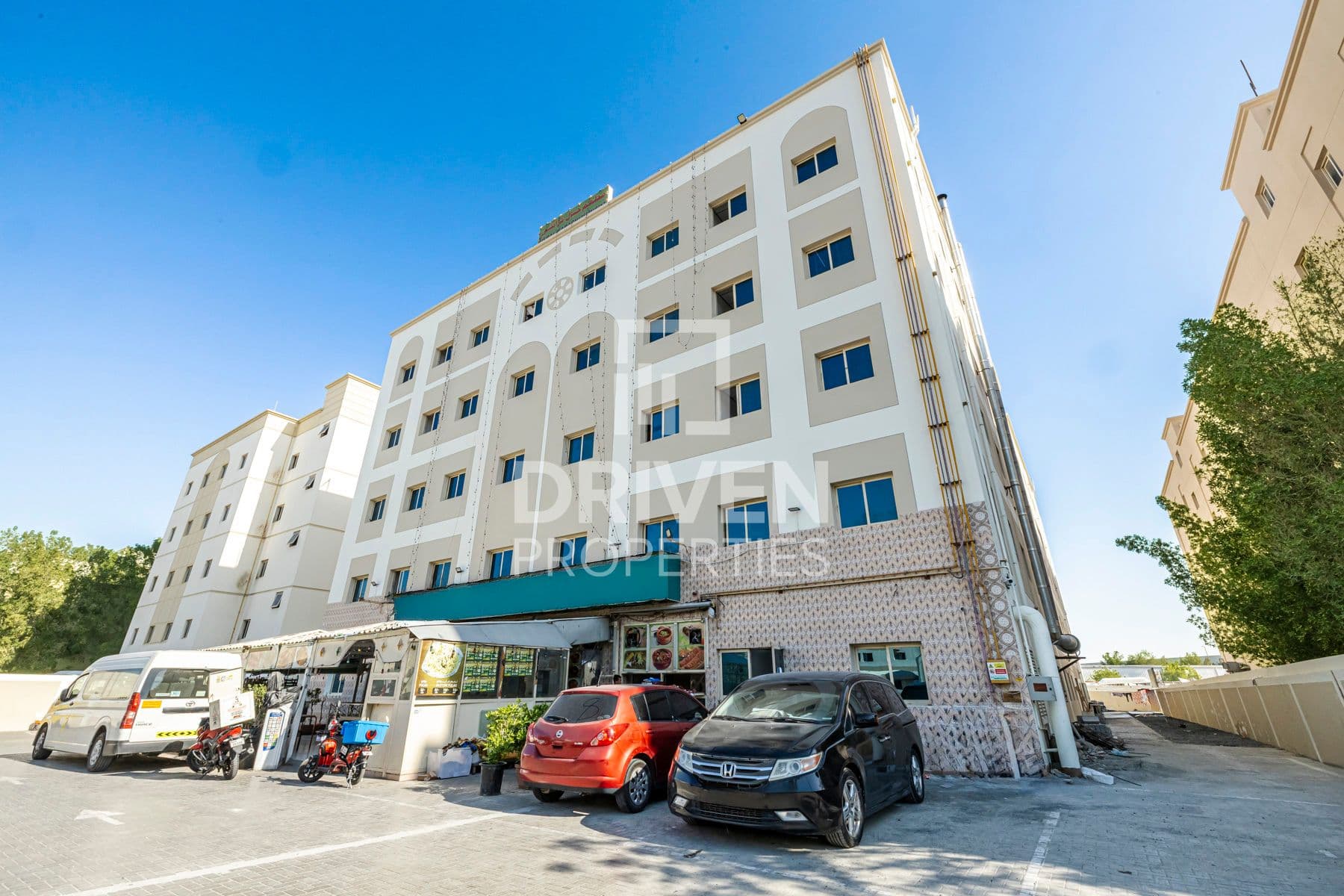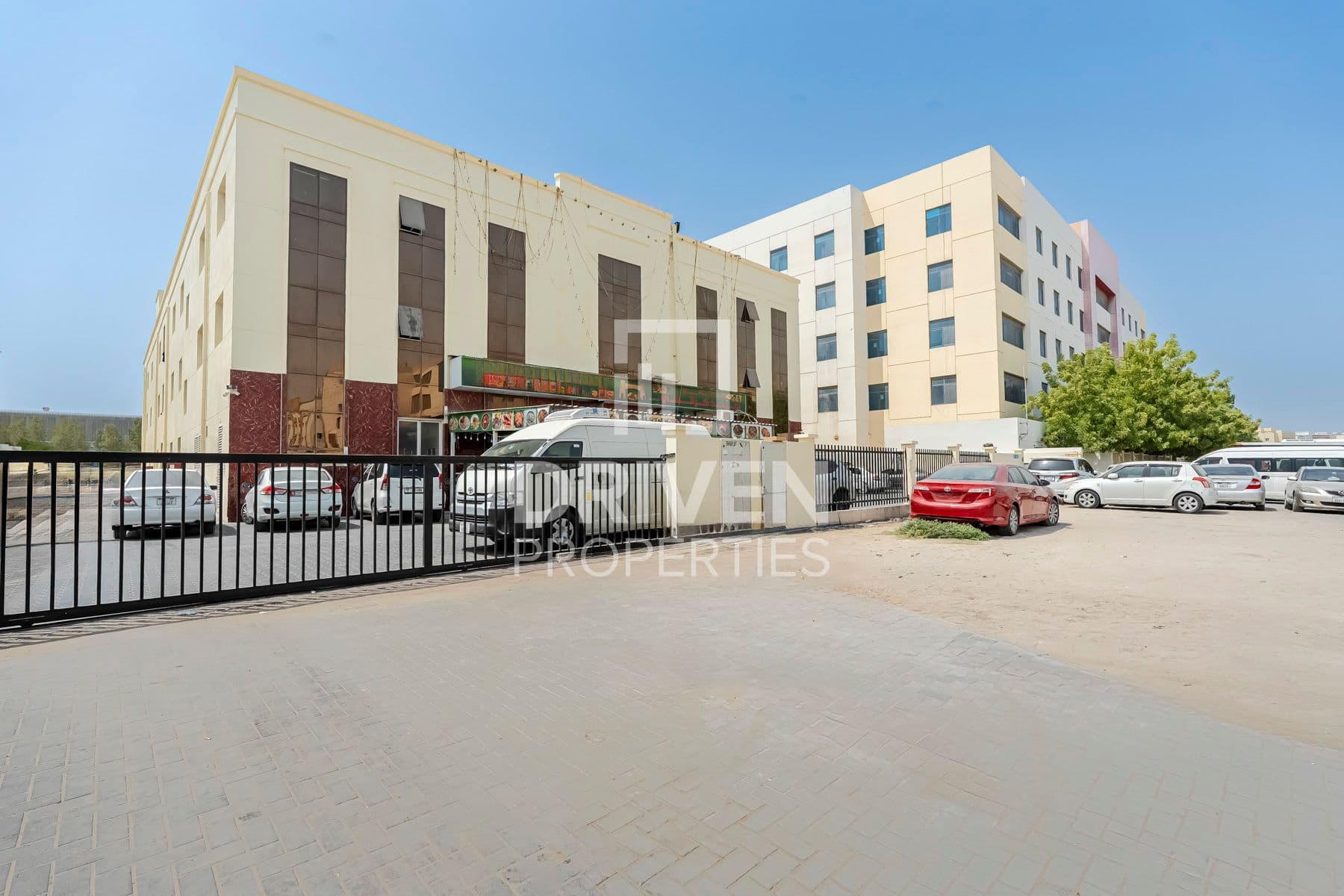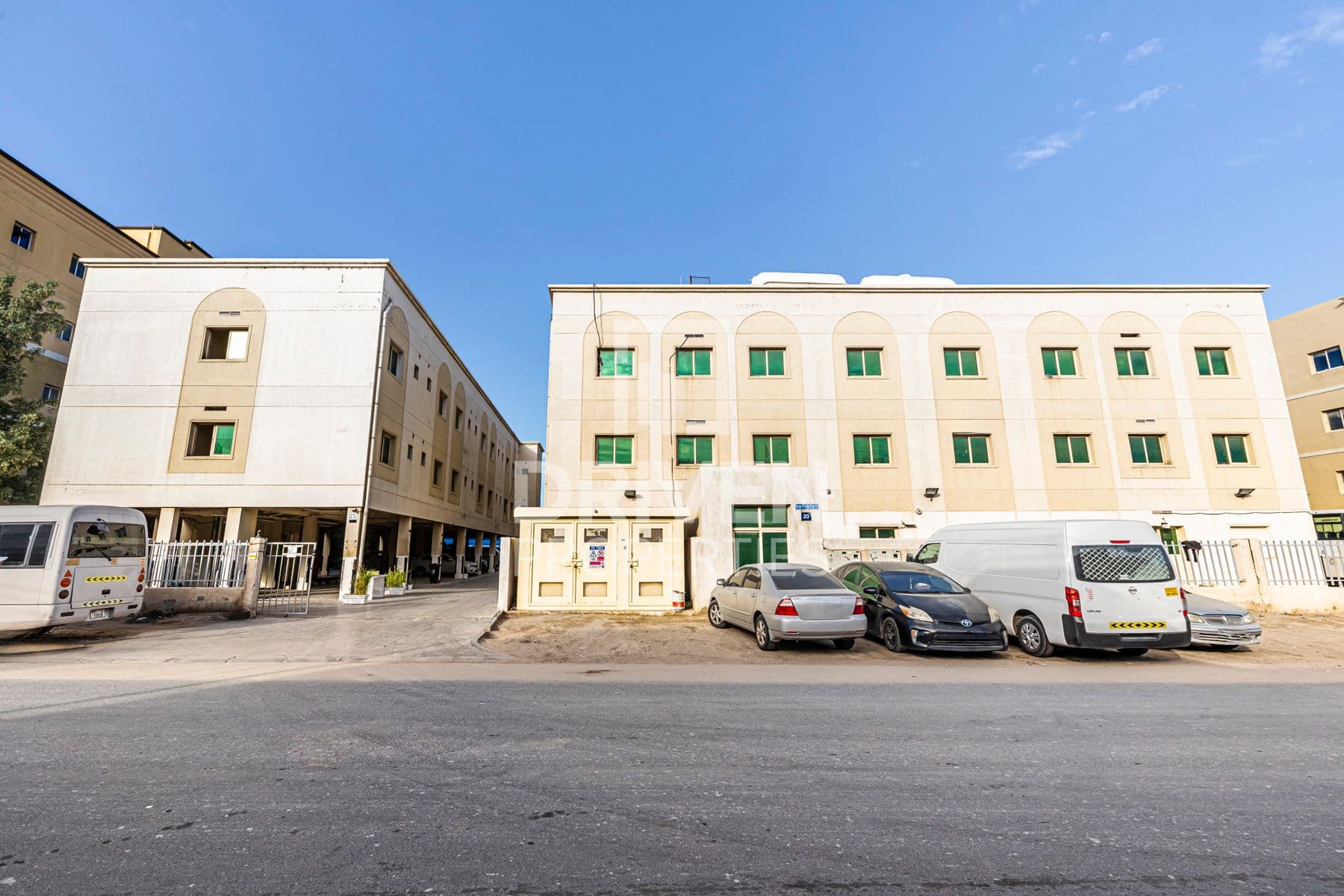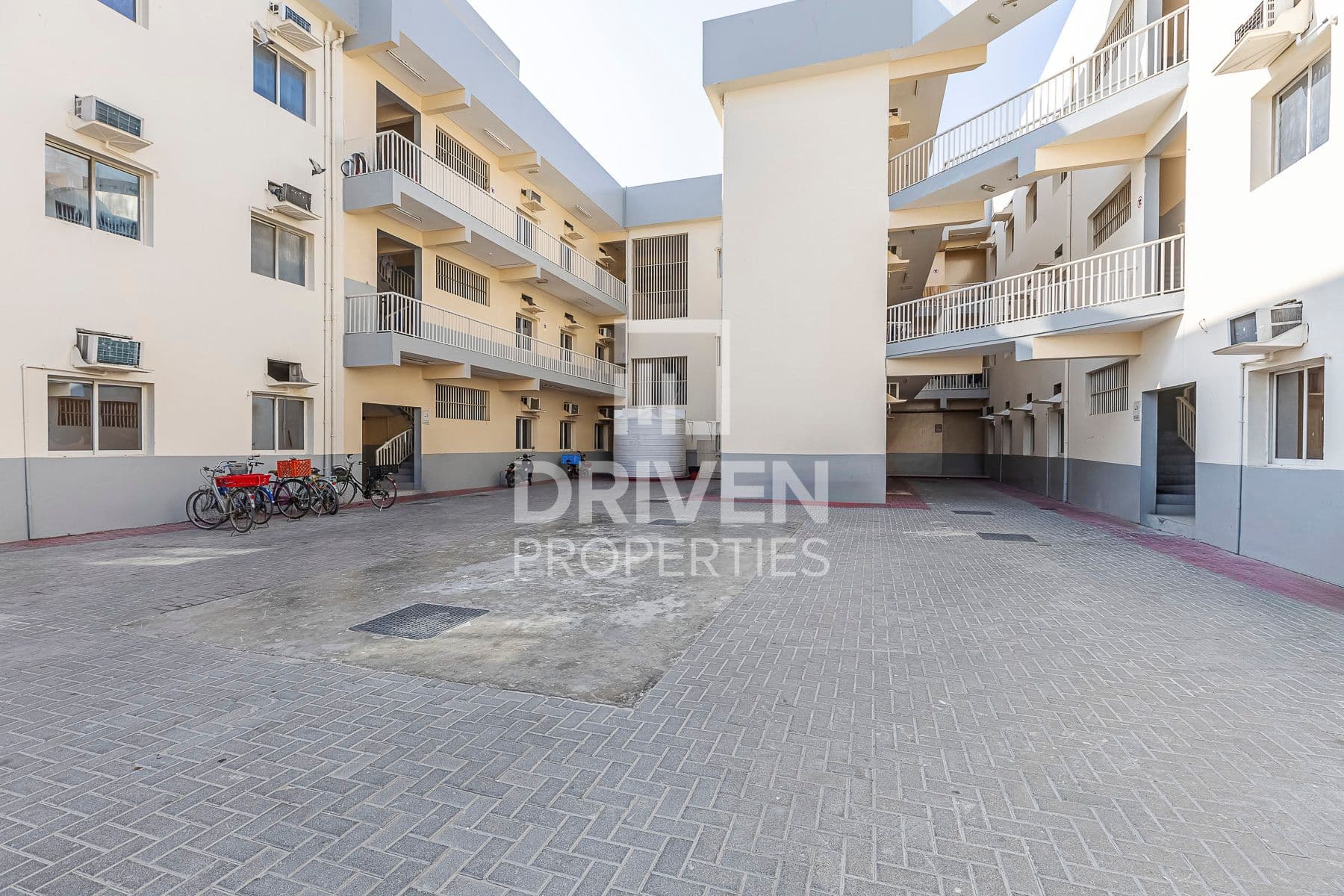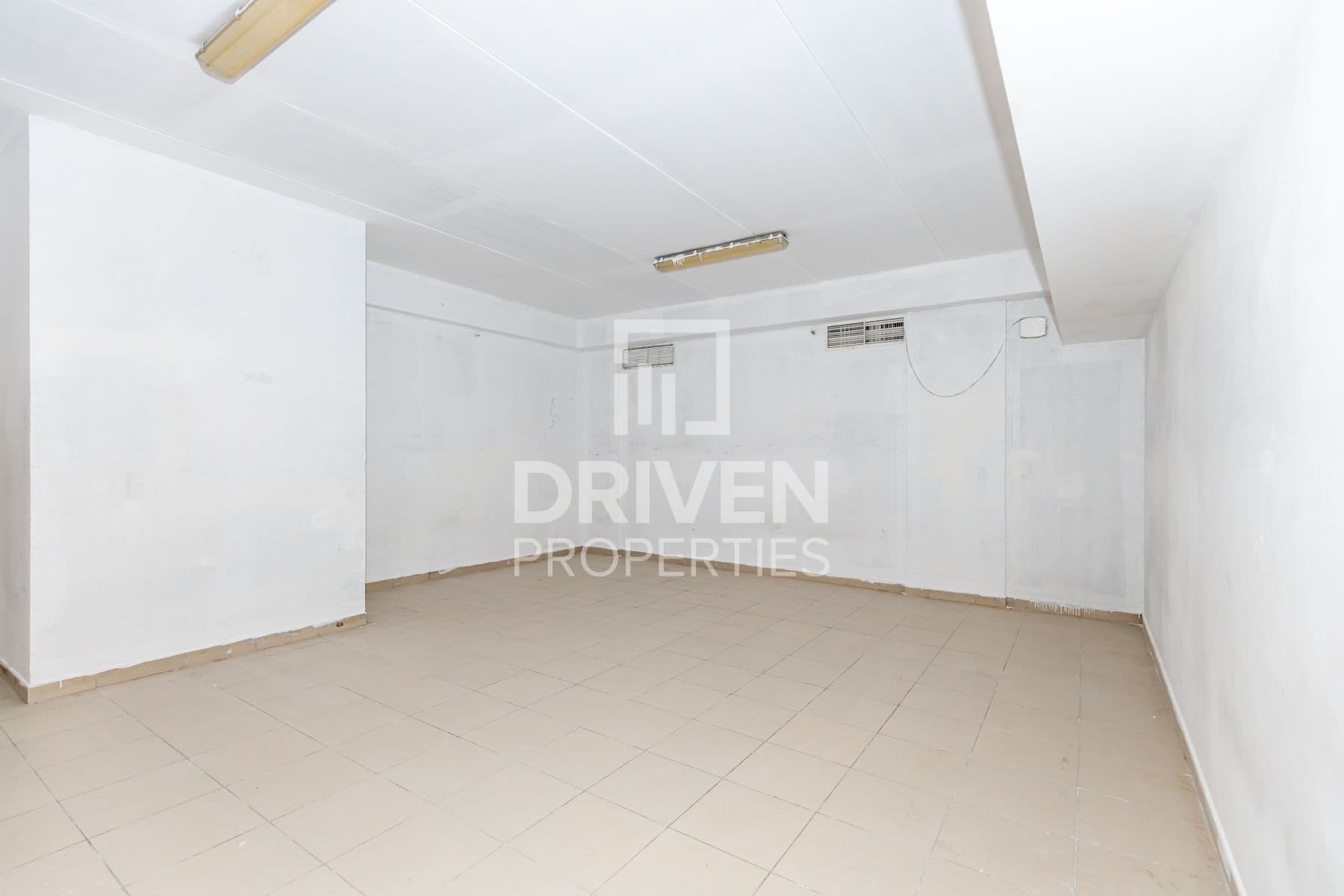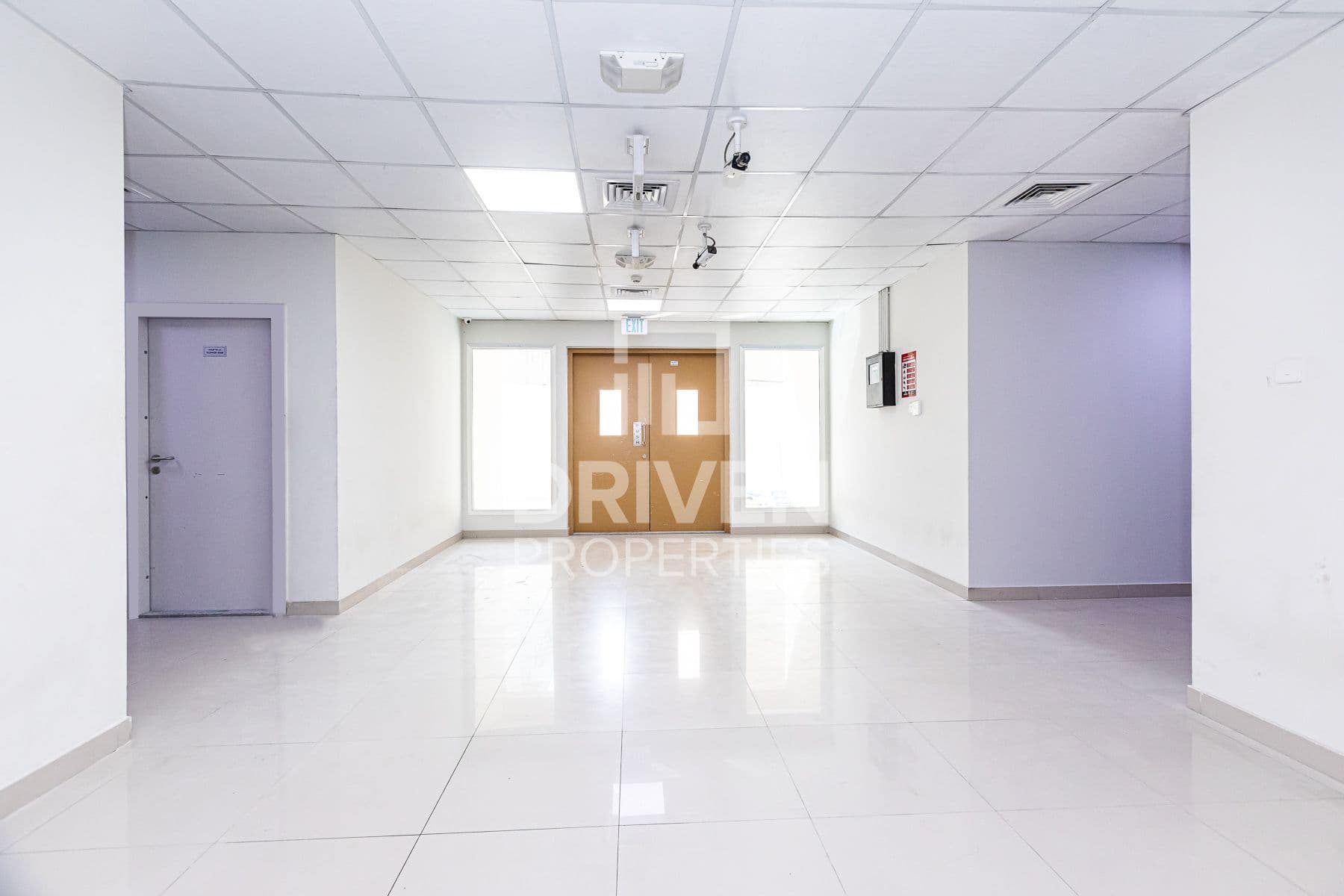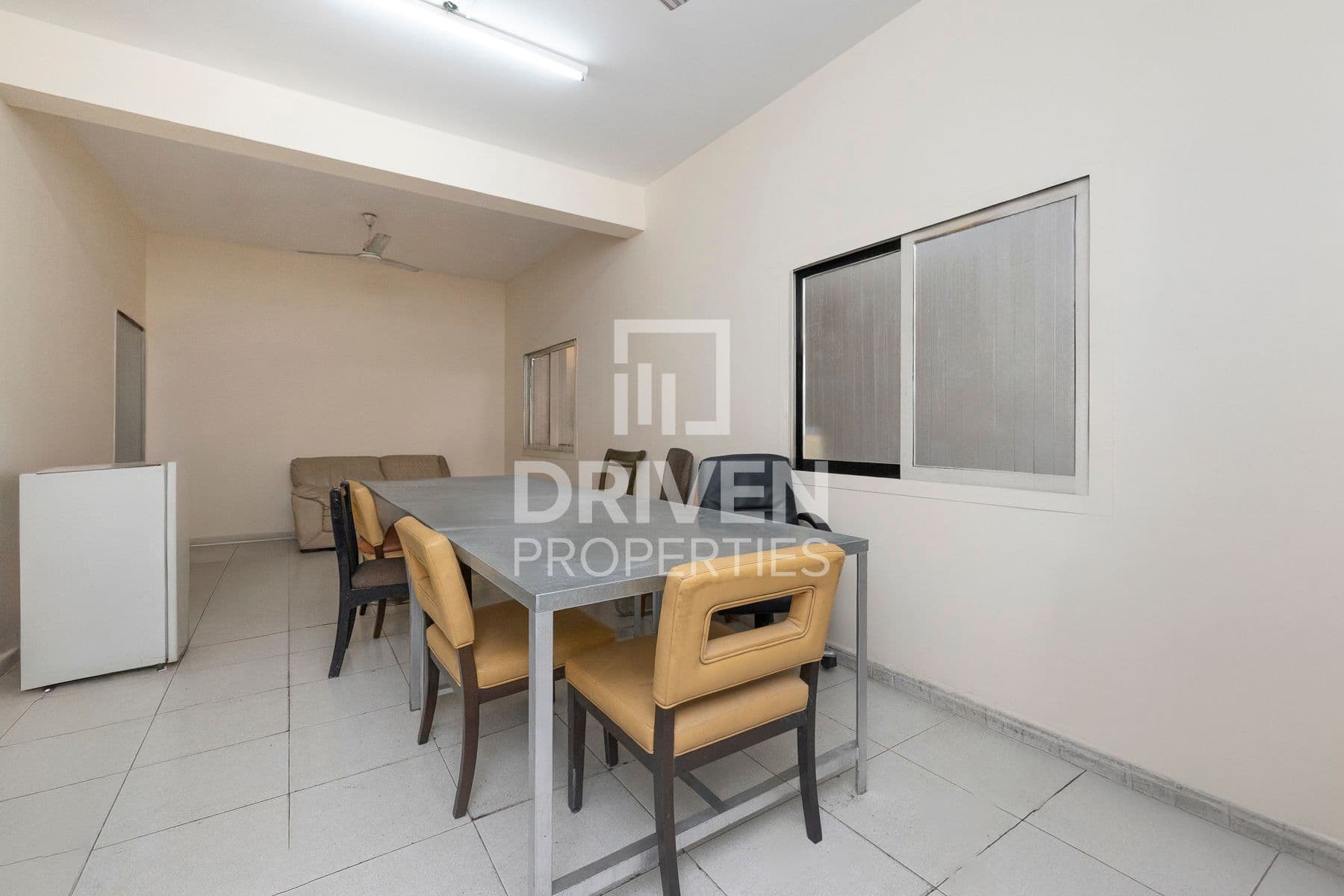
Are you looking at labour camps for sale in Dubai because you want stable rental cash flow, predictable occupancy, and a real asset that solves a daily need in the city? Many buyers enter this niche after they feel normal residential units move in cycles. Labour accommodation works on different demand drivers.
Companies keep hiring. Projects keep running. Staff housing stays a constant line item. That makes this segment worth a serious look in 2026, if you run the numbers with discipline and follow the rules without shortcuts.
We will cover what a labour camp means, why investors buy them, what pricing looks like in 2026, where demand clusters, and what approvals shape the deal. Then we will map who should buy, how returns work, and how to reduce risk with clean processes.
What Is a Labour Camp in Dubai?
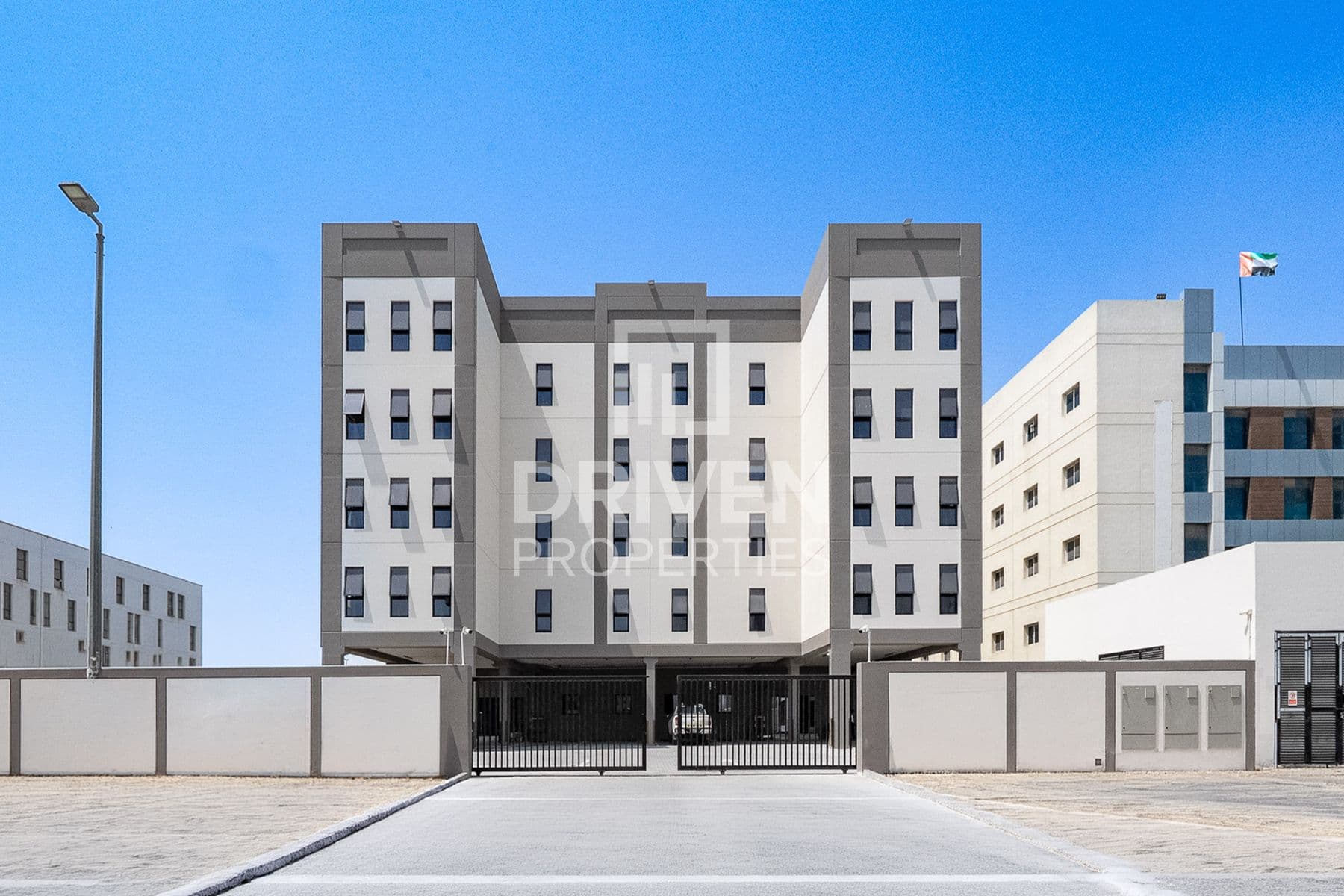
A labour camp in Dubai works as purpose-built staff accommodation. Employers use it to house workers who support construction, logistics, cleaning, security, manufacturing, and other labour-heavy operations. Owners design these facilities for volume living, safety controls, and managed services.
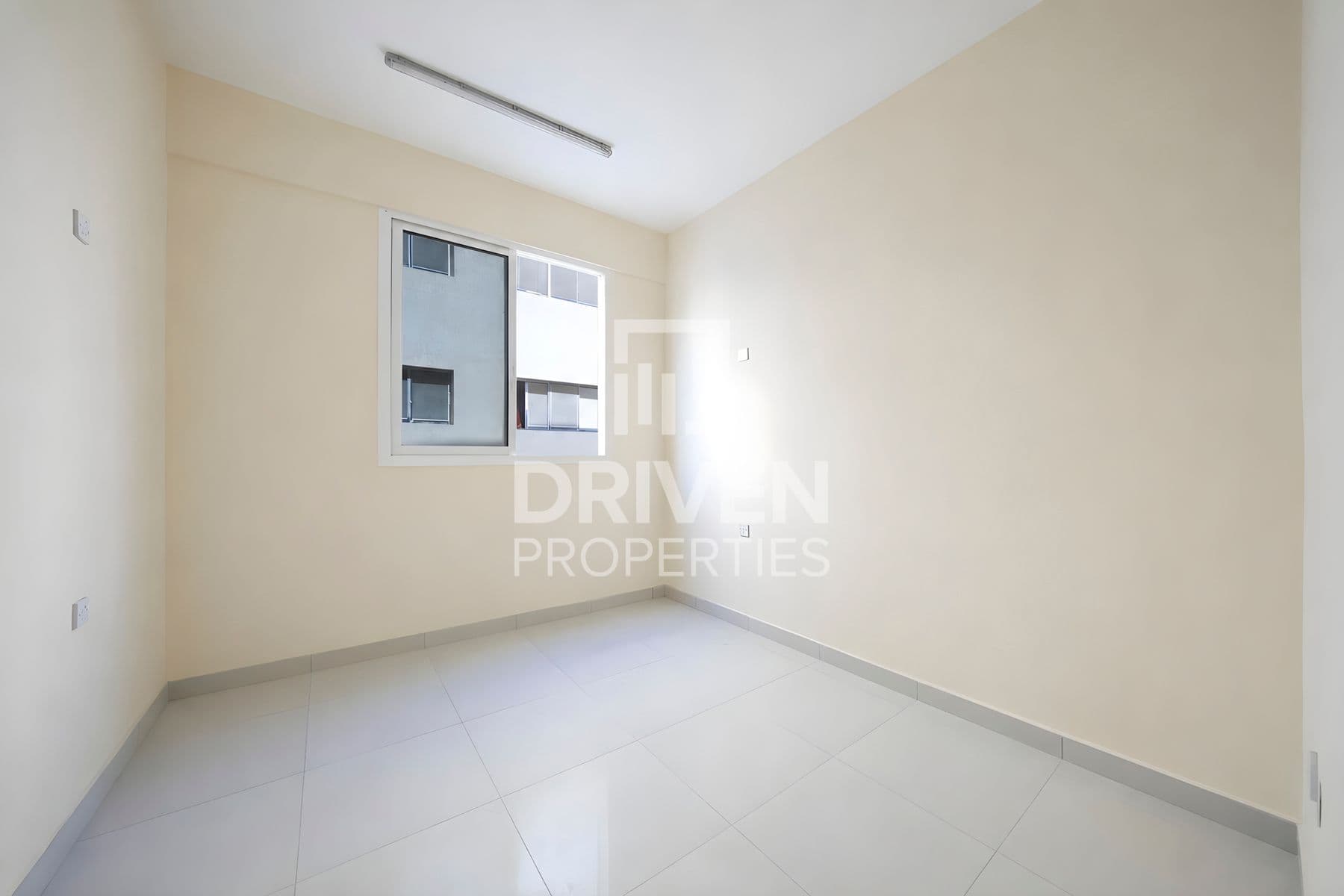
Most camps include sleeping rooms, wash areas, dining, kitchens, prayer areas, first-aid space, laundry, waste management points, and controlled entry. Many sites also include recreation rooms and shaded outdoor zones. Operators run the facility like a small managed community, not like a normal apartment block.
You should also separate labour accommodation from general shared housing. Labour camps operate under specific accommodation rules. They serve corporate tenants, not walk-in individuals. Because of that, you should treat the property like an operating asset, with compliance as part of the value.
Key operating features buyers should look for
- Room density that matches approvals and safety rules
- Clear fire safety layout and marked evacuation paths
- Ventilation, water quality checks, and waste controls
- On-site supervision and visitor control
- Maintenance plan and cleaning schedule
- Documented capacity per room and per block
Next, once you understand the asset, you can judge why investors chase Labour Camps for Sale in Dubai even when other segments slow.
Why Invest in Labour Camps in Dubai in 2026?
Dubai keeps adding projects, industrial zones, and logistics corridors. That work needs manpower. So, demand for compliant staff housing remains steady. Investors like this segment for one simple reason: companies renew leases when the location and standards work.
Also, labour accommodation often runs on block leases. A company rents a full facility, or a full building inside a facility. That model reduces vacancy surprises. It also makes cash flow easier to forecast, if you select the tenant well.
In 2026, buyers also focus on asset control. You control the facility, the operator contract, the maintenance plan, and the tenant mix. Therefore, you can protect income through systems, not through hope.
Why this segment attracts serious buyers
- Predictable demand from corporate employers
- Block leasing reduces churn
- Rent collections follow business-to-business terms
- Strong need for compliant beds near job zones
- Room for upgrades that lift rent per bed
At the same time, you must avoid loose underwriting. So, you should run a proper rent roll review, check occupancy ratio, and test cash flow with a stress test on rates and costs.
Labour Camp Prices in Dubai (2026 Overview)
Pricing in 2026 depends on land use, built-up area, bed capacity, approvals, location, and condition. Owners usually price these assets based on income, not on finish level. So, you should start with numbers: gross rent, operating costs, and net income.
You will see sellers quote in a few ways:
- Price per bed
- Price per square foot of built-up area
- Price as a multiple of net operating income
Even so, a smart buyer ties everything back to cap rate and realistic costs. You should also check how the operator records expenses. Cleaning, security, pest control, and waste pickup move the final yield more than most first-time buyers expect.
Typical pricing drivers in 2026
- Higher prices in zones with tight supply and heavy workforce demand
- Higher prices for newer builds with clean compliance records
- Higher prices for assets with long leases and strong tenants
- Lower prices when the site needs upgrades or missing approvals
Below is a simple snapshot you can use for first-pass screening. Treat it as a deal-scoping tool, not a final valuation.
The below table helps you compare options before you invest time in viewings.
Camp Type (Example Profile) | Common Buyer Goal | What Usually Moves Price | Quick Notes for 2026 Screening |
Standard compliant camp (basic finish) | Stable income | Location + capacity + compliance | Works well with long block leases |
Upgraded camp (better amenities) | Higher rent per bed | Tenant quality + amenities | Higher upkeep, but better tenant stickiness |
Large-scale camp (multi-block) | Scale play | Operator strength + systems | Needs stronger management and reporting |
Older camp (needs upgrades) | Value-add | Upgrade budget + approvals | Price looks attractive, costs can surprise |
Best Areas to Buy Labour Camps in Dubai (2026)
In 2026, the best areas for labour camps follow a clear commercial logic. Employers want shorter staff travel time, simple bus routing, strong road links, and quick access to industrial and project zones. Investors also need locations where staff accommodation is commonly accepted under the right land use. The areas below match these factors and remain practical for leasing, operations, and renewals.
1. Jebel Ali Industrial + JAFZA Corridor
This corridor remains a top option because logistics and industrial activity operates daily. Many employers prefer housing close to warehouses, ports, and industrial facilities to reduce transport cost and reduce daily delays.
- Strong demand from logistics, warehousing, freight, and industrial operators
- Suitable for larger capacity facilities and block leasing models
- Practical road access for staff buses and shift movement
- Works well with strict access control and facility supervision
2. Dubai Industrial City (DIC)
Dubai Industrial City supports manufacturing and industrial operations, which usually require consistent staffing. This often supports stable bed demand, especially when tenants sign structured contracts.
- Reliable tenant pool from factories and industrial units
- Fits compliance-first layouts and controlled occupancy systems
- Works well for longer lease terms and renewals
- Performs better with utility monitoring and preventive maintenance plans
3. Dubai Investment Park (DIP)
DIP remains attractive because it combines industrial, commercial, and service companies in one broader zone. This diversity helps reduce dependence on one tenant type and supports steady leasing activity.
- Diversified tenant demand across multiple business categories
- Suitable for mid to large labour camp assets
- Good road connectivity for daily staff transport
- Strong fit for operator-led management with reporting discipline
4. Al Quoz Industrial (Al Quoz 2/3/4)
Al Quoz is closer to central Dubai than many industrial corridors. Contractors and service firms often prefer it when projects spread across multiple districts. This improves flexibility for employers managing rotating job sites.
- Strong demand from contractors and city-linked operations
- Helpful when staff move between multiple project locations
- Requires strict capacity control and housekeeping standards
- Works best with documented SOPs for security and maintenance
5. Ras Al Khor Industrial (Industrial 2–3)
Ras Al Khor supports industrial demand and practical road movement. It can suit investors seeking straightforward layouts, manageable operating costs, and consistent tenant interest.
- Stable demand linked to industrial activity and supply operations
- Often supports larger plots and functional site planning
- Fits value-driven deals when approvals and compliance are clear
- Performs well with experienced on-site supervision and reporting
6. Muhaisnah (Sonapur Cluster)
Muhaisnah is one of the most established labour accommodation clusters. Many employers already use this location for workforce housing, which reduces leasing friction and improves tenant acceptance.
- Established labour accommodation environment and tenant familiarity
- Strong occupancy potential when operations remain disciplined
- Works well for block leasing and bed-based pricing models
- Requires strict hygiene systems and documented capacity limits
7. Dubai South
Dubai South suits larger-format labour accommodation projects, especially for logistics-linked businesses and contractors operating along growth corridors. It also fits planned facilities with structured operations.
- Suitable for larger camp formats and planned layouts
- Demand from logistics, transport, and contractor-driven activity
- Strong fit for operator contracts with defined KPIs
- Best results come from careful tenant screening and lease structure
Regulations for Labour Camps in Dubai
Dubai expects strict compliance for staff accommodation. Authorities focus on safety, health standards, capacity limits, and worker welfare requirements. You must align the site design and operations with the approvals that match the land use and the intended occupancy.
You should treat approvals as part of the asset value. A camp with clean approvals sells faster and holds value better. So, in due diligence, you should verify the full compliance chain.
Approvals and controls you should plan for
- Land use and permitted activity for staff accommodation
- Building completion documents and occupancy capacity approvals
- Fire safety approvals and maintenance logs
- Health and hygiene controls for kitchens and dining
- Waste management contracts and collection schedules
- Water testing process and tank cleaning schedule
Also, keep a simple but strict process:
- Start with document verification and title checks
- Review layout against approved capacity per room
- Inspect fire systems, alarms, and exit routing
- Review HSE plan and incident reporting
- Confirm operator SOPs and staffing plan
Use technique names and treat them as real work:
- Due diligence checklist for approvals and lease terms
- HSE audit for safety and hygiene systems
- Facilities SOP review for cleaning and preventive maintenance
- Rent roll reconciliation to match invoices with bank entries
When you follow these steps, you reduce risk, and you also improve tenant confidence.
Who Should Buy Labour Camps in Dubai?
This asset fits buyers who feel comfortable with managed operations and B2B leasing. It fits investors who prefer income discipline over short-term appreciation stories.
You should consider this segment if you can handle reporting, renewals, and compliance follow-up. You do not need to run it yourself, but you must oversee it with clear KPIs.
This type of buyer often matches the segment:
- Investors who want steady income and longer lease terms
- Business owners who already serve contractors or manpower firms
- Asset managers who can appoint a strong operator
- Buyers who like value-add upgrades with clear ROI
On the other hand, if you want hands-off ownership with zero oversight, you will feel pressure here. The asset rewards attention. Still, you can keep the work clean if you hire the right operator and set clear controls.
A practical approach helps:
- Put a reporting template in the operator contract
- Ask for monthly occupancy, collections, and incident logs
- Track utilities per bed to catch waste
- Schedule quarterly compliance checks
Next, we will connect the buyer profile to returns.
Labour Camp Investment Potential in Dubai (2026)
Labour accommodation behaves like an operating income asset. So, investment potential comes from stable beds, controlled costs, and tenant renewals. In 2026, many buyers look for yield consistency, then they add value through upgrades and better leasing terms.
Start with three core metrics:
- Net operating income (NOI)
- Cap rate (NOI divided by purchase price)
- Cash-on-cash return (cash flow divided by cash invested)
Then, validate the tenant and the lease structure. A long lease with clear escalation terms can lift value. Also, a well-run site reduces cost leakage, which lifts NOI without raising rent.
Ways investors improve returns without forcing rent
- Upgrade wash areas and improve maintenance response time
- Add better access control and reduce damage incidents
- Improve dining flow and kitchen hygiene controls
- Install smarter utility monitoring to reduce wastage
- Tighten operator KPIs and link fees to performance
Also, run a finance hygiene check. If you use leverage, track DSCR (debt service coverage ratio). Keep a conservative buffer. Test occupancy drop scenarios. Test cost increases. Then, decide your comfort level.
Finally, match the deal to your plan:
- If you want stability, buy a compliant asset with a strong tenant.
- If you want upside, buy a fixable asset and budget upgrades.
- If you want scale, buy multi-block and hire a proven operator.
When you take this approach, you can pursue labour camps for sale in Dubai with a clear head and a clean process.
Conclusion
If you want an income asset that ties to real workforce demand, labour camps for sale in Dubai can fit your 2026 plan, as long as you respect compliance and run the asset with reporting discipline. We at Driven Properties help buyers shortlist compliant options, review documents, assess operator readiness, and negotiate lease structures with clarity.
Reach out to us at Driven Properties to review active opportunities and move with a clean, professional process.
Frequently Asked Questions
1. Is buying a labour camp in Dubai legal?
Yes. Buyers can purchase staff accommodation when the land use and approvals support it, and when owners follow safety, capacity, and operational rules.
2. Can foreigners buy labour camps in Dubai?
Foreign buyers can purchase based on area rules, ownership structure, and permitted zones. Always verify title options and ownership limits before signing.
3. Which areas allow labour camps in Dubai?
Authorities allow staff accommodation in specific zones and land uses. Check zoning, permitted activity, and planning approvals for the exact plot and building.
4. Are labour camps a good investment in 2026?
They can work well for income-focused buyers. Strong tenants, clean compliance, and controlled costs shape results more than market headlines.
5. What approvals are required for labour camps?
You need approvals tied to land use, building completion, occupancy capacity, fire safety, and health controls. You should also keep updated maintenance and inspection logs.