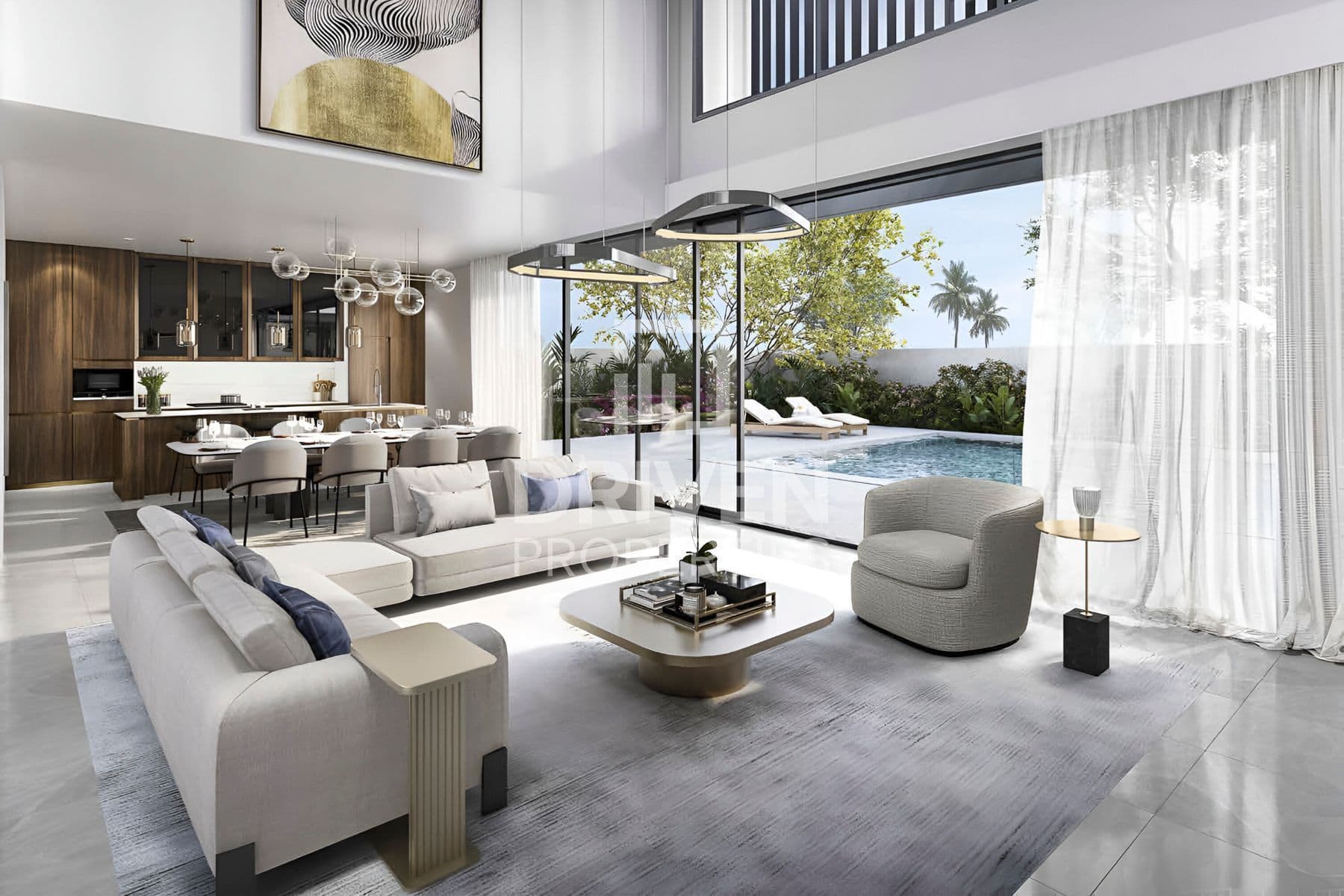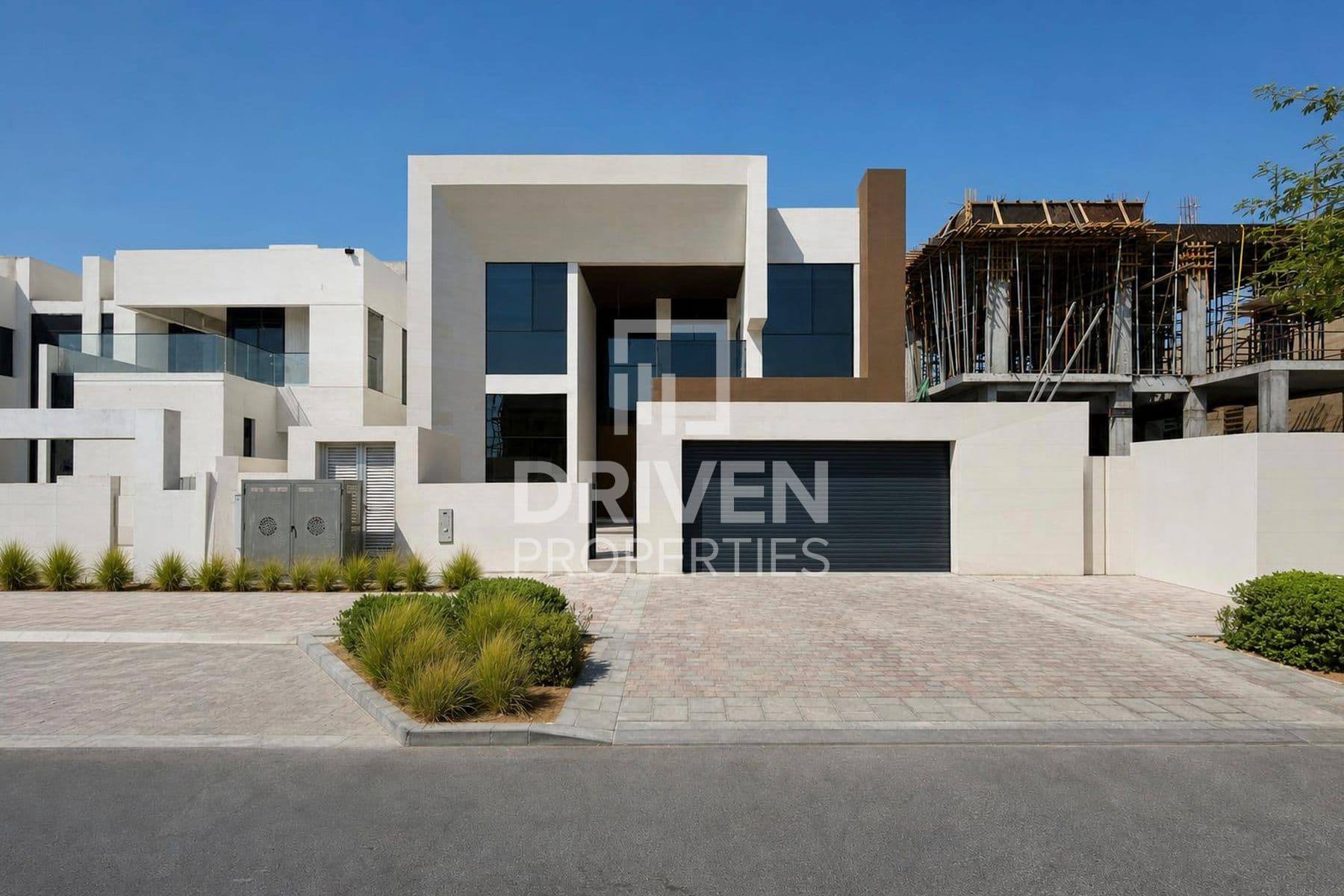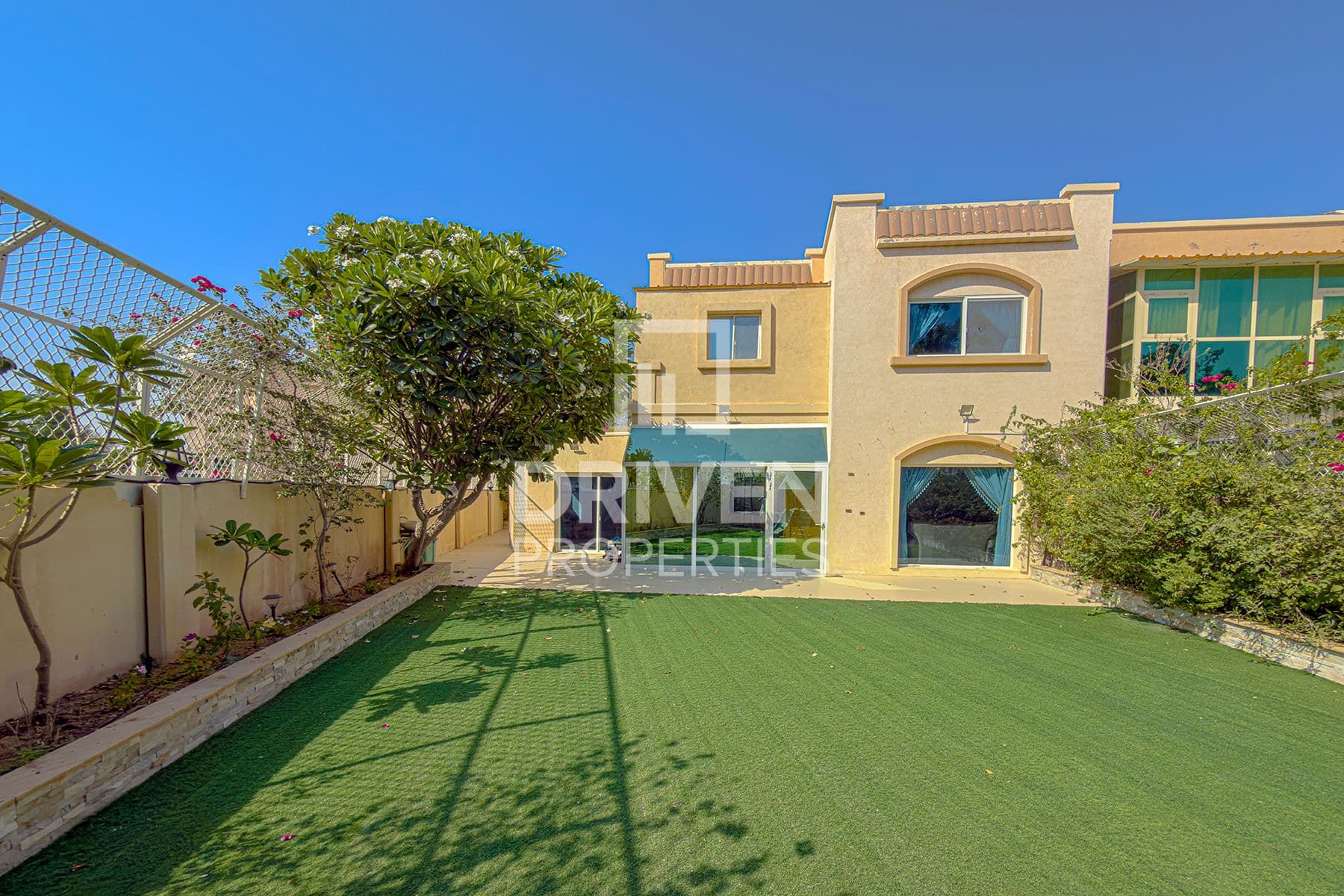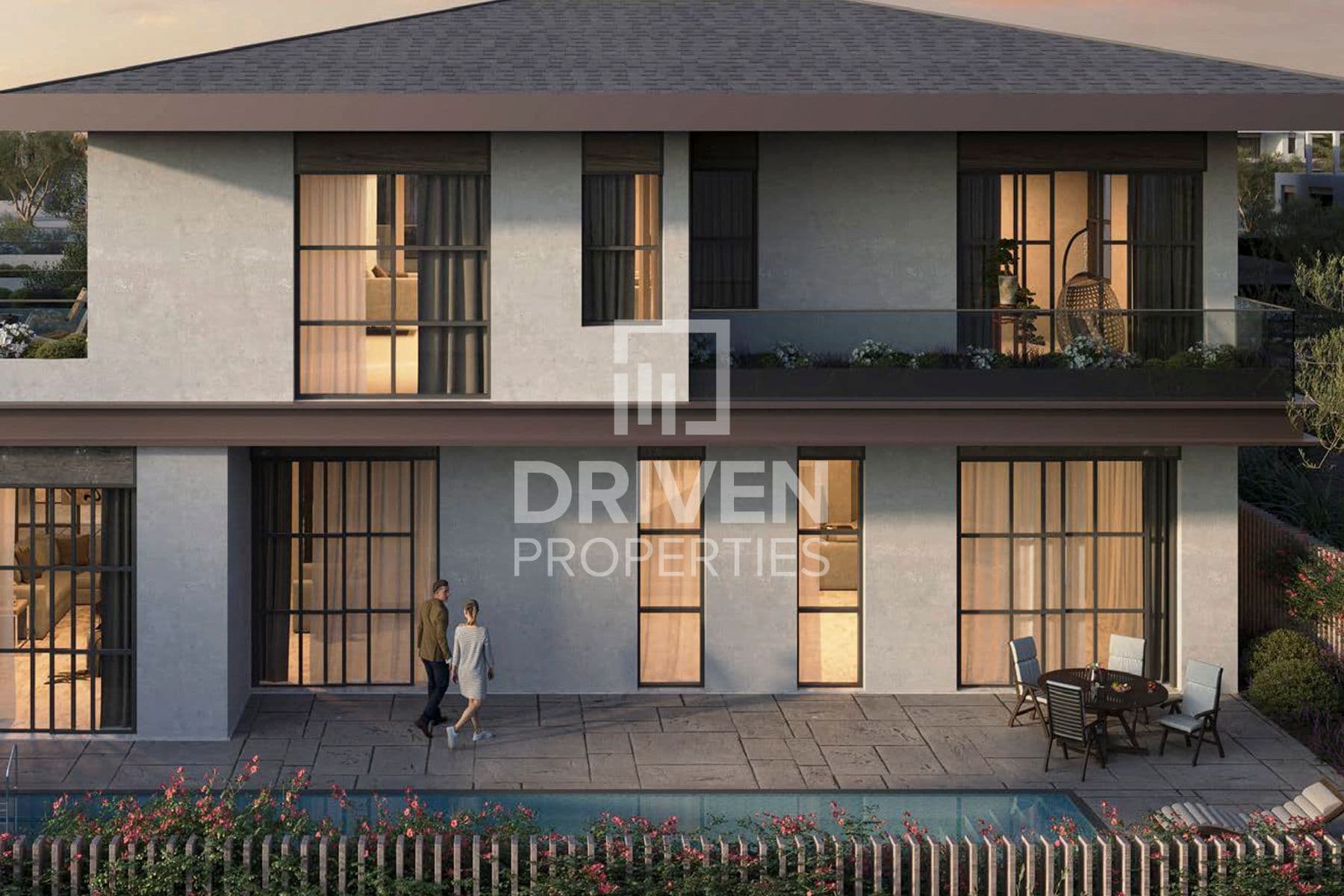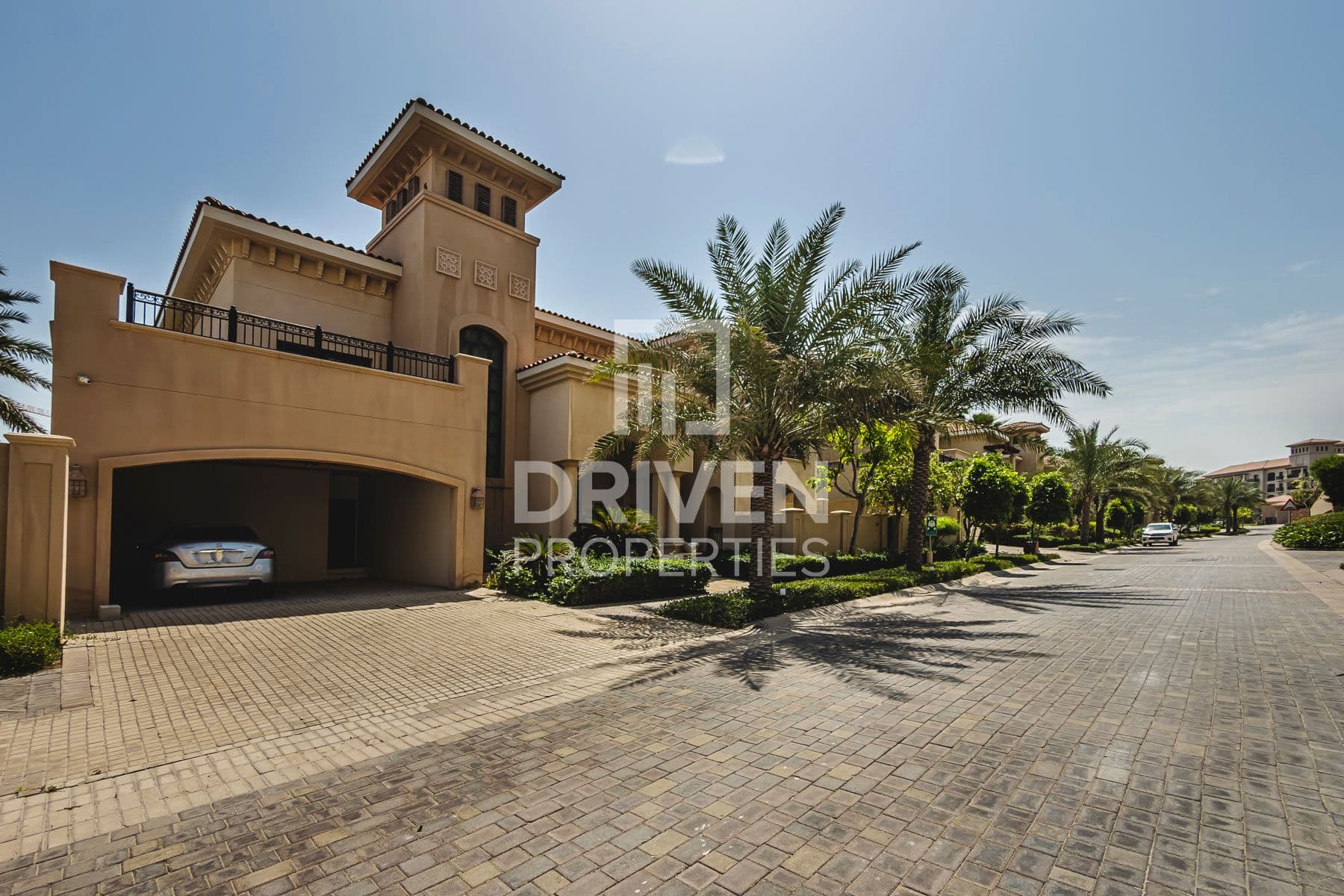
Are you in Dubai yet, thinking of stepping into a larger home with more space, more privacy, and a calmer pace? Many buyers reach this point after renting for years or after outgrowing an apartment. They want a villa, yet they also want predictability: clear communities, clear rules, clear ownership, and clear resale demand. They also want a purchase that still feels “close enough” for work, family visits, and weekend plans. That is where Abu Dhabi keeps entering the discussion.
Abu Dhabi’s villa market gives buyers more layout variety, more master-planned neighborhoods, and more family-first infrastructure. At the same time, it still connects well with Dubai. So you can live there, invest there, or do both across a few years. In this guide, I will break down villa types, areas, pricing logic, and the 2026 outlook in a straightforward, practical way.
After you shortlist communities, you can start matching them to your budget, family needs, and exit plan. Then you can move from browsing to buying with less stress and fewer costly surprises.
Why Buy a Villa in Abu Dhabi?
First, space changes the daily experience. A villa gives you separation between living, sleeping, working, and hosting. Also, you control privacy better. Then, you gain storage, parking, and outdoor space that an apartment rarely gives at the same level.
Next, Abu Dhabi supports long-stay family living. You see this in school access, road planning, healthcare reach, and the way many communities manage parks and shared facilities. Plus, buyers often compare it with Dubai and notice a different value mix. Dubai wins on pace and variety. Abu Dhabi wins on planning and “room to breathe.”
Also, villas in Abu Dhabi often attract stable tenant profiles. Families renew leases. Corporate leases happen. Relocation demand stays present. So, if you buy for income, you can align with long-term tenancy instead of constant turnover.
Here is what villa buyers in Abu Dhabi tend to like:
- Larger plot sizes in several communities
- Wider internal layouts and separate maid’s rooms in many units
- Lower noise exposure in many residential zones
- Community security, controlled access, and managed landscaping
- Strong school clusters near key villa districts
Finally, Abu Dhabi works for a two-city plan. Many Dubai-based owners use the villa for weekends first, then shift full-time later. Others do the reverse: they live in Abu Dhabi and keep Dubai as the work hub a few days each week. Either path can work if you choose the right location.
Types of Villas Available
You will see villa listings labeled in many ways. Still, most options fall into a few categories. Once you know these, you can filter faster and avoid “nice photos, wrong product.”
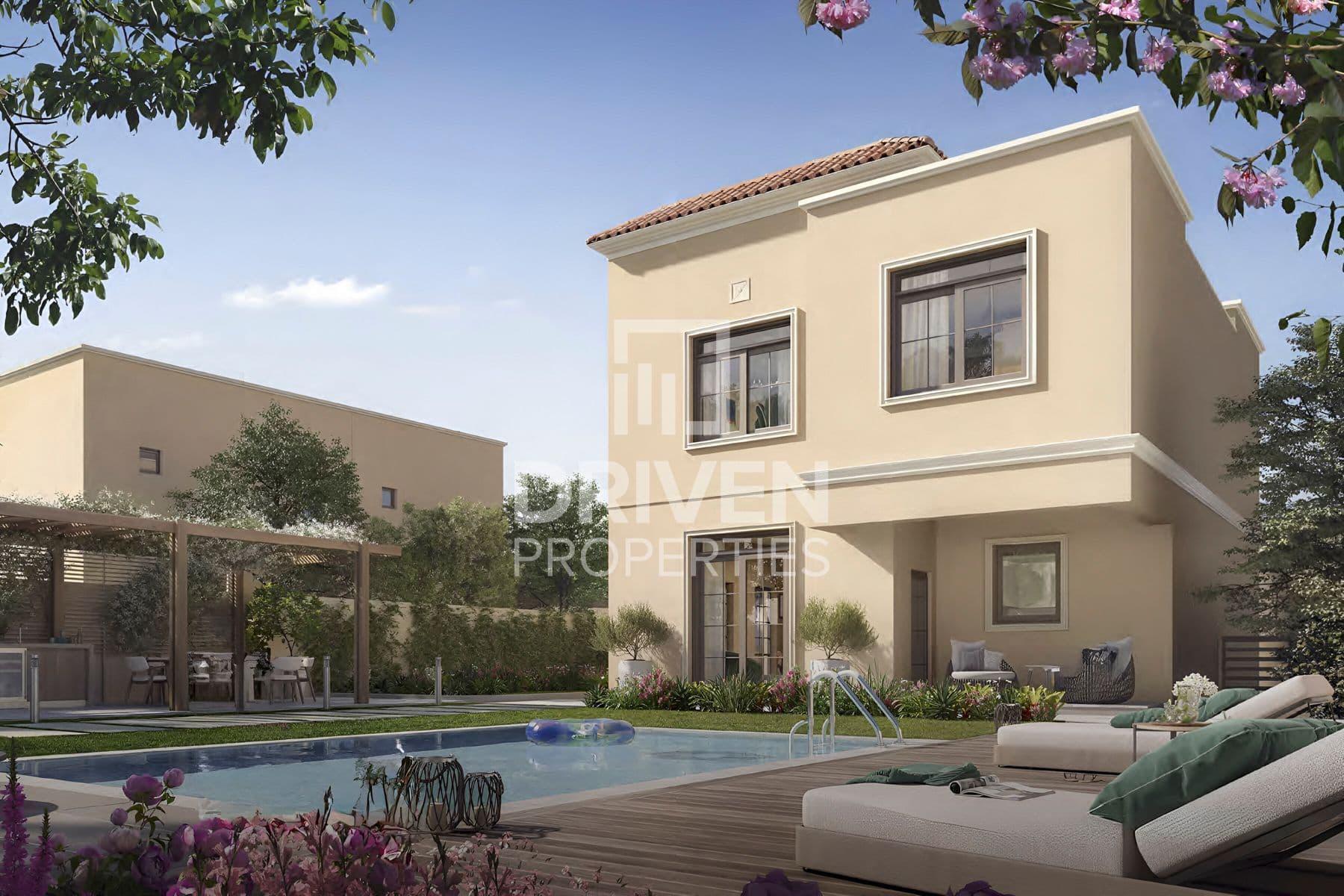
1. Standard family villas (3–5 bedrooms)
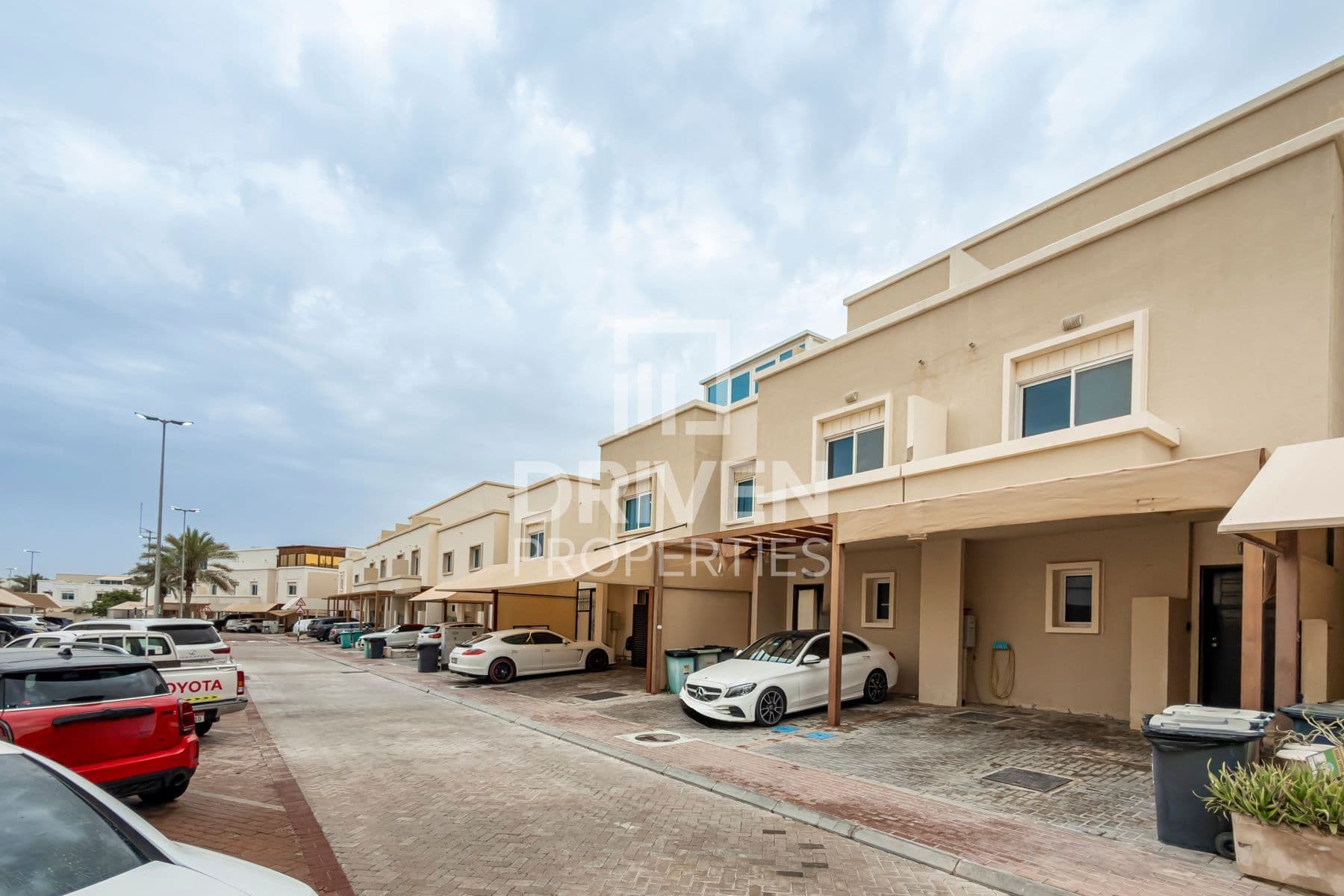
These focus on practical layouts. They often include a family living area, dining space, closed kitchen, maid’s room, and private parking. Many also include a small garden.
2. Townhouses and cluster villas
These share walls, yet still feel like villas due to private entry, multi-floor layout, and outdoor space. They can lower entry pricing while keeping the villa lifestyle.
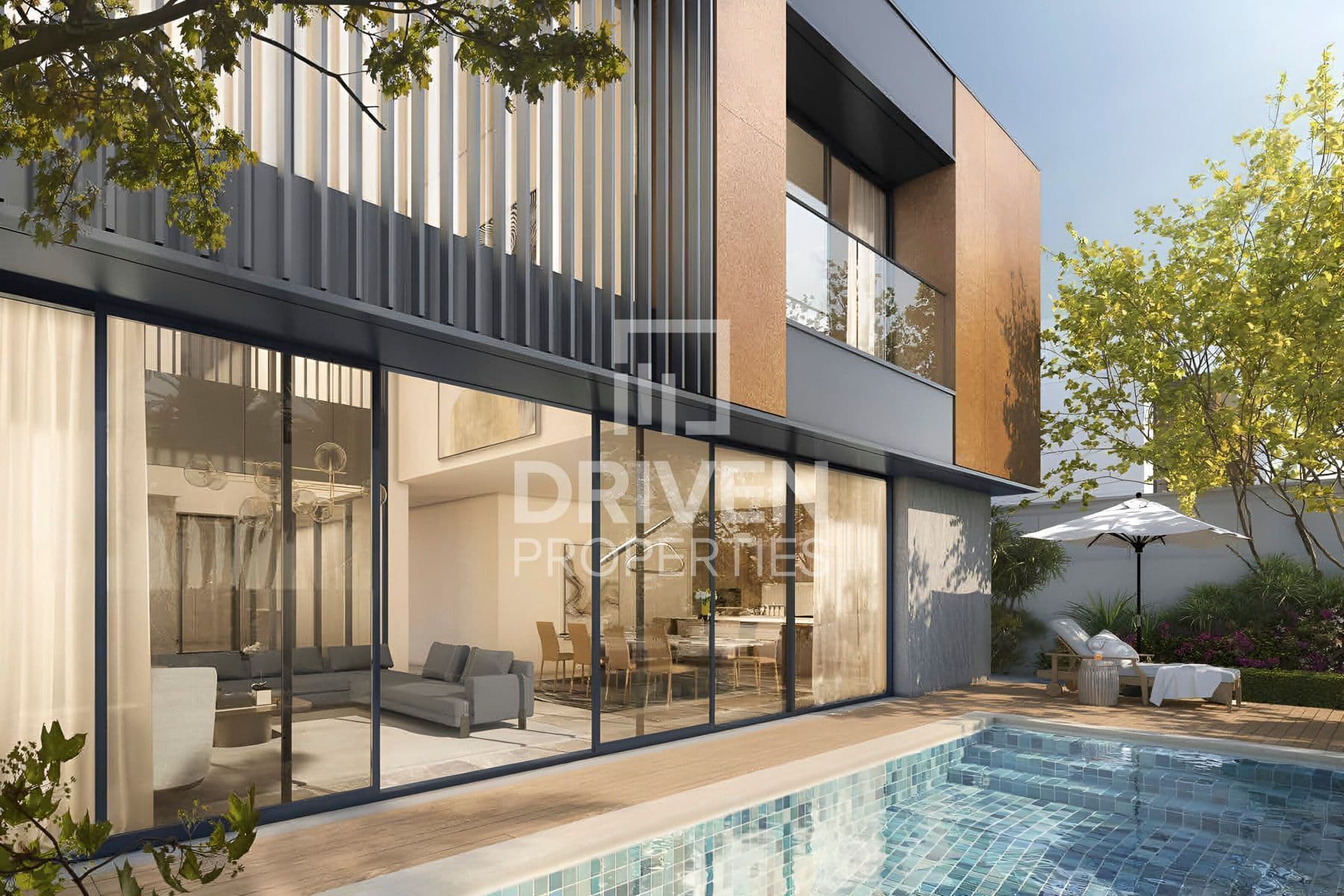
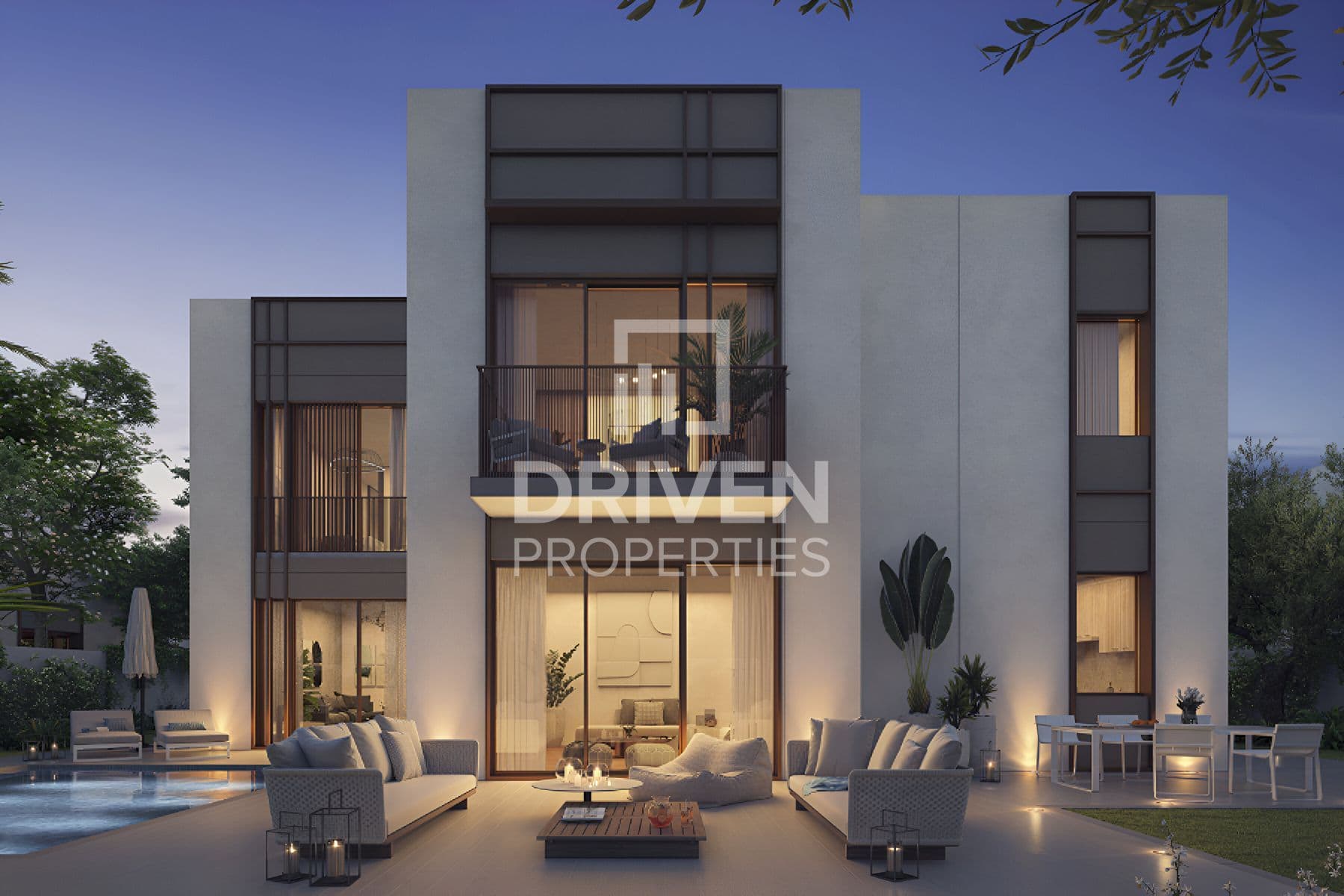
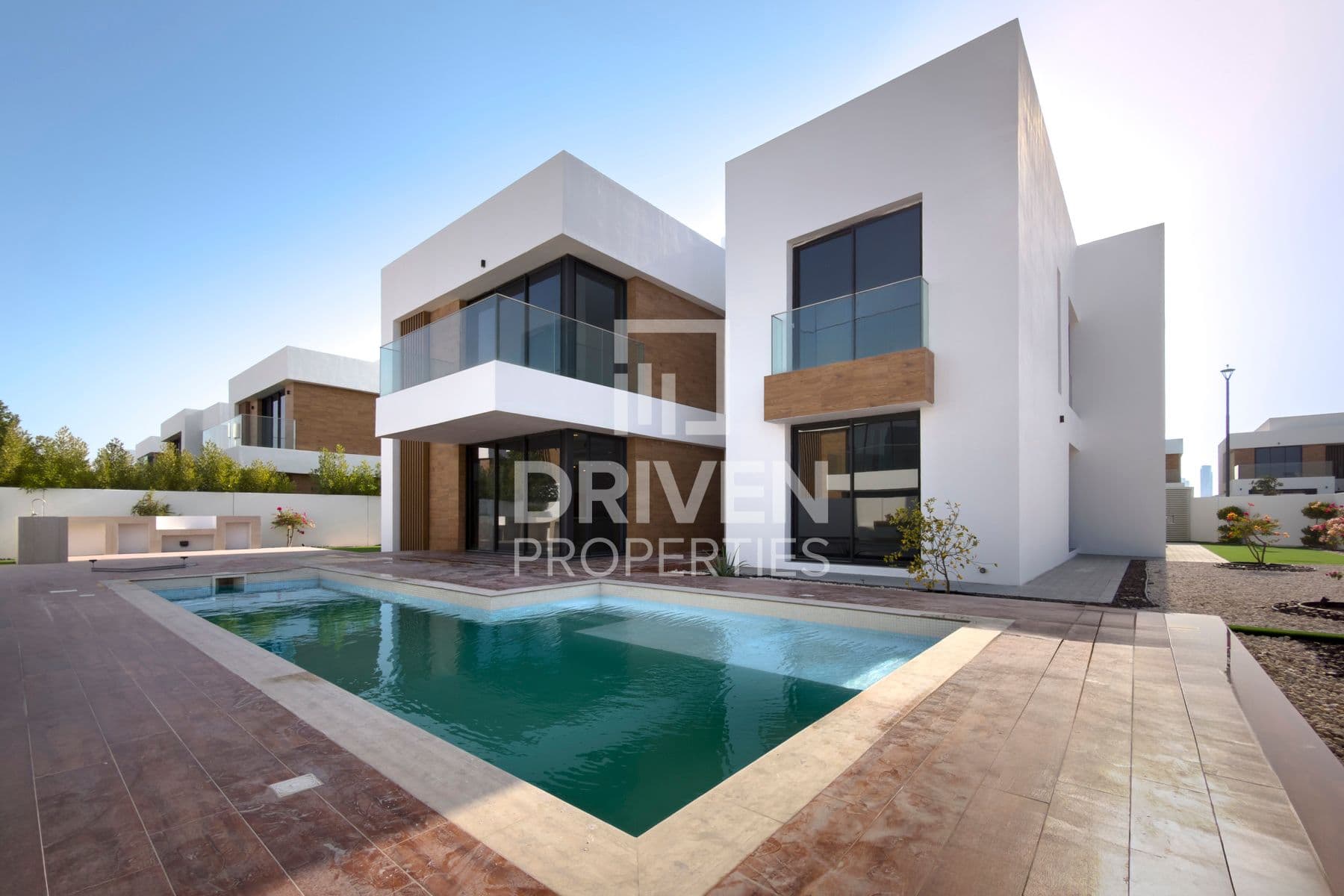
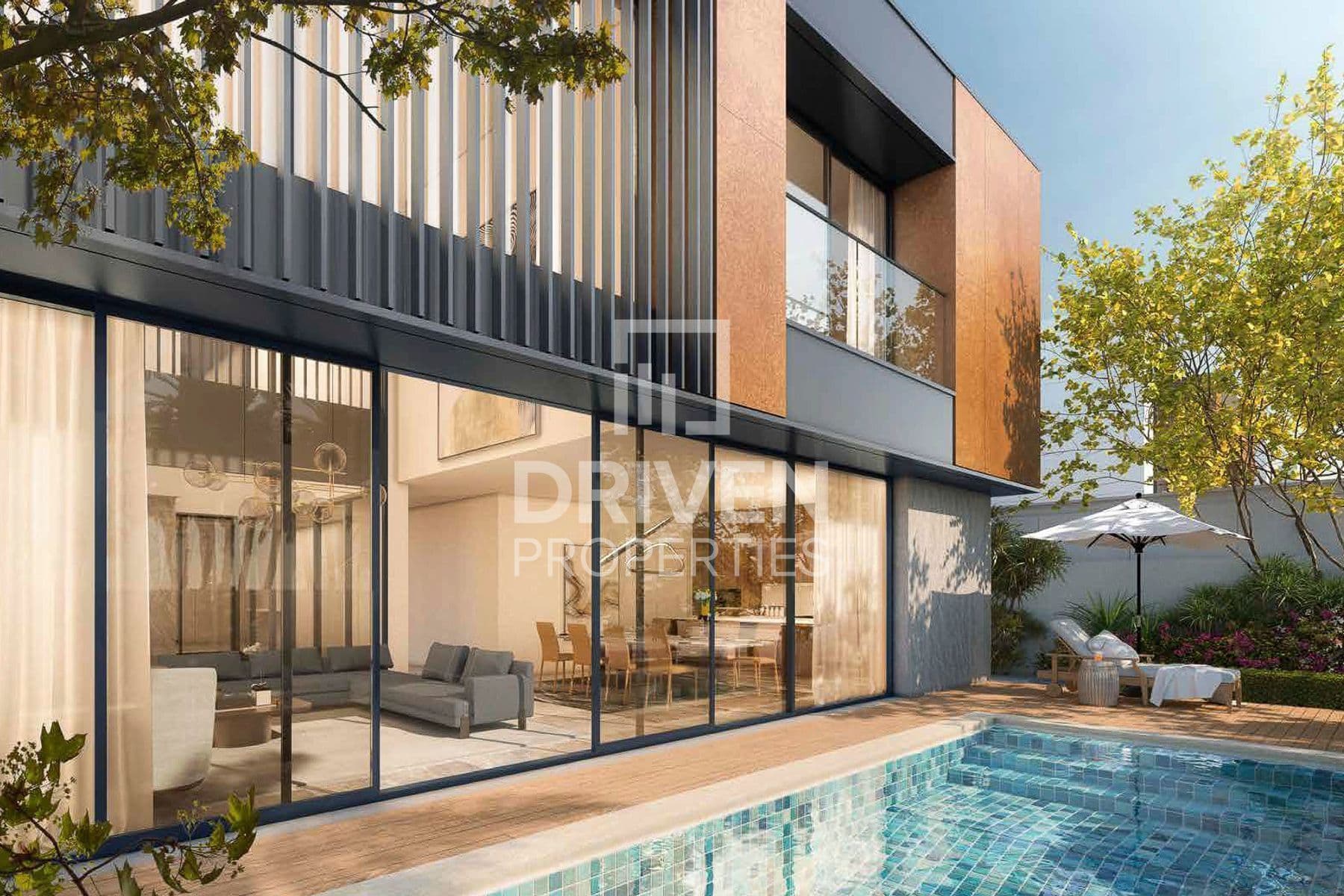
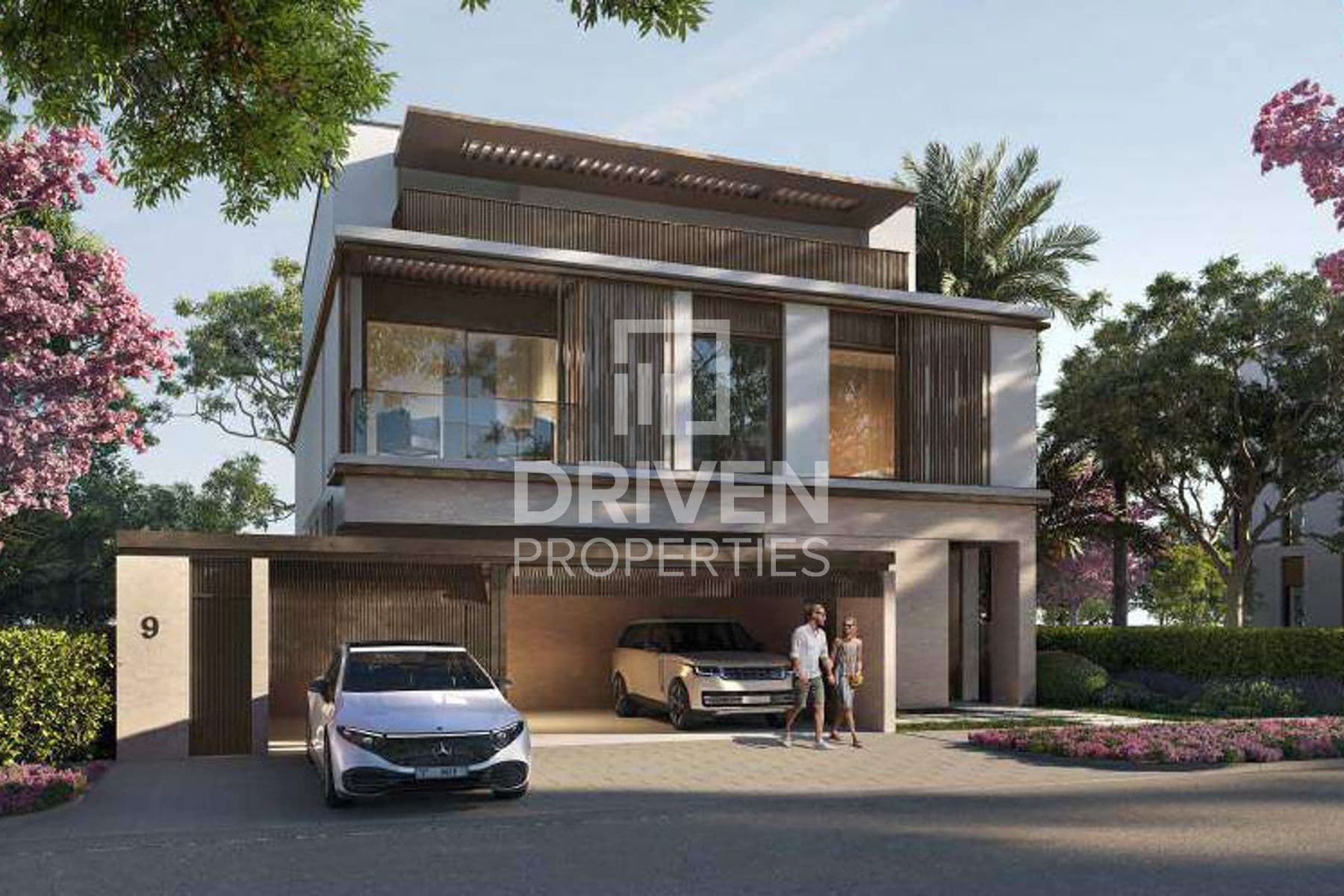
3. Premium standalone villas (4–6 bedrooms)
These come with larger plots, bigger formal areas, and higher finishing specs. You also see more storage, more balconies, and more space between neighboring homes.
4. Waterfront and coastal villas
These sit near beaches, lagoons, canals, or mangroves. Buyers pay for view, access, and lifestyle. Also, resale demand stays strong in prime waterfront zones.
5. Custom and semi-custom villas
Some communities allow wider customization. Others offer semi-custom choices during purchase. This suits buyers who want a distinct design, not a standard layout.
6. Off-plan villas
You buy before completion. You pay by a plan. You target price growth across construction. This option suits buyers with patience and a clear handover strategy.
When you compare types, keep one technique in mind: “use-case mapping.” List your daily needs first. Then match the villa type to those needs. Do not start with photos. Start with a function.
Popular Areas for Villas in Abu Dhabi
Location decides lifestyle, rent demand, and resale strength. So you should not choose a villa first. You should choose a community first, then choose the unit inside it.
Here are widely searched villa zones, with simple positioning:
Saadiyat Island
This area targets premium living, cultural assets, and beach access. It draws end users, executives, and higher-budget buyers. Also, it holds a strong brand reputation.
Yas Island
Yas offers entertainment access, family-friendly master planning, and a strong community feel in many pockets. It can fit both end use and investment, depending on the project.
Al Raha Beach and nearby districts
This zone supports waterfront life plus highway access. It connects well for commuters. It also supports tenant demand from professionals.
Khalifa City
This location stays popular for families who want space and a more classic residential setting. It also offers a broad range of villa sizes.
Al Reef
Many buyers start here due to pricing access. It attracts first-time villa buyers and budget-aware investors. It can work well if you pick the right sub-community.
Al Mushrif and older established areas
These areas carry a mature neighborhood feel. Inventory can feel limited. Yet quality units can hold demand due to location value.
Hudayriat and emerging coastal zones
Some new development zones attract lifestyle buyers. However, you should confirm handover schedules, access roads, and nearby services before you commit.
To narrow it down, use this process:
- First, set your commute tolerance to Dubai in minutes, not in “it is fine.”
- Next, choose two “non-negotiables” (school distance, beach access, plot size, or privacy).
- Then, pick three communities that meet them.
- After that, compare only within those three.
This keeps the search clean. Also, it reduces decision fatigue.
Villa Prices in Abu Dhabi
Prices shift by island vs mainland, waterfront vs inland, new vs mature, and ready vs off-plan. So you should avoid “average price” thinking when you plan your budget. Instead, build a price band around your target communities and your target villa type.
Below is a practical reference table you can use while shortlisting. It shows broad price brackets, not a promise. Still, it helps you align expectations.
Villa Category | Common Bedroom Range | Where You Often See It | Current Price Range (AED) |
Entry cluster villas/townhouses | 2–4 | Mid-market master plans | ~1,950,000 – 3,200,000 AED |
Standard family standalone villas | 3–5 | Mainland family districts | ~2,620,000 – 6,000,000+ AED |
Premium standalone villas | 4–6 | Prime community pockets | ~5,800,000 – 15,000,000+ AED* |
Waterfront / signature villas | 4–7 | Island and coastal zones | ~7,100,000 – 30,000,000+ AED* |
Now, add a supporting check. Buyers often miss the full cost picture. Use a “total ownership cost” lens:
- Purchase price
- Registration and admin costs
- Mortgage arrangement fees, if any
- Service fees, if the community applies them
- Maintenance reserve for the first 24 months
- Upgrade budget for kitchen, flooring, landscaping, if needed
Also, keep negotiation logic clear. Sellers respond to certainty. So, if you have finance readiness, document it. Then offer with timelines. This can protect your final price more than a small back-and-forth.
Buying a Villa for Living vs Investment
This is where many buyers lose clarity. They mix emotional and financial goals. Then they buy a home that does neither well. Instead, split the decision early.
If you buy for living
You should prioritize function, not headlines. Focus on:
- School routes and daily travel time
- Noise levels and road exposure
- Plot usability, not plot size only
- Floor plan efficiency and storage
- Community rules on renovations and extensions
- Sun direction, parking angle, and garden privacy
Also, run the “two-week test.” Imagine two normal workweeks, not weekends. Picture school runs, groceries, traffic, and home maintenance. If the plan still works, you are close.
If you buy for investment
Treat the villa like a small business unit. You want rent strength, tenant profile, and resale liquidity.
Use these investor techniques:
- Comparable rent stacking: compare 5 similar units, not 1 listing
- Vacancy buffer rule: plan for a gap period in flow.
- Exit audience check: confirm who buys it after you (families, executives, locals, global buyers)
- Rent-to-price reality: avoid paying for features that tenants will not fund
Also, decide your hold period upfront. A 2–3 year plan pushes you toward areas with faster resale activity. A 7–10 year plan can support lifestyle zones with slower transaction speed yet strong long-term demand.
If you want both
Many Dubai-based buyers want a hybrid plan. They buy now. They rent first. Then they move later. This can work. Yet you must choose a property that suits tenants and also suits your future family setup. That means neutral layouts, good community rules, and easy access to daily services.
Abu Dhabi Villa Market Outlook 2026
In 2026, villa demand should stay connected to family growth, relocation flows, and lifestyle preference shifts. Buyers keep choosing more space. They keep choosing communities with clear planning. Also, premium coastal living stays attractive for high-budget buyers.
Still, you should not treat the market as “one direction only.” You should track:
- New handovers that expand supply in certain districts
- Developer payment plans in off-plan segments
- Mortgage conditions and how they affect end-user buying power
- Tenant demand patterns by community, not by city
Here is a practical outlook view for 2026:
1. End-user demand should stay active
Families still want villas. Many apartment owners also want an upgrade path. So, demand can stay present if pricing stays realistic.
2. Community differentiation will widen
Strong communities with schools, retail access, and managed services can win more attention. Meanwhile, weaker pockets may see slower sales velocity.
3. Quality and layout will drive resale more than “new”
Buyers now ask sharper questions. They check build quality. They check room sizes. They check parking. They check privacy. So a well-designed older villa can beat a newer yet cramped one.
4. Off-plan can stay attractive, yet needs discipline
Payment plans look appealing. Yet you must verify developer track record, handover structure, and contract terms. Also, you must plan your cash flow across the construction period.
If you want a stable approach, use the EBBA flow when you decide:
- Engage: Start with your real goal and timeline.
- Bridge: Match that goal to a community, then to a product type.
- Build: Compare shortlists using costs, rent logic, and resale audience.
- Ask: Move to viewing, negotiation, and paperwork with a clear advisor on your side.
This keeps the purchase structured. It also reduces regret later.
Final Thoughts
If you want a villa plan that connects with Dubai life and still supports long-term comfort, Abu Dhabi deserves serious attention. The right community can protect your lifestyle, your cash flow, and your resale options, all at once. If you want help shortlisting, viewing, negotiating, and closing with clarity, we at Driven Properties can guide you through Villas for Sale in Abu Dhabi and match you with options that suit your budget, timeline, and ownership goals.
Frequently Asked Questions:
1. Are villas in Abu Dhabi freehold?
Some zones allow freehold ownership. Others use leasehold structures. Always confirm the ownership type for the exact project before you pay any deposit.
2. Can foreigners buy villas in Abu Dhabi?
Yes, foreigners can buy in designated investment zones. Rules vary by area and project. Confirm eligibility and title structure during the first document review.
3. What is the average price of villas in Abu Dhabi?
Prices vary by island, waterfront access, and size. Many family villas fall in mid-million AED bands, while premium and waterfront villas move into higher brackets.
4. Which area is best for buying a villa?
It depends on your use case. Saadiyat and Yas fit the lifestyle demand. Khalifa City fits family space needs. Al Reef fits the budget entry. Pick based on commute and services.
5. Are there waterfront villas available?
Yes. Several coastal and island communities offer waterfront or near-water villas. Confirm view permanence, access rights, and community rules before you commit.
6. Is Abu Dhabi good for long-term investment?
It can be if you choose strong communities and realistic pricing. Focus on tenant stability, school access, and resale audience. These drivers support long-hold performance.